
医疗绿碳指数

Search documents
从诊室到“碳汇林”,医疗自愿碳中和的三明样本|ESG热搜榜
2 1 Shi Ji Jing Ji Bao Dao· 2026-02-15 00:51
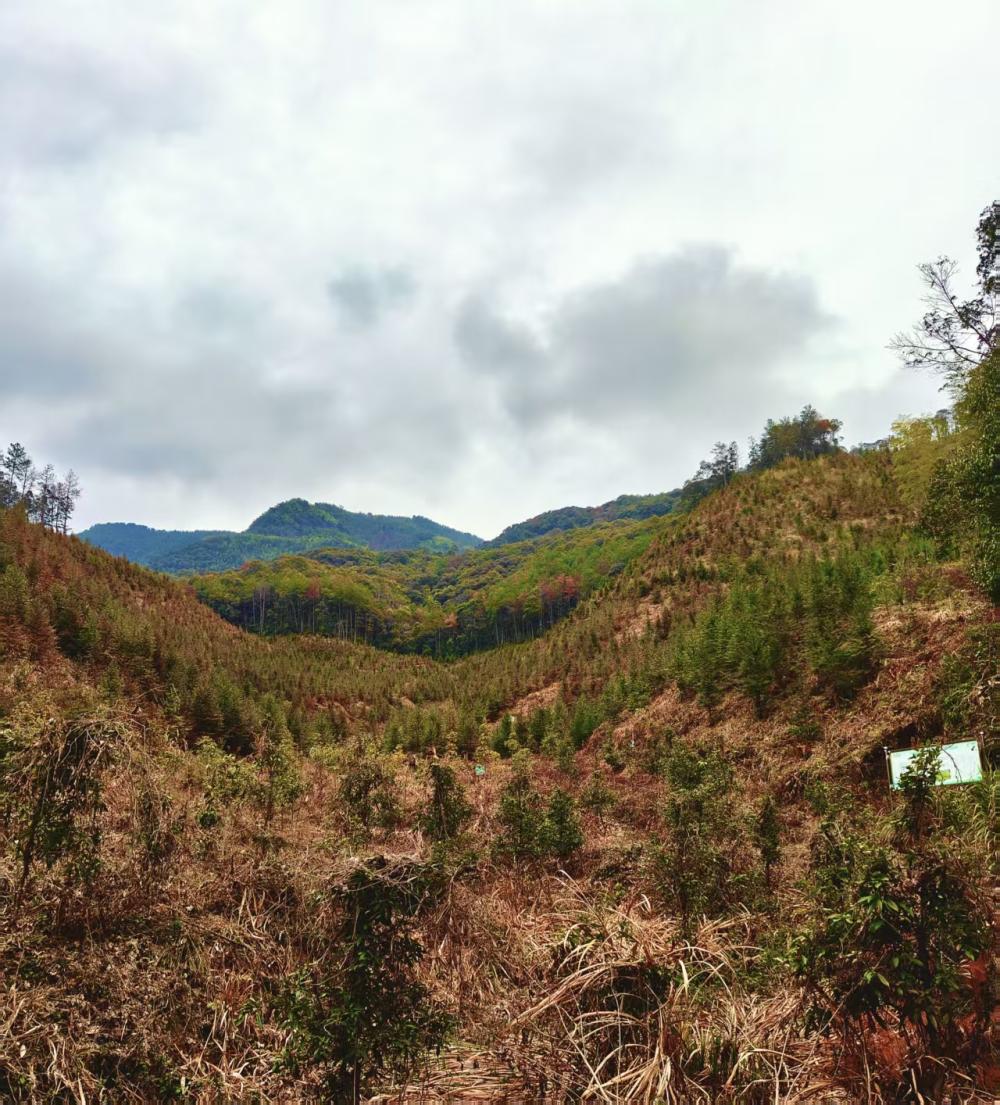
Core Insights - The medical industry is increasingly addressing carbon emissions as part of ESG (Environmental, Social, and Governance) initiatives, with 52 pharmaceutical and biotech companies in A-shares required to disclose their annual carbon emissions in the coming months [1][6] - A unique carbon neutrality practice is taking place in Changkou Village, Sanming City, where a 148-acre medical carbon sink demonstration forest is being developed, involving contributions from various medical teams [1][8] Group 1: Medical Carbon Emissions and Initiatives - The medical voluntary carbon neutrality action allows patients to offset their carbon emissions from medical treatments by participating in tree planting and other green activities [3][4] - The average carbon emissions for hospitalized patients are approximately 100 kilograms of CO2, requiring the planting of three trees to offset this amount [4] - Major sources of carbon emissions in the medical sector include the use of surgical instruments, consumption of medical supplies, transportation, and food consumption [4][6] Group 2: Carbon Sink Forest and Its Impact - The 148-acre medical carbon sink forest has an annual carbon absorption capacity of 74 tons, with contributions from various medical teams across China and international volunteers [8] - The project aims to create a new application scenario for forestry carbon sinks, leveraging Sanming's advantages in carbon trading and ecological product value realization [7][8] - The initiative is expected to integrate ecological education and health care, creating a comprehensive carbon sink complex in collaboration with medical institutions and schools [8]

从诊室到“碳汇林”,医疗自愿碳中和的三明样本
2 1 Shi Ji Jing Ji Bao Dao· 2026-02-15 00:33
Group 1 - The medical industry is increasingly addressing carbon emissions as part of ESG initiatives, with 52 pharmaceutical and biotech companies in A-shares required to disclose their annual carbon emissions within two months [1] - A medical carbon sink demonstration forest covering 148 acres has been established in Changkou Village, Sanming City, which is recognized as the first "carbon ticket" village in China [1][8] - The average carbon emissions for a hospitalized patient is approximately 100 kilograms of CO2, necessitating the planting of three trees to offset this amount [4] Group 2 - The "voluntary carbon neutrality action" in Sanming combines healthcare and carbon sinks, allowing patients to offset their carbon emissions through tree planting and other green actions [3][4] - The carbon emissions from the medical industry are significant, arising from the use of surgical instruments, medical supplies, transportation, and food consumption during patient care [4] - The "medical green carbon index" concept has been proposed to quantify the effectiveness of integrating healthcare with green carbon initiatives by comparing annual carbon sink volumes with total carbon emissions from medical processes [5][6] Group 3 - The 148-acre medical carbon sink forest has an annual carbon sink capacity of 74 tons, with contributions from 26 medical teams and international volunteers [8] - The project aims to create a traceable and verifiable carbon neutrality mechanism, allowing patients to donate carbon sinks through a mini-program, which will be recorded as a "carbon benefit banner" to express gratitude to doctors [7][8] - Sanming City, known for its high forest coverage rate of 77.12%, is leveraging its dual pilot programs in medical and forestry reforms to provide a scientific measurement and authoritative verification platform for national medical carbon neutrality actions [7][8]