医美消费价值回归

Search documents
新氧与普丽妍对峙升级 谁的童颜针定价权?
Bei Jing Shang Bao· 2025-12-11 01:30
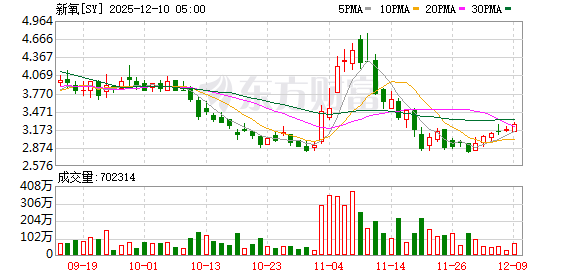
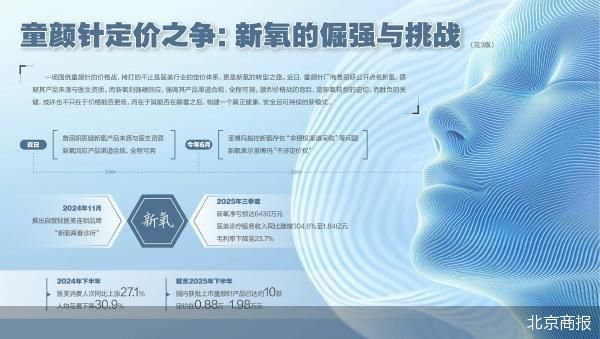
Core Viewpoint - The price war surrounding "童颜针" (youthful needle) is not only challenging the pricing system of the medical beauty industry but also testing the transformation path of the company, 新氧 (Xinyang) [1] Group 1: Price War and Market Dynamics - 新氧 has significantly reduced the price of "童颜针" from tens of thousands to 2999 yuan, aiming to gain pricing autonomy through its "奇迹童颜" series and the new "塑缇妍" product [1][8] - The conflict escalated as the manufacturer, 普丽妍, publicly named 新氧's clinics as "non-official partners," questioning their product sources and doctor qualifications [3][4] - The price reduction strategy has raised concerns about the sustainability of the medical beauty industry's profit distribution and the traditional agency model [4][5] Group 2: Transformation Challenges - 新氧's transition from a platform to a direct participant in the industry has led to conflicts with previously partnered medical institutions, resulting in a significant decline in its platform service revenue [11][12] - The company's aggressive expansion into self-operated clinics has resulted in increased costs and operational challenges, with a reported net loss of 64.3 million yuan in the third quarter [12][13] - Despite the challenges, the self-operated business is seen as a key driver for future growth, with a 304.6% year-on-year increase in medical treatment service revenue [12] Group 3: Pricing Strategy and Cost Structure - The drastic price reduction of 70% for "童颜针" is not solely based on cost but is a strategic market move to disrupt the high-price perception in the industry [5][6] - 新氧's lower pricing is attributed to its ability to bypass traditional distribution layers and its strategy of low-margin, high-volume sales [6][7] - The company claims that its pricing reflects a trend towards "value return" in medical beauty consumption, with a 27.1% increase in consumer visits but a 30.9% decrease in average spending [7] Group 4: Regulatory and Compliance Issues - 新氧 has faced multiple regulatory challenges, including fines for non-compliance with national standards and advertising laws [13][14] - The company acknowledges the importance of addressing consumer complaints and emphasizes that its low-cost model does not compromise regulatory compliance [14]


新氧对峙普丽妍 谁的童颜针定价权
Bei Jing Shang Bao· 2025-12-10 15:44
Core Viewpoint - The price war surrounding the "youthful needle" is not only challenging the pricing system of the medical beauty industry but also testing the transformation path of the company, New Oxygen [1] Group 1: Price War and Market Dynamics - New Oxygen has significantly reduced the price of the "youthful needle" from tens of thousands to 2999 yuan, aiming to gain pricing autonomy through differentiation and collaboration with West Hong Biological [1][7] - The conflict escalated when the manufacturer, Puli Yan, publicly named New Oxygen's clinics as "non-official partners," questioning the legitimacy of their product sources and medical qualifications [2] - The price war reflects a challenge to the long-standing profit distribution system in the medical beauty industry, as New Oxygen's pricing strategy disrupts traditional agency rules [3] Group 2: Transformation Challenges - New Oxygen is transitioning from a platform-based model to a direct participant in the industry, facing backlash from previously cooperative medical institutions that now view it as a competitor [10] - The company's core platform revenue has been declining, with a 19.3% year-on-year drop in information and appointment service revenue in 2024 [10] - Despite the challenges, New Oxygen's offline medical beauty service revenue surged by 304.6% year-on-year, becoming its largest income source [11] Group 3: Cost Structure and Profitability - New Oxygen's low pricing strategy is attributed to its scale advantages and a thin profit margin approach, with a reported gross margin of only 23.7% in the third quarter [5][11] - The company is focusing on cost optimization through various strategies, including supply chain integration and digital tools, to improve operational efficiency [11] - The medical beauty industry has high gross margins, often around 90%, indicating that New Oxygen's pricing strategy may be unsustainable in the long term [5] Group 4: Regulatory and Compliance Issues - New Oxygen has faced multiple regulatory challenges, including fines for non-compliance with national standards and advertising laws [12] - The company acknowledges the importance of addressing customer complaints and regulatory feedback as part of its service optimization strategy [12] - The sustainability of New Oxygen's low-price model hinges on building a robust framework based on medical safety and compliance trust [12]
新氧对峙普丽妍,谁的童颜针定价权
Bei Jing Shang Bao· 2025-12-10 09:42
Core Viewpoint - The price war surrounding "童颜针" (Youthful Needle) is not only challenging the pricing system of the medical beauty industry but also testing the transformation path of So-Young, which is attempting to regain pricing autonomy through aggressive pricing strategies and self-built clinics [2][15]. Group 1: Price War and Market Dynamics - The recent conflict escalated when the manufacturer, 普丽妍, publicly named 79 "non-official cooperative medical institutions," including 46 So-Young clinics, questioning their product sources and doctor qualifications [3][5]. - So-Young has significantly reduced the price of "童颜针" from over 10,000 RMB to 2,999 RMB, aiming to establish its pricing power through the launch of customized products in collaboration with 西宏生物 [2][10]. - The price reduction of approximately 70% is seen as a challenge to the traditional profit distribution model in the medical beauty industry, where high prices were previously justified by perceived quality [6][7]. Group 2: Transformation Challenges - So-Young's transition from a platform to a direct participant in the medical beauty industry has led to conflicts with traditional partners, resulting in a significant decline in its platform service revenue, which dropped by 34.5% year-on-year [15][16]. - The company's aggressive expansion into self-operated clinics has resulted in increased operational costs, with a reported 333.2% rise in medical treatment service costs [16][18]. - Despite the challenges, So-Young's medical treatment service revenue surged by 304.6% year-on-year, indicating potential for growth in its new business model [17]. Group 3: Financial Performance and Cost Structure - So-Young's gross profit margin for medical treatment services was reported at 24.25% in Q3 2025, significantly lower than the industry average, indicating pressure on profitability [8][18]. - The company has faced continuous losses, with a net loss of 64.8 million RMB in Q3 2025, attributed to heavy investments in its offline expansion strategy [16][17]. - The overall revenue for So-Young in Q3 2025 was 386.67 million RMB, with aesthetic treatment services contributing significantly to this figure [17]. Group 4: Regulatory and Compliance Issues - So-Young has encountered regulatory scrutiny, with multiple complaints regarding service quality and compliance issues, including fines for not adhering to national standards [18][19]. - The company emphasizes that its low pricing strategy does not compromise medical quality and is committed to addressing feedback from third-party platforms to improve service [18][20].