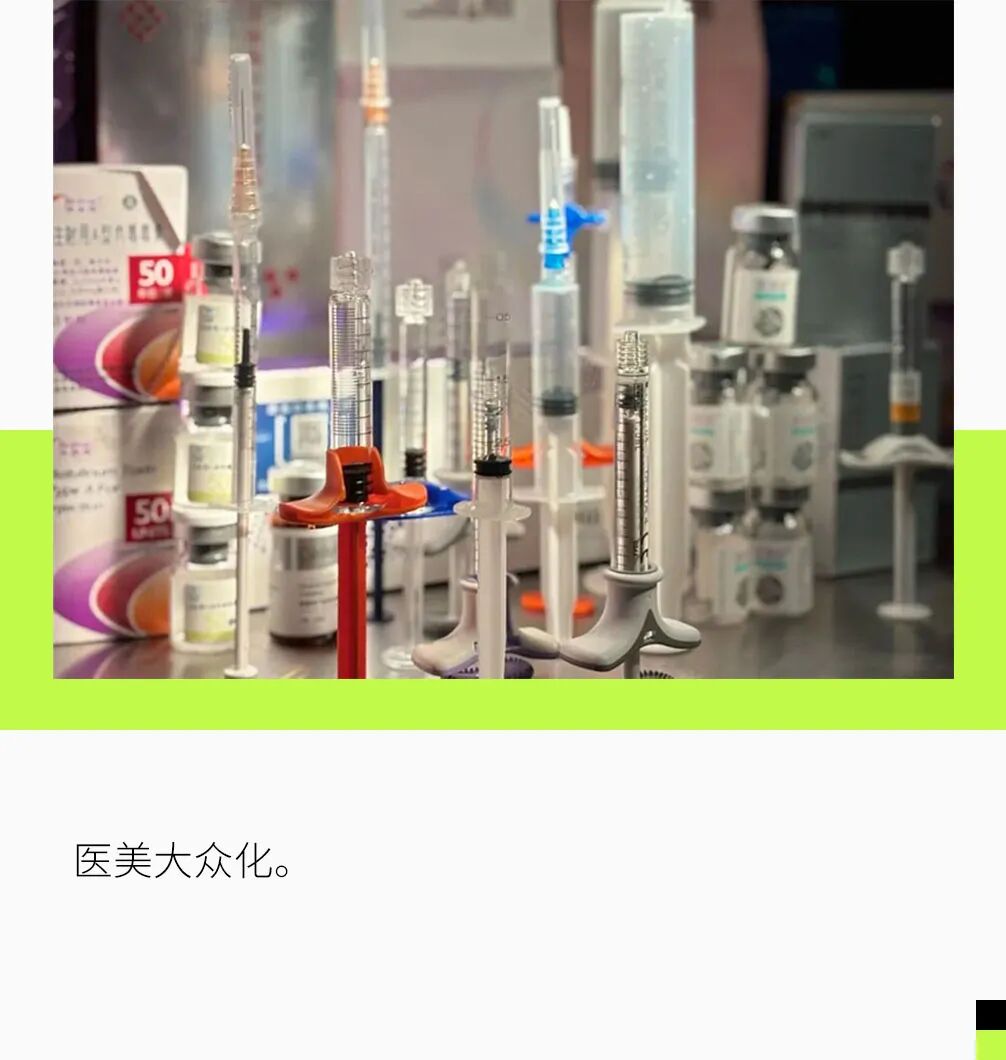
医美行业合规化

Search documents
医美纳入CPI,行业合规化脚步加快!
Xin Lang Cai Jing· 2026-02-27 10:42
Core Insights - The inclusion of "medical beauty services" in the CPI marks a significant shift for the industry, transitioning from a niche service to a recognized component of the national economic monitoring system [3][19] - The implementation of the new VAT regulations explicitly excludes profit-driven medical beauty institutions from tax exemptions, reinforcing their classification as commercial services and eliminating tax arbitrage opportunities [3][19] - These dual policy adjustments signify a transition from "wild growth" to "regulated development," fundamentally restructuring the competitive landscape and development logic of the medical beauty industry [3][19] Market Dynamics - The medical beauty market is experiencing "differentiated growth," with leading chain institutions achieving growth through refined operations, while smaller institutions face significant operational pressures [5][21] - In the first half of 2025, over 63% of medical beauty institutions reported revenue declines, with only 14% achieving growth; Q2 was particularly challenging, with 58% of institutions experiencing declines [5][21] - The average customer spending in the medical beauty industry dropped to 6,500 yuan, a 10% decrease year-on-year, while the frequency of consumer visits increased, indicating a trend towards more conservative spending among middle and high-income consumers [5][21] Consumer Trends - The trend of "popularization and down-market penetration" is becoming increasingly evident, with lower-tier cities emerging as new growth engines for the industry [6][22] - By 2025, the proportion of medical beauty institutions in third-tier cities and below increased from 30% in 2022 to 42%, with overall consumption growth reaching 22%, double that of first-tier cities [6][22] - Non-surgical light medical beauty projects have become the mainstream, accounting for over 53% of the market, with a market size of 227.9 to 258 billion yuan, driving industry growth [6][22] Regulatory Environment - The simultaneous implementation of the CPI inclusion and new VAT regulations represents a policy "one-two punch" for the regulated development of the medical beauty industry, establishing its commercial consumption attributes [8][24] - This regulatory shift has eliminated the "gray area" label that has long plagued the industry, with the CPI now monitoring price fluctuations and consumption scale as part of national economic management [9][25] - The combination of these policies is transforming the identity of the medical beauty industry from "marginal service" to "mainstream consumption," laying the groundwork for its regulated development [10][26] Competitive Landscape - The regulatory changes are leading to a "good money driving out bad money" scenario, where compliant institutions benefit from favorable conditions while non-compliant ones face significant operational challenges [11][27] - Over 18,000 non-compliant institutions were shut down in 2025, and more than 320 violators had their licenses revoked, indicating the effectiveness of ongoing regulatory measures [11][27] - The market is shifting from a seller's market to a buyer's market, with price wars becoming a primary strategy for smaller institutions competing for customers [6][22] Industry Evolution - The medical beauty industry is transitioning from an upstream-dominated model to one focused on terminal capabilities, with an emphasis on differentiation and scale as core competitive advantages [12][28] - Upstream companies are shifting their focus from licensing to product innovation, as competition intensifies and profit margins normalize [13][29] - The entry of public hospitals into the medical beauty sector is becoming a new variable, with a significant increase in the number of public hospitals establishing medical beauty departments [14][30] Consumer Behavior - Consumers are becoming more rational, shifting from a focus on appearance changes to daily anti-aging maintenance, with increased demands for product safety and institutional compliance [15][31] - This rationalization is driving industry upgrades, as institutions move towards standardized solutions that combine products, medical expertise, and post-operative management [15][31] - The transparency of industry information is improving, allowing consumers to compare the overall value of different institutions, which is pushing prices towards greater fairness [15][31]

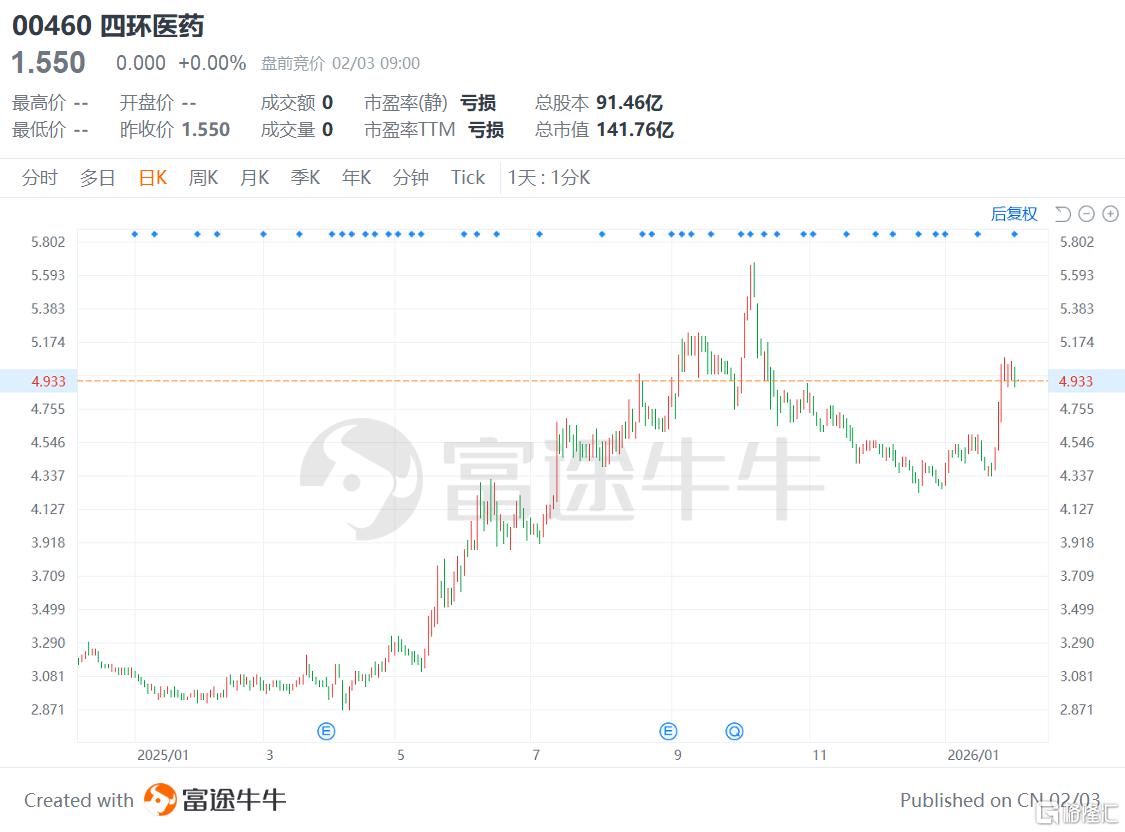
逆势高增领跑行业,四环医药(0460.HK)为何能够锚定中国医美头部地位?
Ge Long Hui· 2026-02-03 01:20
Core Viewpoint - Recently, the new specifications of the polylactic acid facial filler (commonly known as "youthful needle") developed by Sihuan Pharmaceutical's Meiyan Space have been officially approved by the National Medical Products Administration, further enriching the aesthetic medicine product pipeline [1] Group 1: Company Strengths - Sihuan Pharmaceutical is positioned as a leading player in China's aesthetic medicine industry, leveraging a comprehensive product matrix to create a competitive barrier, a robust channel network to solidify market foundations, and a revenue scale that outpaces the industry [1][10] - The company has established a full-category product layout, being the first in the industry to cover five core categories, thus creating a strong product barrier [4] - The company has a nationwide coverage of nearly 8,000 aesthetic medicine institutions and has established deep partnerships with over 230 leading groups and regional core institutions, showcasing a resilient "direct + agency" channel model [5] Group 2: Financial Performance - In the first half of 2025, Sihuan Pharmaceutical's aesthetic medicine business achieved revenue of 580 million yuan, representing a year-on-year growth of 81.3%, demonstrating its leading position in the industry [7][13] - The company has completed 35 dividend distributions since its listing, with a total dividend amount exceeding 7.8 billion yuan, alongside nearly 3.9 billion yuan in cash reserves, indicating a favorable low valuation, high growth, and high dividend profile [13] Group 3: Research and Development - Sihuan Pharmaceutical is increasing its investment in R&D within the aesthetic medicine sector, with plans to launch three significant Class III medical devices in 2025, including the youthful needle and the girl needle, which are expected to support future revenue growth [8] Group 4: Brand and Compliance - The company adheres to GMP standards in product development and production, enhancing its brand's academic attributes through hosting academic conferences and training for doctors, thereby strengthening its professional brand image [9]