匿名社交

Search documents
Fizz CEO解析匿名社交如何俘获Z世代用户
Sou Hu Cai Jing· 2026-01-05 11:33
Core Insights - Fizz is betting that Generation Z is tired of performative life displays on Instagram and TikTok, focusing instead on authentic experiences that do not appear in highlight reels [2] - The platform has become the dominant social media application on U.S. college campuses, emphasizing real life over curated content [2] - Fizz's unique combination of 7,000 volunteer student moderators and generative AI ensures platform safety and content management [3] Company Overview - Fizz is described as the largest college social application since Facebook, utilizing a hybrid anonymous model and hyper-local focus [3] - The company is planning to expand beyond the college market with a "Global Fizz" initiative, aiming to reach a broader user base [2] User Behavior - Generation Z users prefer anonymous social platforms due to their desire for authenticity and localized connections, moving away from the curated content typical of traditional social media [4]


匿名社交浪潮下的舆情挑战:企业管控策略升级指南
Sou Hu Cai Jing· 2025-10-15 14:32
Core Insights - The rise of anonymous social platforms presents both opportunities for user expression and challenges for corporate reputation management [1][3] - Companies must adapt their public opinion management strategies to be more proactive and flexible in response to the risks posed by anonymous interactions [3] Group 1: The Double-Edged Sword of Anonymous Social Media - The core feature of anonymous social media is "de-identification," allowing users to express genuine emotions without social pressure, which can amplify negative information dissemination [1] - Negative feedback from a single anonymous user can quickly escalate into widespread brand skepticism, potentially leading to a brand crisis [1] - The difficulty in tracing information on anonymous platforms increases the cost of debunking rumors and false information [1] Group 2: Three Major Pain Points in Corporate Public Opinion Management - Traditional monitoring tools are often ineffective due to reliance on keyword detection, failing to capture new forms of expression like metaphors and memes [4] - Companies that only issue post-incident statements risk entering a cycle of "explanation-questioning-re-explanation," which can erode public trust [4] - Some companies still resort to heavy-handed tactics like deleting posts or banning users, which may exacerbate issues and lead to further dissemination of negative sentiment [4] Group 3: Upgrading Strategies from Passive to Proactive - Public opinion management has evolved from a technical issue to a strategic one, requiring companies to foster open dialogue with users rather than attempting to control the narrative [3] - Implementing AI-driven semantic analysis can help identify potential risks in anonymous content by understanding context and sentiment [5] - Establishing a tiered response mechanism allows companies to tailor their responses based on the severity of the public sentiment, ensuring timely and appropriate action [5] - Companies should create a resilient brand ecosystem by engaging with users on anonymous platforms and producing quality content to build trust, which can serve as a buffer during crises [5]

匿名社交,为何总活不过三年?
虎嗅APP· 2025-09-01 01:23
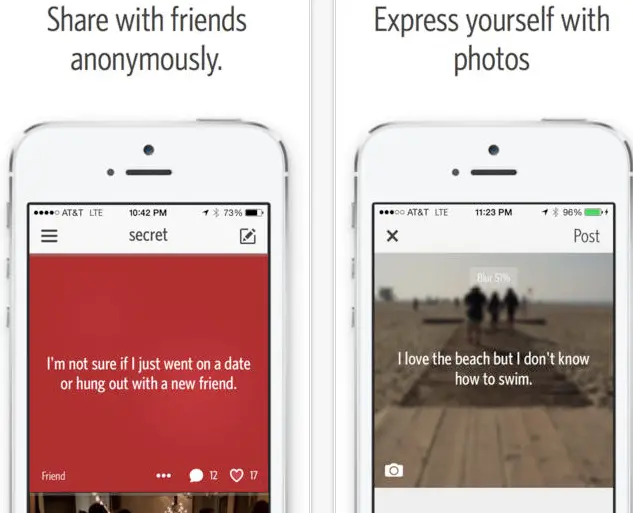
Core Viewpoint - The article discusses the challenges and failures of anonymous social apps in North America, highlighting that no major player has emerged in this space despite numerous attempts over the past decade [4][5]. Summary by Sections History and Evolution - Anonymous social apps have a history dating back to 2012, with early examples like Whisper and Secret gaining significant traction but ultimately failing to sustain long-term success [5][6]. - The market has seen a segmentation into smaller communities based on geographic location, entertainment-focused interactions, and anonymous sub-sections within mainstream social media [6]. User Dynamics and Challenges - The primary user base for these apps is Generation Z, who exhibit high levels of expression but also face issues like cyberbullying and privacy concerns [13][14]. - Despite a strong desire for privacy, users often encounter data leaks, as evidenced by multiple incidents involving sensitive information being exposed [15][17]. Commercial Viability - The monetization of anonymous social apps remains a significant challenge, with many relying on subscription models or virtual gifts, which limits revenue diversification [6][22]. - Successful apps like NGL have found ways to capitalize on impulsive consumer behavior, achieving substantial user engagement and revenue despite the overall market chaos [39][40]. Market Trends and Future Opportunities - The article suggests that the chaotic landscape of anonymous social apps presents both challenges and opportunities, with potential for innovation through AI and more targeted user engagement strategies [43][44]. - The need for a balance between user safety and freedom of expression is emphasized as a critical factor for the future of anonymous social platforms [42].

匿名社交,为何总活不过三年?
Hu Xiu· 2025-08-28 11:48
Core Insights - The North American anonymous social media landscape lacks a dominant player despite its historical presence and potential [1][2][6] - The evolution of anonymous social apps has led to a more segmented market, with various approaches to user engagement and monetization [4][5][50] Industry Overview - Anonymous social apps like Whisper and Secret emerged in the early 2010s, gaining significant traction but ultimately facing challenges such as user safety and monetization [2][6][31] - The appeal of anonymous social platforms lies in their ability to provide a space for users to express sensitive topics without fear of judgment [3][11][14] User Demographics and Behavior - The primary user base for these platforms is Generation Z, who exhibit high levels of engagement and expression but also face risks of online bullying and harmful content [17][18][19] - Users desire privacy and security, often gravitating towards encrypted communication tools, yet still experience data breaches [19][20][22][25] Market Dynamics - The market for anonymous social apps has seen numerous failures, with many apps shutting down due to issues related to user behavior and monetization strategies [28][34][35][44] - Successful platforms like NGL have managed to thrive by leveraging impulsive consumer behavior and integrating with existing social media ecosystems [56][60][61] Future Trends - The ongoing evolution of anonymous social apps suggests a need for better balance between user freedom and content moderation to ensure safety and compliance [67][68] - The integration of AI technology may provide new opportunities for enhancing user experience and security within anonymous social platforms [69][70]