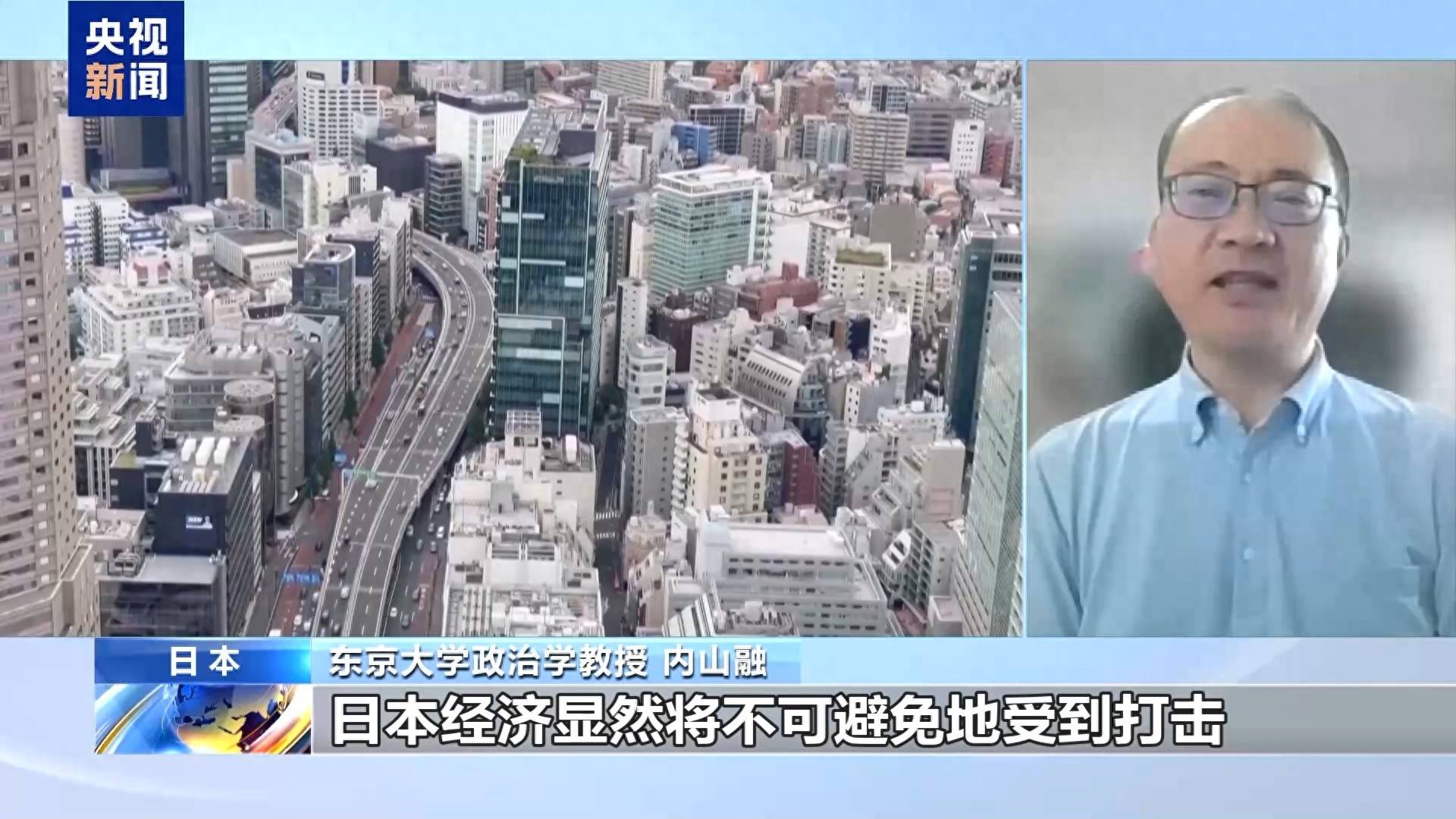
单边关税政策

Search documents
刚定下访华日程,24小时不到,特朗普王牌被废,中方发现了美国弱点
Sou Hu Cai Jing· 2026-02-27 04:33
Core Viewpoint - The article discusses the implications of a recent Supreme Court ruling that invalidated President Trump's use of the International Emergency Economic Powers Act to impose global tariffs, significantly impacting U.S.-China trade relations and Trump's negotiating power [1][3]. Group 1: U.S. Tariff Policy - The Supreme Court ruled that Trump's global tariff measures were unconstitutional, leading to the immediate cessation of these tariffs, which had generated over $160 billion in revenue [1][3]. - Following the ruling, Trump attempted to implement a new tariff policy under the Trade Act of 1974, imposing a 15% tariff on global imports, but this approach has significant limitations and requires Congressional approval for extension [3][5]. Group 2: U.S.-China Relations - The U.S. government's inability to maintain unilateral tariff measures exposes weaknesses in its internal power structure, limiting Trump's ability to exert pressure on China [5][7]. - The upcoming visit to China is driven by urgent U.S. economic needs, including agricultural exports and maintaining confidence in U.S. debt, indicating a shift towards a more cooperative dialogue with China [5][7]. Group 3: Global Trade Dynamics - The failure of unilateral tariff policies highlights the importance of mutual respect and equal negotiation in international trade, suggesting that reliance on power dynamics is ineffective [7]. - The internal turmoil within the U.S. government serves as a reminder of the fragility of global trade order and the need for stable governance and a strong economy to support international standing [7].

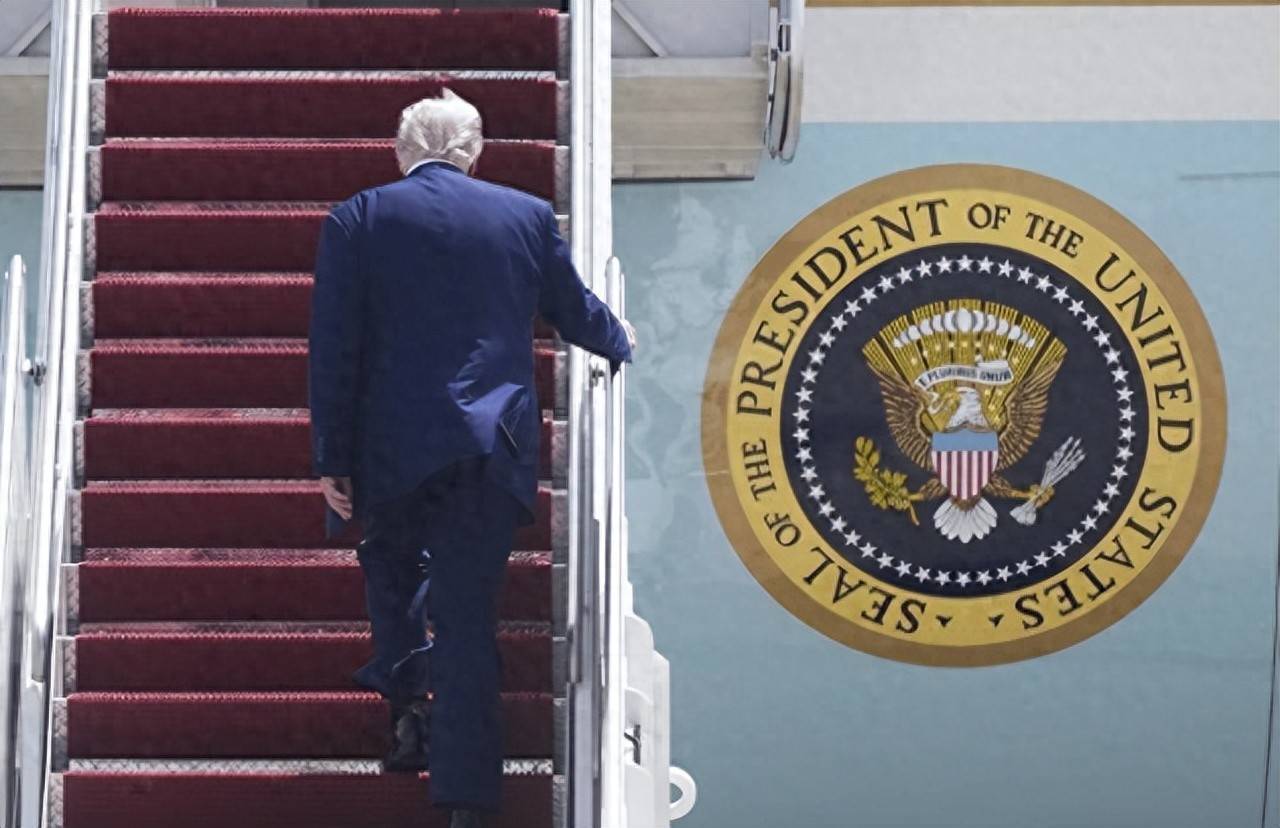
日本专家:美国滥施关税将给全球经济带来风险
Sou Hu Cai Jing· 2025-08-07 23:51
Core Viewpoint - The new round of tariff agreements between the US and Japan, effective from August 7, poses a significant threat to global economic development and violates international trade rules [1][3][5] Group 1: Economic Impact - Japan's economy is expected to face unavoidable damage due to the US's unilateral tariff policies, particularly affecting small and medium-sized enterprises [2][3] - The so-called "reciprocal tariffs" imposed by the US are viewed as a severe infringement on the interests of trade partners and could lead to negative employment impacts in Japan [2][3] Group 2: Violation of Trade Rules - The unilateral actions taken by the US are considered a serious violation of the basic principles of the World Trade Organization, potentially undermining global trade order [3][5] - The imposition of these tariffs is likely to result in a slowdown of global economic growth, affecting not only Japan but also other countries [3][5] Group 3: Long-term Consequences - The unilateral tariff measures may exacerbate dissatisfaction among other countries towards the US, which could have adverse long-term effects on the US economy itself [5]