新能源产品

Search documents
东吴证券晨会纪要2026-03-31-20260331
Soochow Securities· 2026-03-30 23:47
Macro Strategy - The market style may adjust based on the supply-demand pattern brought by the oil price central [1] - The ongoing conflict between the US and Iran has not shown effective signs of easing, maintaining high volatility in global assets, with US stocks declining and oil prices remaining elevated [1] - Analysts have significantly raised the Q1 2026 US growth forecast while lowering the Q2 growth forecast, and have also increased inflation expectations for the coming quarters [1] Market Outlook - The macro monthly timing model for March 2026 scored -2, indicating a 30.77% probability of the A-share index rising in the following month, suggesting a potential adjustment in the A-share market [2] - The ETF fund flow data indicates a significant increase in innovative drug ETFs, suggesting heightened interest in the pharmaceutical sector, while broad-based ETFs have seen a decrease in scale [2] - The A-share market experienced increased volatility, heavily influenced by overseas events, with trading volume decreasing from 2.30 trillion yuan to 1.86 trillion yuan [2] Fiscal Policy - If the fiscal revenue and expenditure for 2026 are completed as budgeted, the year-on-year growth rate of physical broad fiscal expenditure is expected to reach its highest level in nearly four years, indicating significant fiscal stimulus [3][4] - The year-on-year growth rate of narrow fiscal expenditure is projected to be 4.6%, up from 3.7% the previous year, while the broad fiscal expenditure growth rate is expected to be 5.3%, an increase from 4.5% [4] Inflation Indicators - The PCE inflation indicator has recently shown a positive divergence from the CPI, with PCE growth expected to remain higher than CPI throughout the year, influenced by rising prices in computer components and declining housing inflation [5] - The ongoing divergence between PCE and CPI may pose a tail risk for the Federal Reserve's monetary policy, as PCE is the inflation measure referenced by the Taylor rule [5] Fixed Income Market - The domestic bond market has shown limited reaction to overseas conflicts and strong early-year economic performance, with the 10-year government bond yield experiencing slight fluctuations [6] - The market is currently characterized by a lack of clear long-term logic, with a consensus on the steepening of the yield curve and short-term rates supported by central bank liquidity [6] Company-Specific Insights - The solid waste sector is expected to see increased dividends and improved return on equity (ROE), with net profit forecasts for 2026-2027 adjusted upwards to 7.62 billion and 8.05 billion yuan respectively [9] - China National Materials is projected to maintain rapid growth in new orders, with net profit forecasts for 2026-2028 adjusted to 30.63 billion, 35.81 billion, and 41.96 billion yuan [10] - The jewelry brand Chaohongji is expected to see significant growth driven by product upgrades and rapid expansion of franchise channels, with net profit forecasts for 2026-2028 set at 6.7 billion, 8.1 billion, and 9.7 billion yuan [11] - Dongshan Precision is anticipated to benefit from dual drivers in optical modules and high-end PCBs, with revenue forecasts for 2025-2027 set at 417.42 billion, 720.62 billion, and 951.33 billion yuan [12]
辩证分析海外能源供给缺口对中国的影响
HTSC· 2026-03-30 05:35
Group 1: Impact of Middle East Conflict on China's Energy Supply - The direct impact of the Middle East conflict on China's energy supply is estimated to be around 4-5.4% of total energy consumption, which is significantly lower than that of Japan and South Korea[2] - Approximately 30% of China's crude oil imports in 2025 are expected to transit through the Strait of Hormuz, compared to 54% for Japan and 63% for South Korea[11] - China's energy consumption structure shows that oil and gas account for about 30% of total energy, which is lower than that of developed Asian countries[12] Group 2: Long-term Economic Implications - If energy shortages persist for an extended period, China's economy, despite its resilience, will still be affected[3] - A prolonged energy supply gap could depress global growth, negatively impacting China's external demand, with potential GDP growth reductions of 0.1-0.3 percentage points if oil prices rise to $80 per barrel[63] - Trade conditions may weaken, affecting corporate revenues and profit margins, as a significant portion of imported oil is used for processing and re-export[66] Group 3: Global Energy Transition and China's Competitive Advantage - The ongoing conflict may accelerate the global energy transition, potentially enhancing China's manufacturing advantages in the long term[4] - China's energy transition has shown positive trends, with renewable energy costs entering a downward cycle, which could further support export demand for "new three items"[4] - By 2024, China's oil refining capacity is expected to reach 18%, the highest globally, indicating a strong position in the energy market[53]
时代电气(03898) - 海外监管公告-毕马威华振会计师事务所(特殊普通合伙)出具的株洲中车时代电...
2026-03-27 11:39
茲 載 列 本 公 司 在 上 海 證 券 交 易 所 網 站 刊 登 之《畢 馬 威 華 振 會 計 師 事 務 所(特 殊 普 通 合 夥)出 具 的 株 洲 中 車 時 代 電 氣 股 份 有 限 公 司2025年 度 審 計 報 告》,僅 供 參 閱。 承董事會命 香港交易及結算所有限公司及香港聯合交易所有限公司對本公告的內容概不負責, 對 其 準 確 性 或 完 整 性 亦 不 作 任 何 聲 明,並 明 確 表 示 概 不 就 因 本 公 告 全 部 或 任 何 部 分內容而產生或因依賴該等內容而引致的任何損失承擔任何責任。 (於中華人民共和國註冊成立的股份有限公司) (股份代號:3898) 海外監管公告 本 公 告 乃 由 株 洲 中 車 時 代 電 氣 股 份 有 限 公 司(「本公司」)根 據 香 港 聯 合 交 易 所 有 限 公司證券上市規則第13.10B條而作出。 於本公告日期,本公司董事長兼執行董事為李東林;副董事長兼執行董事為尚敬; 其他執行董事為徐紹龍;獨立非執行董事為李開國、鍾寧樺、林兆豐及馮曉雲;以 及職工董事為陳志漫。 株洲中车时代电气股份有限公司 自 2025 年 1 月 ...

明泰铝业20260325
2026-03-26 13:20
Company and Industry Summary Company Overview - **Company**: 明泰铝业 (Mingtai Aluminum) - **Industry**: Aluminum manufacturing, focusing on automotive, robotics, and renewable energy sectors Key Points Capacity Expansion - **宏盛新材 (Hongsheng New Materials)**: 250,000 tons automotive board project first line has been put into production, with the second line expected to launch in June 2026; **亿瑞新材 (Yirui New Materials)**: 720,000 tons project set to start production in Q3 2026, contributing to a total capacity of 2.3 million tons [2][4] Product Structure Optimization - High-end capacity planning increased to 3 air cushion furnaces and 4 roller bottom furnaces, with high-end products expected to account for 40% by 2027; high-end product proportion anticipated to rise by 10% in 2026, targeting a profit of 1,300-1,400 RMB per ton [2][10] New Energy and Robotics Growth - Monthly production of new energy products expected to double to 20,000 tons; humanoid robots certified by domestic leaders, with approximately 60 kg of aluminum used per unit, contributing about 1,000 tons monthly [2][12] Competitive Advantage in Automotive Boards - Processing fees stable at 7,000-10,000 RMB per ton; entered supply chains of companies like Seres, Li Auto, and Xpeng; air cushion furnace production lines currently operating at full capacity, with monthly output of 4,000-5,000 tons [2][9] Export and Recycled Aluminum - Export ratio maintained at 21-22%, benefiting from the cancellation of tariffs in Canada and demand from Southeast Asia; annual recycled aluminum usage target of 1.4 million tons, leveraging low-carbon advantages to attract overseas orders [2][12] Financial Goals and Returns - Projected net profit of approximately 1.98 billion RMB in 2025, a year-on-year increase of about 13%; net profit CAGR expected to be no less than 15% over the next five years, with a target of 4 billion RMB by 2030; committed to a dividend payout ratio of no less than 30%, with expected dividend yield of about 3% from 2026 to 2028 [3][6][16] Market Development and Strategic Focus - Focus on high-end capacity construction and market expansion; new energy products identified as a major growth driver for 2026, with expected monthly output growth of 90-100% [3][6] Cost Control Measures - Implementation of a sorting center project expected to be completed by 2027; emphasis on smart transformation, including replacing fuel equipment with electric alternatives to achieve cost reductions of approximately 100 RMB per ton annually [14] Recycled Aluminum Business - Planned recycled aluminum usage in 2026 to remain at 1 million tons, with a future target of 1.4 million tons; improvements in production efficiency and increased recycled aluminum content to achieve this goal [15] Impact of Carbon Tariffs - The EU carbon tariff policy has led to increased sales as customers seek to reduce carbon taxes; while not directly participating in carbon trading, the company helps clients lower emissions through recycled aluminum products [15] Dividend Policy - Future dividend payout ratio will not be less than 30%, with plans to gradually increase dividend levels as cash accumulation grows [16] Aluminum Price Outlook - Overall market sentiment for aluminum prices in 2026 is bullish, with expectations of strong demand despite potential geopolitical fluctuations [17] Hedging Strategy - Limited scale of hedging operations primarily focused on long delivery foreign trade orders; national subsidies for recycled aluminum are being issued normally, while local government subsidies may experience delays [18]

明泰铝业20260326
2026-03-26 13:20
Summary of the Conference Call for Ming Tai Aluminum Industry Company Overview - **Company**: Ming Tai Aluminum Industry - **Industry**: Aluminum manufacturing, focusing on high-end products and new energy applications Key Points Capacity Expansion and Product Optimization - Total production capacity is expected to reach **2.3 million tons by 2026**, with a target of **2 million tons for foil products by 2028**. High-end products are aimed to constitute **40%** of total output, with net profit per ton projected to increase from **1,300-1,400 RMB** to **1,600-1,700 RMB** [2][4][10] Core Growth Areas - **New Energy Products**: Anticipated growth rate exceeding **100%** in 2026, with certification from CATL already obtained [2][5] - **Automotive Sheet Business**: Collaborations with new energy vehicle manufacturers like **Sailis and Xiaopeng**, expected to contribute **50,000-80,000 tons** in the second half of 2026 [2][5] - **Emerging Fields**: Monthly supply of humanoid robot structural components at **1,000 tons**, processing fee around **10,000 RMB/ton**; copper-aluminum composite materials processing fee at **15,000 RMB/ton** [2][10] International Operations and Profitability - The **Korea Gwangyang base** has orders scheduled until May, benefiting from high processing fees in the U.S. market and aluminum ingot premiums exceeding **2,000 USD**, with net profit per ton significantly higher than the domestic level of **1,250 RMB** [2][8] - Plans to increase capacity by **20,000 tons** in the second half of 2026 at the Korean base [9] Recycling and Cost Optimization - Targeting **200,000 tons** of total production using **140,000 tons** of recycled aluminum; introduction of **3.0 era spectral sorting technology** to optimize procurement costs significantly [2][13] - The company aims to leverage low-cost steel-aluminum composite waste, benefiting from a **60% VAT refund** [2][14] Financial and Dividend Strategy - Capital expenditure projected at **600-700 million RMB** in 2026, reducing to below **500 million RMB** post-2027; committed to a minimum dividend payout ratio of **30%** starting in 2026, with profit growth targets of at least **15%** [3][18][20] Market Dynamics and Export Strategy - The implementation of the EU carbon border adjustment mechanism is expected to provide a green premium for recycled aluminum products [4][15] - Export markets are shifting, with **20-25%** to Europe, over **30%** to Southeast Asia, and around **10%** to North America; recent geopolitical events have prompted a shift in sourcing to China for stability [5][6][7] Long-term Strategic Goals - Aiming for a total capacity of **2.3 million tons** within five years, with a focus on high-value products and a target net profit of around **2,000 RMB/ton** [10] - Plans for global sales expansion, including establishing warehouses in Europe and North America to enhance market proximity and recycling capabilities [10] Product Pricing and Profit Margins - Average processing fee currently at **4,000 RMB/ton**, with high-end products like automotive sheets and humanoid robot materials around **10,000 RMB/ton** [11] Future Developments - Plans to enter the battery aluminum foil sector with a new high-end rolling machine expected to be operational by 2026 [12] - Ongoing collaborations with major automotive manufacturers and advancements in humanoid robot materials [12] Tax and Subsidy Considerations - The company is addressing tax refund fluctuations related to recycled aluminum and is encouraging suppliers to provide proper invoices to optimize tax deductions [16][17] Risk Management - The company employs hedging strategies for certain export operations, focusing on long delivery cycle orders to mitigate price exposure [19] This summary encapsulates the key insights and strategic directions discussed during the conference call, highlighting Ming Tai Aluminum's growth trajectory, market positioning, and operational strategies.
读懂2026(二):36省市政府工作报告中的产业雄心
Guohai Securities· 2026-03-11 05:47
1. Report Industry Investment Rating No information provided regarding the report industry investment rating. 2. Core Views of the Report - The report systematically sorts out the 2026 government work reports of 27 provinces, 4 municipalities directly under the Central Government, and 5 planned -单列 cities, aiming to understand the industrial development plans and key points in 2026 [5][16]. - New quality productivity is an important consensus for local industrial development, with artificial intelligence and new energy being the two most penetrative main lines. Each province is accelerating the formation of distinctive industries [8][37]. - In 2026, artificial intelligence has relatively greater development potential as it is the most frequently mentioned keyword in the 36 provincial government work reports [8][20]. 3. Summary According to the Directory 3.1 Focus on the Government Work Report to Anchor the Investment Direction in 2026 3.1.1 How to View the Industrial Development Plan in the Government Work Report? - In 2026, as the starting year of the 15th Five - Year Plan, a series of policies will be accelerated to promote high - quality economic development. The report further sorts out the specific development plans of key industries in the 2026 government work reports of various provinces [15]. - The government work report reflects the annual development strategies of each region based on its resource endowment and industrial foundation, and provides an objective basis for market players to understand policy capital flows and judge industrial pattern changes [16]. 3.1.2 View the Industrial Development Direction in the Government Work Report from Multiple Perspectives 3.1.2.1 Industry Perspective: Which Industries are Frequently Mentioned in the 2026 Government Work Reports of Various Provinces? - In the 2026 government work reports of 36 provinces and important cities, popular keywords such as artificial intelligence, automobile, computing power, chemical industry, new materials, digital economy, modern service, equipment manufacturing, and low - altitude economy are frequently mentioned. Among them, artificial intelligence is mentioned 160 times, ranking first [20]. - The report clarifies the concepts of advanced manufacturing, strategic emerging industries, and future industries. Advanced manufacturing includes strategic emerging industries, strategic emerging industries are part of emerging industries that can grow into leading or pillar industries, and future industries are the "tomorrow" of strategic emerging industries [21][26]. 3.1.2.2 Regional Perspective: What are the Top Three Key Industries to be Developed in the 2026 Government Work Reports of Various Provinces? - From a common trend perspective, new quality productivity is an important consensus for local industrial development, with artificial intelligence and new energy being the two most penetrative main lines. Regionally, each province is forming distinctive industries [37]. - Resource - based provinces such as Shanxi, Inner Mongolia, Ningxia, and Xinjiang extend to downstream high - value - added links and cultivate new growth points in culture and tourism and logistics [7][37]. - Economically developed provinces and coastal cities such as Guangdong, Jiangsu, Shanghai, Zhejiang, and Shandong focus on high - end and globalization, and seize the top of the global value chain in frontier fields [7][38]. - Ecological and agricultural provinces such as Yunnan, Heilongjiang, Jilin, and Henan upgrade characteristic industries and efficiently transform production capacity on the basis of ensuring food security [7][38]. - Hub - economic provinces such as Chongqing, Sichuan, Shaanxi, and Guangxi reshape hub functions and improve two - way opening - up levels through digital means [7][38]. - The five planned -单列 cities of Shenzhen, Ningbo, Qingdao, Dalian, and Xiamen focus on common tracks of artificial intelligence and marine economy and explore new industrial paths according to local conditions [7][38]. 3.1.2.3 Regional Perspective: How to Compare the Specific Work Arrangements of 36 Provinces and Municipalities for Strategic Emerging Industries and Future Industries in the 2026 Government Work Reports? - Regions with strong economic and scientific research capabilities such as Shenzhen and Ningbo have put forward clear quantitative development goals for strategic emerging industries [41]. - Digital economy is a popular layout track in 2026. Many provinces have put forward more specific plans for the relevant industrial revenues of the digital economy [41][42]. - Artificial intelligence is also a popular layout track in 2026. Some provinces such as Shenzhen, Qingdao, and Zhejiang have put forward more specific plans for the relevant industrial revenues of artificial intelligence [44]. - For future industries, economically more active regions show relatively stronger layout power in frontier fields [44]. 3.2 Explore New Opportunities in High - Quality Development and Explain the Industrial Development Context in the 2026 Government Work Reports of Various Provinces and Municipalities 3.2.1 North China Region (Beijing, Tianjin, Hebei, Shanxi, Inner Mongolia) - Beijing focuses on promoting the development of new quality productivity, strengthening the real economy, and developing advanced manufacturing, modern service industries, and future industries [49]. - Tianjin focuses on "three new" and "three quantities", promotes the transformation of the manufacturing industry, and builds a modern industrial system [49]. - Hebei aims to build a strong manufacturing province, promotes the development of county - level characteristic industrial clusters, and implements the "artificial intelligence +" action [49]. - Shanxi promotes energy transformation and industrial upgrading, stabilizes coal production, and develops new energy and digital economy [51]. - Inner Mongolia focuses on the real economy, promotes the transformation and upgrading of traditional industries, and develops emerging industries such as green computing power and new energy equipment [51]. 3.2.2 Northeast Region (Liaoning, Jilin, Heilongjiang) - Liaoning aims at new - type industrialization, promotes the upgrading of four trillion - level industrial bases, and develops emerging industries such as low - altitude economy and artificial intelligence [62]. - Jilin builds a characteristic modern industrial system, focuses on the development of new energy and equipment manufacturing industries, and cultivates emerging industries [62]. - Heilongjiang ensures food security and accelerates the cultivation of new quality productivity, with the strategic emerging industries' revenue expected to grow by about 15% [62]. 3.2.3 East China Region (Shanghai, Jiangsu, Zhejiang, Anhui, Fujian, Jiangxi, Shandong) - Shanghai strengthens the core function of the international economic center, focuses on new energy storage, construction, and the integration of culture, tourism, and business [69]. - Jiangsu takes the marine economy, energy, and digital economy as growth poles, and promotes the construction of zero - carbon parks and the "artificial intelligence +" action [70]. - Zhejiang is driven by the digital economy and artificial intelligence, with clear growth targets for the core industries of artificial intelligence and the digital economy [70]. - Anhui relies on new energy, advanced equipment manufacturing, and biomedicine, and extends to artificial intelligence and the elderly care service industry [70]. - Fujian focuses on new energy, new materials, and advanced equipment manufacturing, and develops the marine economy and modern agriculture [70]. - Jiangxi focuses on the transformation of electronic information, non - ferrous metals, and advanced equipment manufacturing, and develops emerging industries such as lithium - battery new energy and low - altitude economy [70]. - Shandong focuses on artificial intelligence, steel, and advanced equipment manufacturing, and promotes the development of the digital economy [70]. 3.2.4 Central - South Region (Henan, Hubei, Hunan, Guangdong, Guangxi, Hainan) - Henan focuses on major project investment and digital economy expansion, and consolidates the agricultural foundation [91]. - Hubei focuses on large - scale project construction and agricultural revitalization [91]. - Hunan focuses on major investment and the expansion of industrial enterprises [91]. - Guangdong promotes infrastructure upgrading and an open - type economy, and ensures agricultural supply [91]. - Guangxi takes artificial intelligence and intelligent manufacturing as the core of new quality productivity, and promotes major projects and agricultural construction [93]. - Hainan strengthens open - type economic indicators around the construction of a free trade port, and develops emerging industries and agriculture [93]. 3.2.5 Southwest Region (Sichuan, Guizhou, Yunnan, Tibet, Chongqing) - Sichuan promotes the "intelligent transformation and digital transformation" of the manufacturing industry and the empowerment of artificial intelligence, and enhances the development level of the Chengdu - Chongqing economic circle [108]. - Guizhou focuses on the development of digital industries, and also develops mountain agriculture and tourism [108]. - Yunnan strengthens resource - based industries, focuses on plateau - characteristic agriculture, and promotes innovation - driven development [108]. - Tibet builds a national clean energy base and develops Tibetan medicine [108]. - Chongqing focuses on building the Chengdu - Chongqing economic circle and a scientific and technological innovation center [108]. 3.2.6 Northwest Region (Shaanxi, Gansu, Qinghai, Ningxia, Xinjiang) - Shaanxi promotes the development of photonics, new energy, and cultural tourism industries [40]. - Gansu develops service industries, transportation, and computing power, and focuses on new energy and coal industries [40]. - Qinghai develops green - low - carbon industries, artificial intelligence, and cultural tourism, and focuses on new energy and salt - lake chemical industries [40]. - Ningxia develops tourism, modern chemical industry, and characteristic agriculture, and focuses on new energy and coal industries [40]. - Xinjiang develops modern agriculture, low - altitude economy, and cross - border e - commerce [40]. 3.2.7 Important Cities (Shenzhen, Ningbo, Qingdao, Dalian, Xiamen) - Shenzhen aims to develop strategic emerging industries and artificial intelligence, and builds a future industrial pilot zone [40][44]. - Ningbo promotes the development of strategic emerging industries, artificial intelligence, and the marine economy [40][44]. - Qingdao focuses on artificial intelligence, the marine economy, and low - altitude economy [40]. - Dalian develops software and information technology services, electronic information manufacturing, and the new energy industry [40]. - Xiamen focuses on electronic information, high - end equipment manufacturing, and new energy, and develops the marine economy [40].
三星医疗(601567):双主业经营稳健,智能配用电加速出海
CMS· 2026-03-06 06:49
Investment Rating - The report initiates coverage with an "Accumulate" rating for Samsung Medical (601567.SH) [1][3] Core Insights - Samsung Medical has established a dual business model focusing on smart power distribution and medical services, maintaining a leading and stable market share in the domestic power distribution sector while expanding its overseas presence in Europe, the Middle East, and Latin America [1][7] - The company is well-positioned to benefit from the high demand for smart power distribution overseas, particularly in Europe, where the penetration rate of smart meters is still low, presenting significant growth opportunities [7][30] - The domestic power distribution market is expected to accelerate, with the company maintaining a strong competitive position and benefiting from ongoing network upgrades [7][41] - The rehabilitation medical sector is identified as a blue ocean market, with the company expanding its network of rehabilitation hospitals in response to increasing domestic demand [7][18] Financial Data and Valuation - Total revenue is projected to grow from 11,463 million yuan in 2023 to 21,506 million yuan in 2027, with a compound annual growth rate (CAGR) of approximately 18% [2] - Operating profit is expected to increase from 2,270 million yuan in 2023 to 3,008 million yuan in 2027, with a notable growth of 97% in 2023 [2] - Net profit attributable to shareholders is forecasted to rise from 1,904 million yuan in 2023 to 2,576 million yuan in 2027, reflecting a growth of 101% in 2023 [2] - The company’s price-to-earnings (PE) ratio is projected to decrease from 19.7 in 2023 to 14.6 in 2027, indicating an improving valuation [2] Company Overview - Samsung Medical was established in 2007, evolving from a company with over 30 years of experience in the electric meter industry, and has since diversified into power distribution and medical services [11][12] - The company has a concentrated ownership structure, with the founder and chairman holding over 40% of the shares [12][15] Business Segments - The smart power distribution segment accounts for approximately 80% of total revenue, with a consistent growth rate of 20-30% since 2022 [18][22] - The medical services segment is expanding through investments and acquisitions, with a focus on high-quality rehabilitation services [18][24] Market Dynamics - The overseas demand for power distribution is robust, with significant investments planned in the European power grid, particularly in modernization and digitalization [41][43] - Emerging markets are experiencing rapid infrastructure development, with increasing participation from Chinese companies in projects across Latin America and the Middle East [46][48]

长盈精密:2025年净利润6亿元,同比下降22.28%
Di Yi Cai Jing· 2026-02-27 09:24
Core Viewpoint - The company reported a total operating revenue of 18.842 billion yuan for the year 2025, reflecting a year-on-year growth of 11.27%, while net profit decreased to 600 million yuan, a decline of 22.28% [1] Financial Performance - The decline in net profit is primarily attributed to the absence of significant non-recurring gains from the disposal of subsidiary shares, which were present in the same period last year [1] - The consumer electronics business has stabilized, and the new energy business continues to grow, contributing to the overall revenue increase [1] - The net profit, after excluding non-recurring gains and losses, has shown continuous improvement during the reporting period [1]

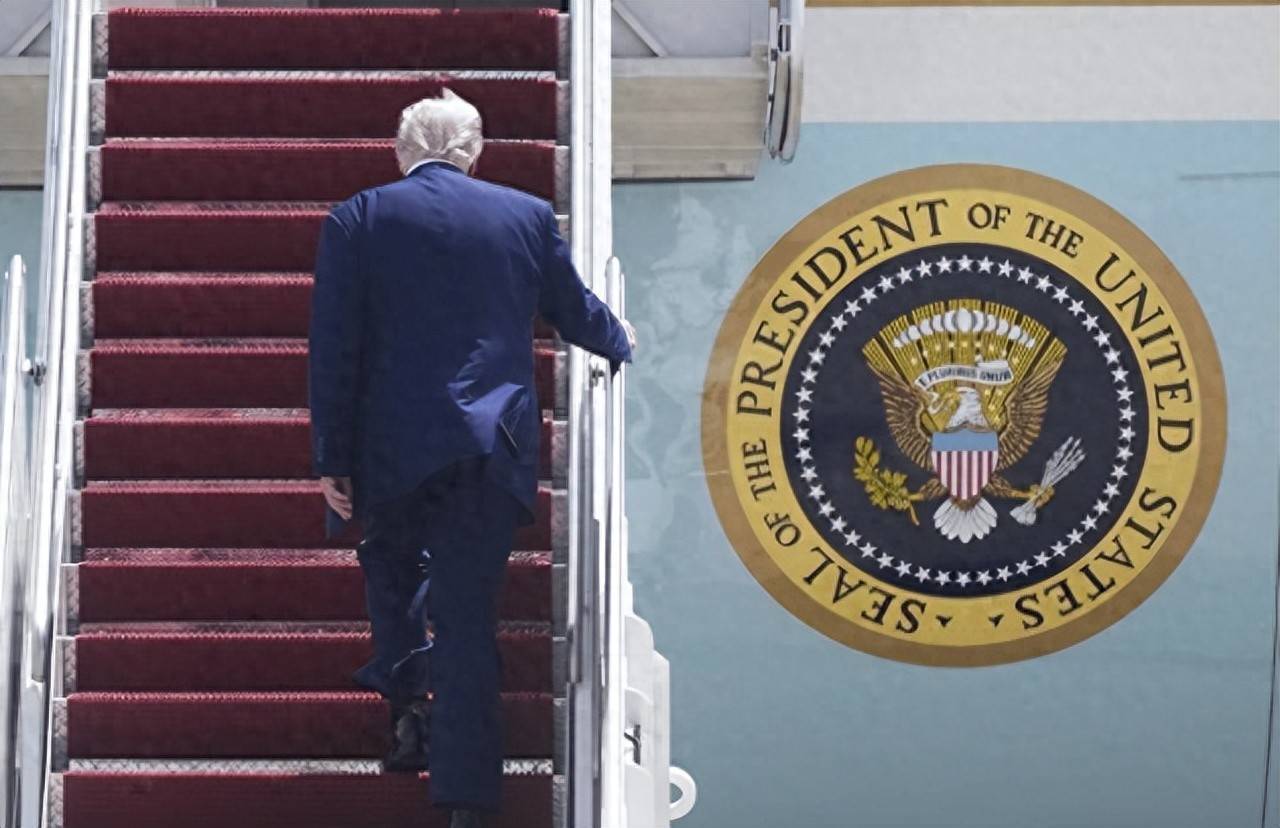
刚定下访华日程,24小时不到,特朗普王牌被废,中方发现了美国弱点
Sou Hu Cai Jing· 2026-02-27 04:33
Core Viewpoint - The article discusses the implications of a recent Supreme Court ruling that invalidated President Trump's use of the International Emergency Economic Powers Act to impose global tariffs, significantly impacting U.S.-China trade relations and Trump's negotiating power [1][3]. Group 1: U.S. Tariff Policy - The Supreme Court ruled that Trump's global tariff measures were unconstitutional, leading to the immediate cessation of these tariffs, which had generated over $160 billion in revenue [1][3]. - Following the ruling, Trump attempted to implement a new tariff policy under the Trade Act of 1974, imposing a 15% tariff on global imports, but this approach has significant limitations and requires Congressional approval for extension [3][5]. Group 2: U.S.-China Relations - The U.S. government's inability to maintain unilateral tariff measures exposes weaknesses in its internal power structure, limiting Trump's ability to exert pressure on China [5][7]. - The upcoming visit to China is driven by urgent U.S. economic needs, including agricultural exports and maintaining confidence in U.S. debt, indicating a shift towards a more cooperative dialogue with China [5][7]. Group 3: Global Trade Dynamics - The failure of unilateral tariff policies highlights the importance of mutual respect and equal negotiation in international trade, suggesting that reliance on power dynamics is ineffective [7]. - The internal turmoil within the U.S. government serves as a reminder of the fragility of global trade order and the need for stable governance and a strong economy to support international standing [7].

【电新环保】春节期间行业重点事件点评——电新环保行业周报20260223(殷中枢/郝骞/陈无忌/和霖/邓怡亮)
光大证券研究· 2026-02-24 23:03
Group 1 - The article discusses India's consideration to relax restrictions on the import of power and coal equipment from China due to project delays, with a projected 40% shortfall in transformers and reactors over the next three years [4] - India's peak electricity load for the fiscal year 2025-2026 is expected to reach 242 GW, with new coal power installations of 7.21 GW and renewable energy additions of 37.9 GW for solar and 6.3 GW for wind by November 2025 [4] - In 2024, India's total electricity generation is projected to be 2.03 trillion kWh, with power investments around $50.3 billion and grid investments approximately $22.4 billion, which are significantly lower than China's investments in the same sectors [4] Group 2 - The article highlights the U.S. tariff policy changes, including a 15% import tariff on global goods initiated by Trump, which may lead to a 5% reduction in tariffs on Chinese goods, impacting the renewable energy sector [5] - It is noted that some Chinese renewable products will still face anti-dumping duties, necessitating close monitoring of future policy developments [5]