单边贸易保护主义

Search documents
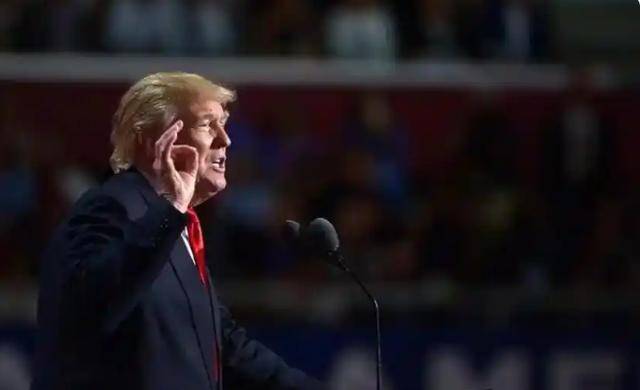
美国关税制裁一年,中国经济不降反增,美国民众扛下所有
Sou Hu Cai Jing· 2026-02-17 13:19
Core Viewpoint - The U.S. tariffs imposed on China have not achieved their intended goals of suppressing the Chinese economy or forcing a global supply chain shift, as China continues to show robust economic growth despite the pressures [2][21][27]. Economic and Trade Changes - Despite the ongoing tariff pressures, China's manufacturing sector remains active, with factories working hard to meet orders, indicating a stable growth in export orders [5][11]. - The core advantages of Chinese manufacturing, such as complete industrial support, efficient production, and stable supply capabilities, make it difficult for global companies to abandon the Chinese market [7][9]. Supply Chain Dynamics - Many companies have only partially relocated their production capacities rather than completely withdrawing from China, as doing so would require rebuilding supply chains and incur higher operational costs [9]. - U.S. buyers have gradually accepted the reality of the tariffs, choosing to continue cooperation with Chinese suppliers rather than forgoing high-quality products [11]. Impact of Tariffs on the U.S. - The tariffs have led to increased costs for U.S. consumers and businesses, with a significant portion of the tariff burden falling on American enterprises and the general public, contrary to initial claims that foreign companies would bear the costs [13][15]. - The rising prices of various goods, from clothing to electronics, have resulted in higher living costs for American families, putting pressure on the domestic economy [15][17]. Shift in U.S. Policy - The failure of the tariff policy and the economic pressure on the U.S. have prompted a softening of the U.S. stance towards China, with efforts to engage in dialogue and technical discussions [21][23]. - The realization that tariffs cannot sever the deep economic ties between the U.S. and China has led to a more pragmatic approach in U.S.-China relations, focusing on cooperation rather than unilateral sanctions [25][29]. Conclusion - China's economy has demonstrated resilience and growth despite external pressures, while the costs of the U.S. tariffs have primarily impacted American businesses and consumers, highlighting the drawbacks of unilateral trade protectionism [27][29][31].

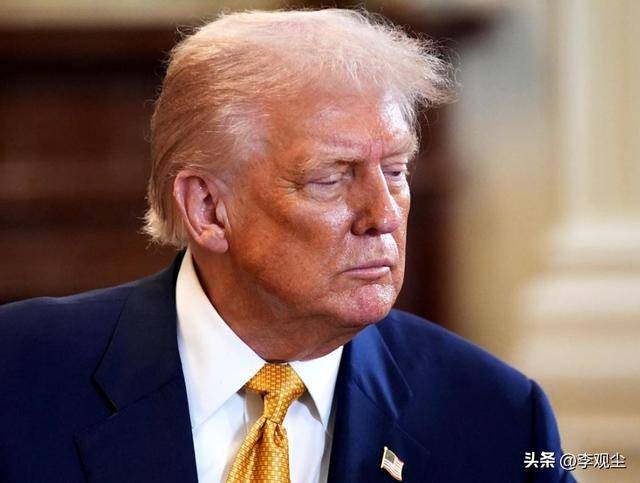
特朗普愤怒:美国的最大王牌,对中国已不起作用!新一轮威胁发出
Sou Hu Cai Jing· 2026-01-26 10:16
Core Insights - Canada and China have signed a trade agreement adjusting tariffs on electric vehicles and agricultural products, which has significant implications for international trade dynamics [1][3][5] Group 1: Trade Agreement Details - Canada will eliminate the 100% punitive tariffs on Chinese electric vehicles and allow a quota of up to 49,000 vehicles to enter Canada at a preferential tax rate of approximately 6.1% [3] - China has agreed to significantly reduce tariffs on Canadian canola and other agricultural products, indicating a mutual concession in trade relations [5] - The two countries have also signed a currency swap agreement worth 200 billion RMB, signaling a deepening of financial cooperation beyond mere trade adjustments [5] Group 2: Implications for the U.S. - The agreement has caused concern in Washington, as Canada has historically been a close ally of the U.S., and this move is perceived as a shift towards independent decision-making in trade [7][9] - U.S. Treasury Secretary criticized Canada’s actions, indicating a strong internal reaction to the perceived loss of influence over a neighboring country [9] - The Canadian public supports strengthening trade with China, with 62% favoring the removal of high tariffs, which reflects a significant domestic push for this policy shift [9] Group 3: U.S. Trade Strategy Limitations - Trump's threats to impose 100% tariffs on Canadian goods if they engage with China highlight a desperate attempt to maintain leverage, but this strategy appears increasingly ineffective [11][15] - The reliance on tariffs as a diplomatic tool has shown limitations, as both China and Canada have developed mechanisms to counter such pressures [15][16] - The inconsistency within the U.S. government regarding the response to Canada’s agreement with China reveals a strategic confusion in adapting to the evolving global trade landscape [16] Group 4: Global Trade Dynamics - The Canada-China agreement reflects a broader shift in global trade dynamics, where the U.S. no longer holds exclusive influence over trade rules and relationships [18][27] - Countries like Canada are seeking diversified trade partnerships, recognizing the importance of engaging with major economies like China for economic opportunities [20][22] - The trend towards multilateral cooperation among middle powers is gaining traction, as nations aim to avoid being caught in the crossfire of major power conflicts [22][24] Group 5: Conclusion - The trade agreement between Canada and China is a microcosm of the changing global power dynamics, indicating that traditional U.S. trade strategies are losing effectiveness [26][29] - The evolving landscape of international trade necessitates a reevaluation of strategies by the U.S. and other nations to adapt to a more multipolar world [29]
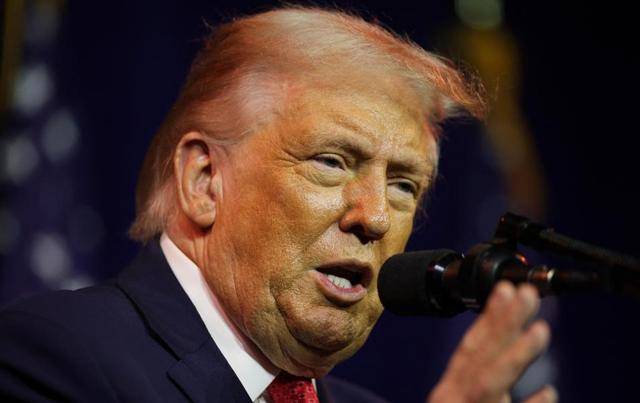
中国财长抵美却未见美国同行,特朗普再度变脸,开出取消关税条件?
Sou Hu Cai Jing· 2025-04-29 13:11
Core Viewpoint - The recent US-China trade dispute highlights unexpected roles on the international stage, with the US imposing tariffs while China maintains a strong position without falling into the "tariff trap" [1] Group 1: US Tariff Actions - Trump's announcement of a 145% tariff increase on Chinese goods is seen as a challenge rather than a simple trade policy adjustment [3] - The US's approach is characterized by unilateral pressure tactics, which China has responded to with a commitment to defend its rights through equal dialogue [3][5] Group 2: China's Response Strategy - China has adopted a strategy of selective communication, engaging with multiple countries while avoiding direct meetings with US representatives, indicating dissatisfaction with US sincerity [5][7] - The G20 meeting's failure to produce a joint statement reflects the international community's divided stance on US trade policies, with many countries reluctant to align with US protectionism [7] Group 3: Domestic Pressures on the US - Trump's sudden shift to propose conditions for tariff removal appears to be influenced by internal pressures, including declining public satisfaction and legal challenges against his tariff actions [5][10] - The lack of a concrete timeline or clear path for tariff removal suggests that Trump's proposals may be more about political maneuvering than genuine negotiation [5][10] Group 4: Future Trade Dynamics - China has firmly stated that it will not engage in negotiations without fair conditions and will focus on building relationships with willing partners [7][10] - The ongoing US unilateral trade protectionism is likely to perpetuate tensions, as China remains resolute in its stance against one-sided threats [9][10]