
危险作业罪

Search documents
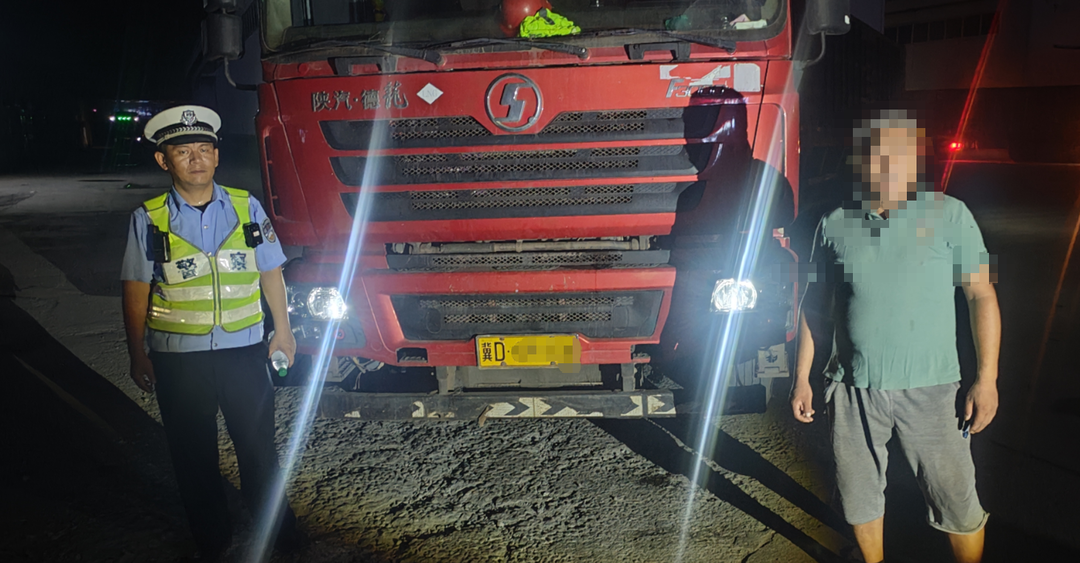
聊城首例!“百吨王”超载构成危险作业罪,货车管理人被判刑
Qi Lu Wan Bao· 2026-01-29 03:50
Core Viewpoint - The case of "Hundred Ton King" overloading in Liaocheng marks a significant legal precedent, as it is the first instance where criminal charges were applied for severe overloading, highlighting the urgent need for safety in the freight industry [1][5]. Group 1: Case Details - The actual manager of the truck, identified as Jia, was sentenced to five months of detention with a six-month probation for arranging the transportation of steel coils with a truck that was severely overloaded [1]. - On July 13, 2025, the truck was found to have a total weight of 166.8 tons, exceeding the limit by 240.41%, which posed a significant accident risk [1]. - Despite being penalized and ordered to rectify the situation, Jia continued to arrange for overloaded transport, leading to a second incident where the truck weighed 163.52 tons, exceeding the limit by 233.71% [3]. Group 2: Legal and Safety Implications - The police emphasized that overloading is not merely a traffic violation but a serious threat to public safety, as it significantly reduces braking performance and increases the risk of severe accidents [5]. - The case extends the criminal liability for dangerous operations to include not just drivers but also those responsible for managing and organizing transport, challenging the notion that only drivers are accountable [5]. - Authorities will intensify efforts to combat overloading and hold accountable those who refuse to comply with safety regulations, aiming to protect road safety [6].

聚焦准确认定“现实危险” 以法治思维推进安全生产治理
Ren Min Wang· 2025-05-28 00:41
Group 1 - The Supreme People's Procuratorate has released a batch of six typical cases related to dangerous operations to enhance business guidance on criminal cases that endanger production safety [1][3] - The cases cover three types of violations of safety management regulations as stipulated in Article 134 of the Criminal Law, spanning four high-risk industry sectors: offshore operations, metal smelting, light industry manufacturing, and the management, storage, and transportation of hazardous chemicals [1][2] - These typical cases aim to refine the standards for determining the reality, urgency, and severity of dangers, accurately identifying "real dangers" while showcasing good practices by procuratorial agencies in handling such cases [1][3] Group 2 - In the case of Zhao and Zhang, the procuratorial agency conducted a substantive review of the "real danger" assessment provided by emergency management departments, determining that the defendants' actions created a general reality of danger due to the use of non-compliant equipment and illegal storage and transportation of diesel [2] - The case of Wang involved on-site inspections and expert consultations to assess the likelihood of explosions due to improper storage of liquefied gas, leading to the recognition of a causal relationship between the illegal actions and the real danger [2] - The head of the Major Crime Procuratorial Department emphasized that these cases serve as a model for unifying judicial standards and accurately combating crimes in related fields, with plans to intensify efforts against criminal activities that endanger production safety [3]