原创式创新

Search documents
以创新政策组合 驱动新质生产力
Sou Hu Cai Jing· 2025-11-26 16:38
Group 1 - The core argument of the articles emphasizes the necessity for China to shift from a factor-driven growth model to an innovation-driven model to maintain its competitive edge in the global market [1][2][3] - Approximately 22% of the growth in total factor productivity (TFP) can be attributed to new quality productivity, with internal innovation contributing about 9% and resource allocation efficiency improvement contributing about 13% [3] - The development of new quality productivity is crucial for China's innovative development, requiring a supportive institutional framework and market demand guidance [4][5] Group 2 - Pre-policy measures, such as R&D subsidies and tax deductions, lower the entry barriers for innovation activities, which have been effective in promoting innovation diffusion in China's past development [5][6] - Post-policy measures focus on protecting the intellectual property rights and ensuring the realization of returns from innovation, which motivates companies to undertake long-term R&D despite uncertainties [6] - The transition from pre-policy to post-policy support is essential as China moves from imitative to original innovation, allowing market forces to determine innovation directions and resource reallocation [6]
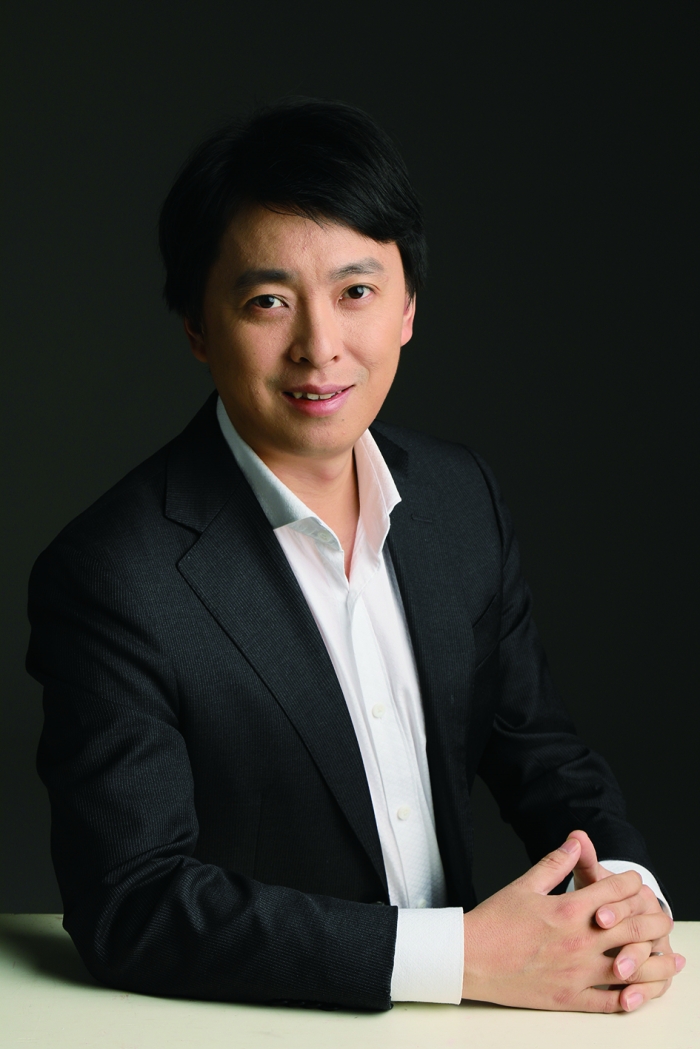
钛米机器人董事长潘晶:保持引领者视角 坚持原创式创新
Shang Hai Zheng Quan Bao· 2025-04-02 18:31
Core Viewpoint - Shanghai Taimi Robot Co., Ltd. has established itself as a leading player in the medical service robot sector, having entered over 700 large hospitals and medical institutions across China, emphasizing the importance of original innovation to maintain its leadership position [2][4]. Company Overview - Founded in 2015 by Pan Jing and partners, Taimi focuses on the development of medical service robots, with a notable early product being a ward service robot designed for isolation wards [2][4]. - The company has developed over 20 different types of robots for various medical applications, including waste management, drug management, infection control, clinical nursing, and surgery, with many products being firsts in China [4]. Product Innovation - Taimi's ward service robot is the first medical service robot in China to receive CFDA Class II registration and is among the first innovative medical service projects to charge fees [4]. - The robots are designed to perform simple, repetitive, and even complex but deterministic medical tasks, allowing healthcare professionals to focus on more uncertain issues [4]. Industry Standards and Regulations - The National Medical Products Administration has proposed accelerating the development of general standards for medical robots and AI medical devices, with Taimi participating in the formulation of several national and industry standards [5]. Market Position and Future Plans - Taimi is currently the leading player in its niche market but acknowledges that it is still a small player in a larger ecosystem, advocating for multiple participants to develop the sector together [7]. - The company aims to expand its presence in hospitals, targeting 300 to 500 robots per hospital over the next five years [7]. Challenges and Opportunities - Taimi faces challenges in market promotion due to uncertainties in how its products are classified within public healthcare budgets, which complicates procurement processes [8]. - The company is currently in the counseling phase for the Sci-Tech Innovation Board and is preparing for a new round of financing [9][10].