原油人民币结算

Search documents
沙特砸钱美国,马斯克抢滩,藏着对华算计
Sou Hu Cai Jing· 2025-11-21 23:50
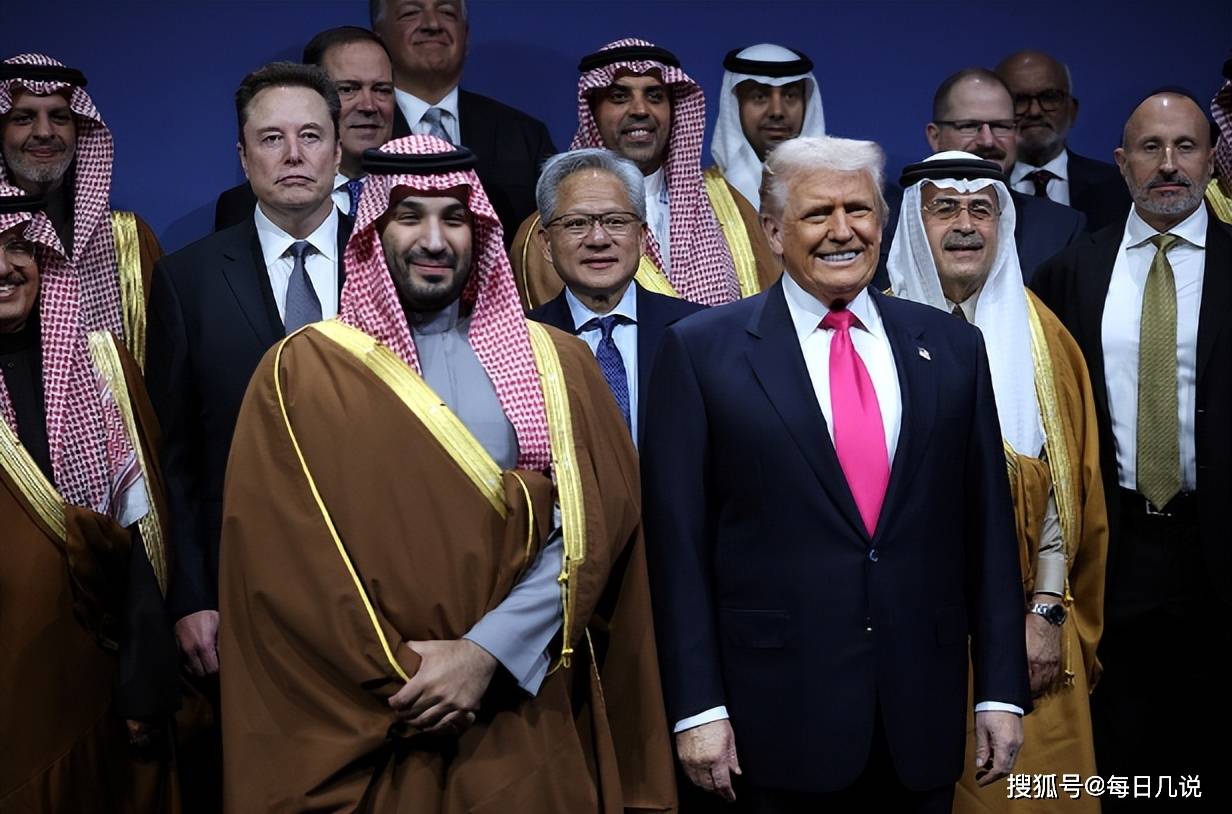
Core Insights - Saudi Arabia has announced a $1 trillion investment in the U.S., with significant involvement from tech giants like Tesla and Nvidia, indicating a strategic alignment with the U.S. while pursuing its own "Vision 2030" goals [1][3][7] Investment and Economic Cooperation - Of the $1 trillion investment, $300 billion is allocated for U.S. shale oil technology upgrades and $200 billion for military procurement, reflecting a continuation of the longstanding U.S.-Saudi alliance [3] - Saudi Arabia is China's largest crude oil supplier, with imports expected to reach 78.639 million tons in 2024, accounting for over 12% of China's total imports, and a bilateral trade exceeding $107.5 billion [3] Digital Economy and Technological Competition - The establishment of data centers by Tesla and AI computing bases by Nvidia in Saudi Arabia poses a competitive threat to Chinese firms like Huawei and Alibaba Cloud, which have already invested in 5G and smart city projects in the region [3][10] - China's digital infrastructure exports to Saudi Arabia are projected to exceed $8 billion in 2024, highlighting the competitive landscape in the Middle East's digital transformation [3] Strategic Maneuvering - Saudi Crown Prince Mohammed bin Salman is employing a dual strategy, engaging both the U.S. for military protection and China for infrastructure development, to enhance Saudi Arabia's industrial capabilities [7][10] - The recent signing of a currency swap agreement between the central banks of China and Saudi Arabia, increasing the amount to 50 billion yuan, indicates China's proactive approach to maintain economic ties [10] International Reactions - The U.S. is positioned as a beneficiary of Saudi investments, with President Biden referring to Saudi Arabia as a "strategic partner" and supporting its entry into BRICS, while also selling advanced military systems [11] - The EU is portrayed as an anxious observer, lacking the military support of the U.S. and the infrastructure capabilities of China, leading to a preference for collaboration with China on digital infrastructure standards [11] Challenges and Risks - Concerns arise from the potential impact of Saudi Arabia's technology partnerships on its energy exports and pricing strategies, particularly regarding the U.S. shale oil industry [11][12] - The operational feasibility of foreign tech projects in Saudi Arabia may face challenges due to reliance on Chinese technology for stable power supply and energy needs [12]