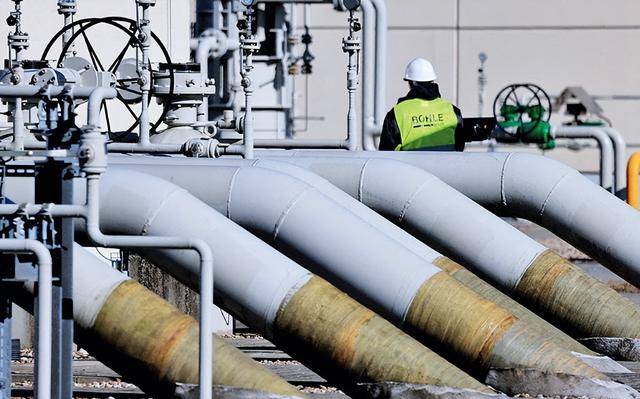
去俄化

Search documents
冻死事小,失节事大?欧盟硬禁俄气陷绝境,中国绝非“救命稻草”!
Sou Hu Cai Jing· 2026-02-02 04:51
Group 1 - The EU's reliance on Russian gas remains significant despite its rhetoric of "de-Russification," with over 76.1% of LNG exports from the Yamal project still reaching EU ports, generating €7.2 billion in revenue for Russia [2] - The extreme winter in early 2026 led to gas storage levels in Germany and the Netherlands dropping below warning thresholds, with Germany at 54.1% and the Netherlands at 46.1%, resulting in widespread energy shortages and increased costs for households [4] - The EU's shift from Russian gas to American LNG has resulted in higher prices, with American LNG expected to account for 70% of EU supplies by 2029, raising concerns about political leverage over Europe [6] Group 2 - The EU's search for alternative energy sources has turned towards China, but China's energy cooperation with Russia is based on mutual benefit and not intended to fill the EU's energy gaps [8] - China's oil imports are projected to decline in 2024 and 2025 due to a strategic shift towards renewable energy and increased domestic production, indicating a reduced reliance on foreign energy [9] - Internal divisions within the EU regarding energy policies are evident, with countries like Hungary and Slovakia opposing bans while others like Poland and Denmark support them, leading to weakened cohesion and exacerbating the energy crisis [9]

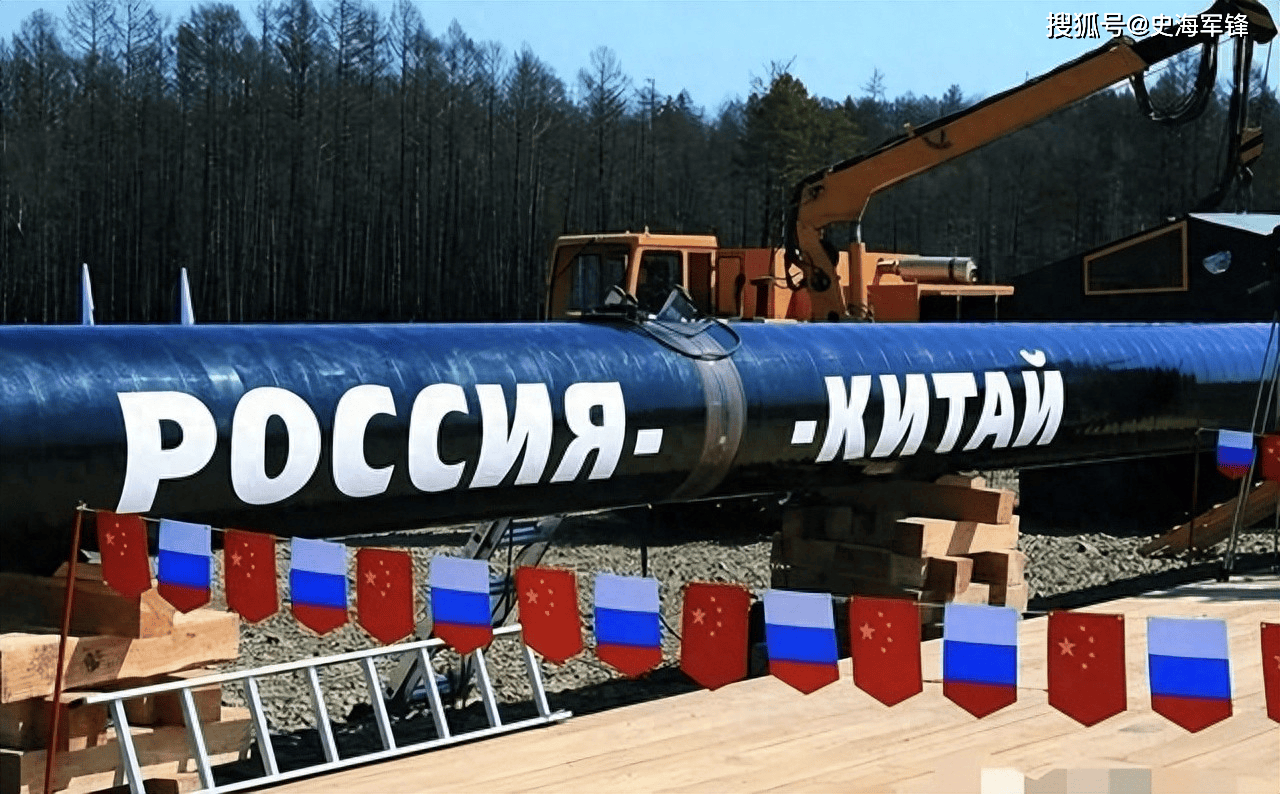
欧盟计划堵死俄所有输欧天然气管道
Sou Hu Cai Jing· 2025-09-04 01:21
Core Viewpoint - The EU's push to eliminate Russian gas exports by 2027 is more of a political statement than a feasible policy, reflecting internal contradictions and dependencies on Russian energy [1][6][8]. Group 1: EU's Energy Policy - Denmark, as the EU's rotating presidency, proposed a plan requiring importers to prove that their gas is not from Russia, targeting the "TurkStream" pipeline as a potential source of Russian gas [1][3]. - Despite the EU's efforts to phase out Russian energy, Russian gas still accounts for nearly 20% of the EU's demand, indicating a significant dependency that cannot be easily severed [3][6]. - The EU's requirement for detailed sourcing information from gas importers is impractical due to the complexity of contracts and the mixing of gas during transport, making traceability nearly impossible [4][6]. Group 2: Internal EU Dynamics - There is a lack of consensus among EU member states regarding the ban on Russian gas, with some countries concerned about rising energy prices and legal costs associated with the ban [3][6]. - Hungary and Serbia are examples of countries that oppose the energy ban due to their heavy reliance on Russian gas, highlighting potential divisions within the EU [6][9]. Group 3: Strategic Implications - The EU's stance on Russian gas reflects a broader disconnect between political rhetoric and economic realities, as energy is a strategic asset rather than a mere commodity [8][9]. - Russia is likely to find alternative markets for its gas, such as China and Asia, undermining the EU's efforts to isolate it economically [9].