反霸权

Search documents
伊朗多地集会 怒火烧向美国以色列
Xin Hua She· 2025-11-05 05:40
Group 1 - The core viewpoint of the article highlights the public demonstrations in Iran against U.S. hegemony and Israeli aggression, with citizens expressing their anger through protests and symbolic acts [1] - Demonstrations took place in multiple cities, including Tehran, where participants marched from Palestine Square to the former U.S. embassy, chanting anti-American and anti-Israeli slogans while displaying Iranian flags and photos of victims from the June conflict [1] - Iranian Parliament Speaker Ghalibaf addressed the crowd, emphasizing that Iran will not accept any form of domination and will continue to fight against hegemony and arrogance [1]
中美关税战打到现在,是中国不跪?恰恰相反,是中国不许美国下跪
Sou Hu Cai Jing· 2025-11-02 12:42
Group 1 - The recent trade negotiations between U.S. Treasury Secretary Besant and Chinese Commerce Representative Li Chenggang have attracted significant attention online [1] - Li Chenggang has been portrayed as a calm and rational figure, earning the nickname "China's 'Wolf Warrior' diplomat" from many netizens [3] - The incident reflects the intense nature of the U.S.-China trade war, indicating a new era of non-violent conflict that redefines human civilization [8][10] Group 2 - The misunderstanding during the negotiations was exacerbated by Besant's lack of political experience, having previously been a trade investment company owner [6] - The trade war is not merely an economic confrontation but a crucial step in China's anti-hegemonic strategy, aiming to resist U.S. pressure [14] - The U.S. has historically violated international trade rules, establishing a trade system that benefits itself while suppressing other nations [18][19] Group 3 - China's adherence to international trade rules contrasts with the U.S.'s aggressive tactics, as seen in various historical examples of U.S. actions against other countries [21][23] - The current trade war is characterized by China's breakthrough in discourse power and international influence, as exemplified by the global popularity of TikTok [26] - The U.S. must become increasingly unreasonable for China to effectively challenge its hegemony, with figures like Trump exemplifying this behavior [28][29] Group 4 - China requires U.S. dollars and high-tech chips, particularly for high-end industries, highlighting the interdependence between the two nations [35] - The U.S. maintains its global dominance through dollar policy and high-end manufacturing, while China must overcome technological and monetary blockades to achieve anti-hegemonic goals [39][41] - Recent actions by China, such as tariff increases and restrictions on rare earth exports, indicate a strategic move towards decoupling from the U.S. [47]

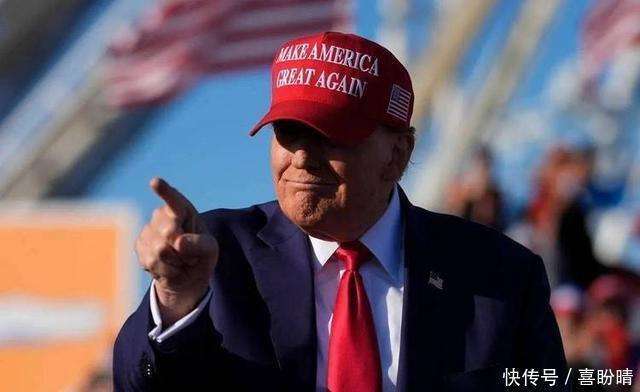
中美会谈:美国再提4项霸王条款,我国强硬回击,特朗普最新表态
Sou Hu Cai Jing· 2025-07-30 14:38
Core Points - The latest round of US-China trade talks in Sweden ended without new progress, with both sides agreeing to extend previously reached tariff agreements [1] - The US presented four unreasonable demands to China, including importing thousands of billions of dollars worth of goods, implementing zero tariffs, opening all sectors to US capital, and ceasing imports of energy from Russia and Iran [1][3] - The US's demands are viewed as economic colonialism, reflecting a strategy previously used against the EU and Japan [3] - The US Treasury Secretary turned the talks into a threat, insisting on halting energy purchases from Russia and Iran, which could destabilize China's energy supply and economy [5] - China's trade representative firmly rejected the US's unreasonable demands, indicating a strong stance against potential tariffs [7] - The US's threats of reinstating high tariffs are seen as ineffective, given the current economic conditions in the US [7] - China emphasized its control over 60% of global rare earth refining, which could be leveraged in response to US tariffs, highlighting its strategic advantage [9] - Trump's contradictory statements about China's market openness and strong attitude reflect frustration over the failed negotiations [9]