发展自主

Search documents
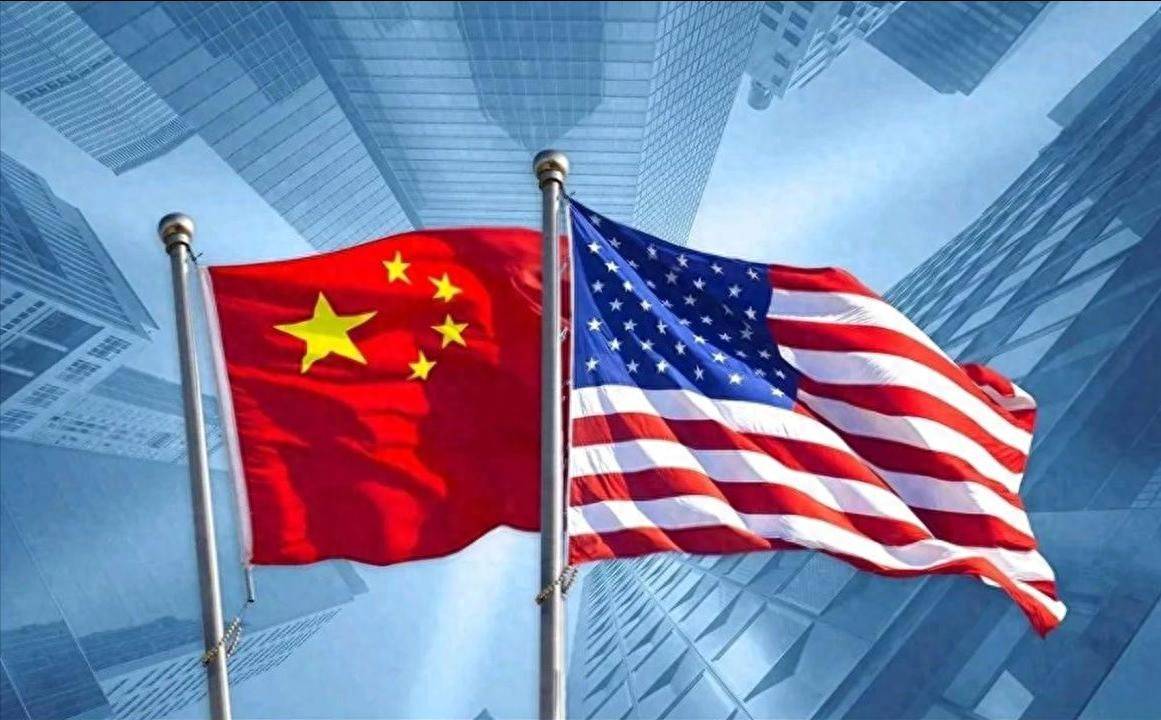
中美关系其实并不复杂:要么是中国交出财富,要么是美国放弃霸权
Sou Hu Cai Jing· 2026-02-19 03:35
Group 1 - The essence of the US-China relationship is a structural conflict over growth dividends and global order, where the US seeks control and China aims for development autonomy [1][2] - The US's advantages lie in finance, technology, rules, and alliances, while China's strengths are in manufacturing, scale, market, and depth of the supply chain [2][6] - The US does not oppose China being a large market or global factory but aims to prevent it from becoming a technology source or rule-maker [6] Group 2 - The US's recent actions, including suspending some tech restrictions and discussing arms sales to Taiwan, indicate a strategy of risk control while increasing leverage in negotiations [2][4] - China emphasizes the importance of self-reliance and the need to manage key variables such as supply chain autonomy, market diversification, and technological investment [7] - The future of US-China relations is likely to involve a mix of negotiation and confrontation, with both sides engaging in long-term competition and selective cooperation [4][7]