
合规底线

Search documents
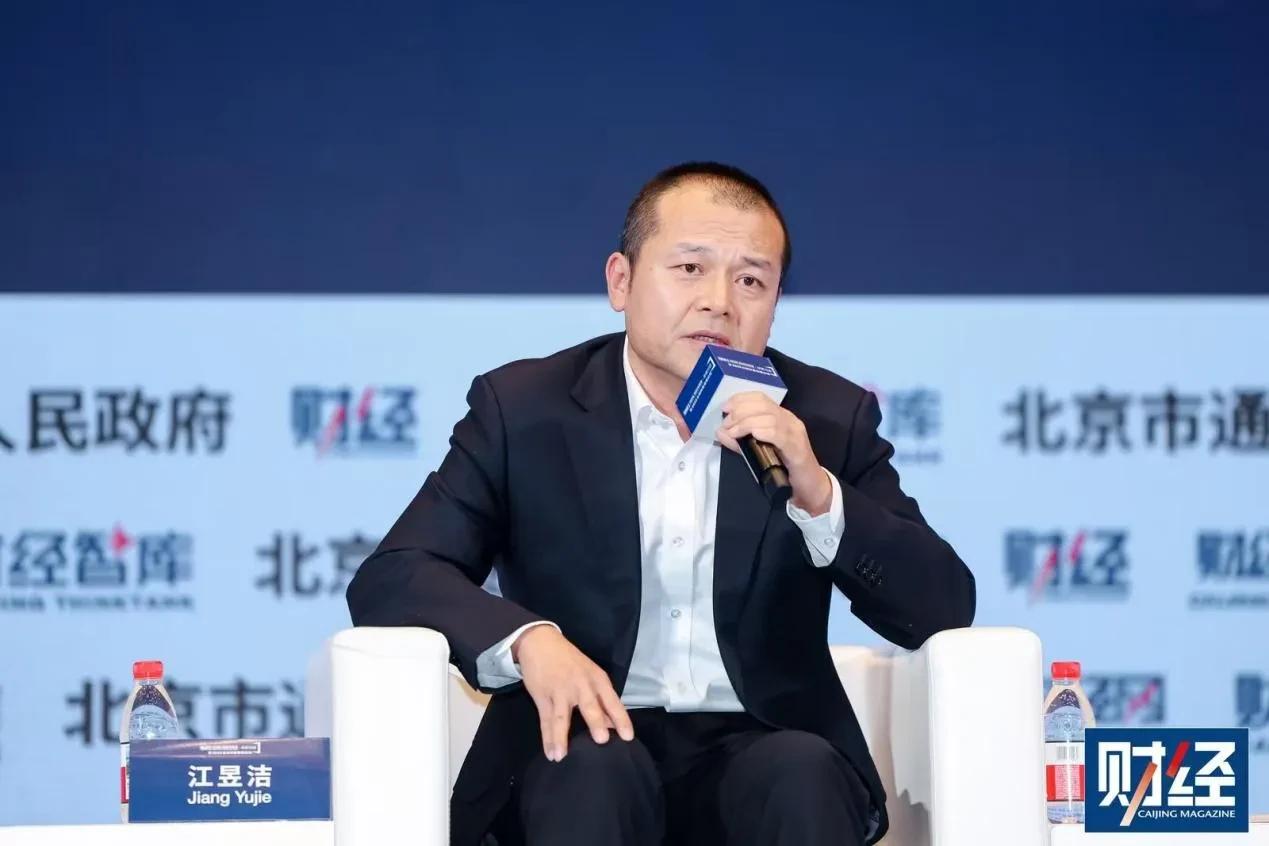
昆仑信托总经理江昱洁:守正创新推动家族信托从“财富传承”向“文明传承”跨越
Xin Lang Cai Jing· 2025-12-20 09:50
Core Viewpoint - The family trust serves as a fundamental business in wealth management, emphasizing property independence and risk isolation, which are essential for effective wealth transfer and control [3][6][10] Group 1: Family Trust Functions - The core functions of family trusts include property independence and risk isolation, allowing for effective management of marital changes, debt disputes, and business risks [3][6] - Family trusts also facilitate wealth transfer and distribution control, which is particularly important for larger family units [6][7] - Additional functions include tax planning and privacy protection, which are governed by legal frameworks [6][7] Group 2: Integration with Traditional Culture - There is a push to integrate family trusts with Chinese traditional culture, enhancing the social value of wealth beyond mere preservation [3][7] - Family trusts are increasingly being linked to charitable trusts, encouraging families to consider the social implications of their wealth [3][7] Group 3: Innovation and Tradition - The concept of "guarding tradition and innovating" is emphasized, where tradition ensures the stability of family wealth, while innovation allows for the evolution of family values and governance [4][8] - This approach aims to create a sustainable and respected family civilization system that transcends mere wealth transfer to encompass cultural legacy [4][8] Group 4: Future Development of Trust Industry - The trust industry is viewed as a resource integration platform, necessitating the development of specialized teams that encompass finance, law, and tax expertise [4][9] - Trust companies must balance the true intentions of clients with enhanced asset allocation capabilities, requiring advancements in information systems and artificial intelligence [9][10] Group 5: Compliance and Ethical Standards - It is crucial for trust companies to adhere to compliance standards to ensure long-term stability and integrity within the industry [5][10] - Family trusts should not be perceived as tools for evading debts or taxes, but rather as legitimate means for wealth management and protection [5][10]

银行创新应严守合规底线
Jing Ji Ri Bao· 2025-06-16 22:06
Core Viewpoint - The recent promotional activity by banks offering gifts for deposits, such as "5,000 yuan for a blind box," has sparked discussions but was halted due to regulatory compliance issues [1] Group 1: Compliance and Regulatory Issues - Banks are prohibited from attracting deposits through improper means such as cash returns or gifts, which constitutes a violation of regulations [1] - The practice of offering gifts for deposits can lead to increased competition among banks, disrupting market order and potentially raising the cost of liabilities [1][2] - Non-compliance can result in severe penalties from regulatory authorities, damaging the bank's reputation and leading to customer loss [2][3] Group 2: Innovation and Customer Attraction - While innovation in customer attraction is positive, banks should focus on enhancing products and services rather than merely offering enticing gifts [2] - Banks need to strengthen internal management and establish compliance review mechanisms to prevent violations before launching new initiatives [2] - Utilizing financial technology to improve service quality and offering personalized financial products can better meet diverse customer needs [2] Group 3: Communication with Regulators - Maintaining close communication with regulatory bodies is essential for ensuring that innovative activities remain within compliance frameworks [3] - Regulatory authorities should enhance oversight mechanisms and increase penalties for violations to deter banks from breaching compliance [3] - Innovation should not come at the expense of compliance, as sustainable development and market stability depend on adhering to regulatory standards [3]