
伊速达

Search documents
中新健康丨一针少花两千,新版医保目录调整能省多少钱
Zhong Guo Xin Wen Wang· 2026-01-08 01:45
Core Insights - The recent adjustment to the National Medical Insurance Drug List has significantly reduced the costs of long-acting growth hormone treatments, benefiting many families [1] - The new drug list includes a high proportion of innovative drugs and aims to enhance drug accessibility for patients in urgent clinical need [2] Group 1: New Drug Additions - A total of 114 new drugs have been added to the insurance list, covering critical areas such as oncology, chronic diseases, and rare diseases [2] - The average price reduction for newly added drugs exceeds 60%, significantly alleviating the financial burden on patients [2] - Notable new drugs include innovative treatments for triple-negative breast cancer and pancreatic cancer, as well as long-acting growth hormone for children [2] Group 2: Optimization of Existing Drugs - The payment scope for 65 existing drugs has been optimized, including expanded indications for certain medications [3] - Adjustments have been made to ensure that the descriptions of drug payment scopes align more closely with clinical realities [3] Group 3: Policy Measures - The government has implemented a series of policies to ensure that negotiated drugs are effectively integrated into hospitals and accessible to patients [3] - Medical institutions are required to hold pharmacy meetings to incorporate new drugs into their procurement lists by February 2026 [3] Group 4: Industry Impact - The adjustment has led to the removal of 29 drugs that have lower efficacy or better alternatives available, thereby optimizing the use of medical insurance funds [4] - The inclusion of numerous innovative drugs indicates a strengthening of domestic pharmaceutical companies' research and development capabilities [4][5] - Major companies like Heng Rui Medicine and Innovent Biologics have successfully introduced multiple innovative drugs into the new insurance list [5]
一针少花两千,新版医保目录调整能省多少钱
Zhong Guo Xin Wen Wang· 2026-01-08 01:28
Core Insights - The recent adjustment to the National Medical Insurance Drug List has significantly reduced the costs of long-acting growth hormone treatments, benefiting many families [1] - The new drug list includes a substantial number of innovative drugs, with an average price reduction of over 60%, aimed at improving patient access to essential medications [2] Group 1: New Drug Additions - A total of 114 new drugs have been added to the insurance list, covering critical areas such as oncology, chronic diseases, and rare diseases [2] - Notable new drugs include innovative treatments for triple-negative breast cancer and pancreatic cancer, as well as long-acting growth hormone for children [2][4] - The new drugs are characterized by either filling clinical treatment gaps, being superior to existing options, or offering better cost-effectiveness [2] Group 2: Existing Drug Adjustments - The payment scope for 65 existing drugs has been optimized, including expanding the target population for certain medications [3] - Adjustments have been made to align drug descriptions more closely with clinical realities, facilitating easier prescription by healthcare providers [3] Group 3: Policy and Industry Impact - The adjustment aims to optimize the use of medical insurance funds, allowing for the introduction of innovative drugs while removing less effective ones [4] - The removal of 29 drugs primarily targets those with lower cost-effectiveness or available alternatives, with minimal impact on most patients [4] - The inclusion of numerous innovative drugs reflects the strengthening of domestic pharmaceutical companies' R&D capabilities [5] Group 4: Financial Implications - The National Medical Insurance Bureau has adjusted the drug list for eight consecutive years, adding a total of 949 new drugs, with significant financial implications for the pharmaceutical market [5] - The insurance fund has spent over 460 billion yuan on negotiated drug expenditures, driving sales growth exceeding 600 billion yuan [5]
36氪精选:流感高峰将至,谁在买200元/盒的流感药
日经中文网· 2025-11-29 00:33
Core Viewpoint - The article discusses the significant increase in demand for flu medications in China, particularly due to an early flu season in 2025, and highlights the emergence of new domestic flu drugs that are changing the market landscape [6][9][13]. Flu Season and Demand Surge - The flu season in 2025 has started nearly a month earlier, with the National Disease Control Bureau indicating a rising trend in flu activity [6][9]. - There has been a more than 100% increase in orders for flu medications, especially in northern cities like Harbin and Hohhot, where orders surged over 150% [6][9]. Market Dynamics and New Drug Introduction - The flu medication market is projected to exceed 100 billion yuan, driven by a clearer understanding of flu's severity and the introduction of new medications [9][10]. - New flu drugs, including those that require only a single dose for the entire treatment course, are entering the market, with some priced nearly ten times higher than traditional medications like Oseltamivir [8][11]. Competitive Landscape - The article notes that 2025 is being referred to as the "Year of Domestic Flu New Drugs," with several new products set to launch [7][8]. - The new medications, such as Marbalozav and others, are designed to be more effective and user-friendly compared to older drugs, which require multiple doses [11][12]. Pricing and Market Penetration - The pricing of new flu medications is significantly higher than traditional options, with initial prices exceeding 300 yuan, while older drugs like Oseltamivir are priced around 20 yuan [14][15]. - Despite the higher prices, there is a potential for market growth as awareness of new medications increases, with current penetration rates for new drugs being low [12][15]. Marketing and Distribution Strategies - Companies are focusing on building new prescription habits and educating the market about the benefits of single-dose medications [16]. - E-commerce platforms are increasingly involved in the distribution of flu medications, providing services like home testing and online consultations [16].


近3年最强流感季来袭:部分药店特效药缺货,儿童“一次口服”流感药还会紧俏多久?
Mei Ri Jing Ji Xin Wen· 2025-11-27 06:36
Core Viewpoint - The flu season of 2025 is reported to be more severe than in the past three years, with increased cases of flu-like illnesses (ILI) across both northern and southern regions of China, leading to a shortage of specific flu medications, particularly for children [1][3][11]. Summary by Sections Flu Season Severity - The latest report from the Chinese Center for Disease Control and Prevention indicates that from November 10 to 16, 2025, the ILI percentage in southern provinces was 6.7% and in northern provinces was 7.0%, both higher than the previous week and the same period in 2022, 2023, and 2024 [3][11]. Medication Shortages - Many pharmacies are experiencing shortages of flu medications, particularly the children's version of the antiviral drug "速福达" (Mabalaoshuwei). Traditional antiviral drugs like Oseltamivir are still available but are also in high demand [3][9][11]. - A pharmacy reported that Oseltamivir has been out of stock for over two weeks, with expectations for new supplies to arrive soon, while "速福达" is not expected to be restocked [9][11]. Hospital Preference - Parents prefer hospitals for flu treatment over pharmacies, as they trust clinical doctors more. The original manufacturers of "速福达" and Oseltamivir are ensuring a broad supply to hospitals across the country [10][11]. - Clinical demand for children's flu medications is increasing, with doctors noting that while there are no supply issues for Oseltamivir and Mabalaoshuwei, delivery disruptions can occur due to high demand [11][12]. Drug Efficacy and Usage - Oseltamivir is suitable for children aged 1 year and older, while Mabalaoshuwei is effective for children aged 5 to 12, with the latter being a single-dose oral medication, making it more convenient for parents [11][13]. - The latest guidelines indicate that flu medications are essential for treatment, as common cold medications do not replace antiviral drugs [12][13]. Market Dynamics - The market for children's single-dose flu medications is expected to become more competitive as several domestic pharmaceutical companies are developing similar products, which may challenge the current dominance of "速福达" [16][17]. - Recent approvals for new antiviral drugs targeting children are underway, with a focus on single-dose formulations, which could expand treatment options for pediatric patients [16][17].
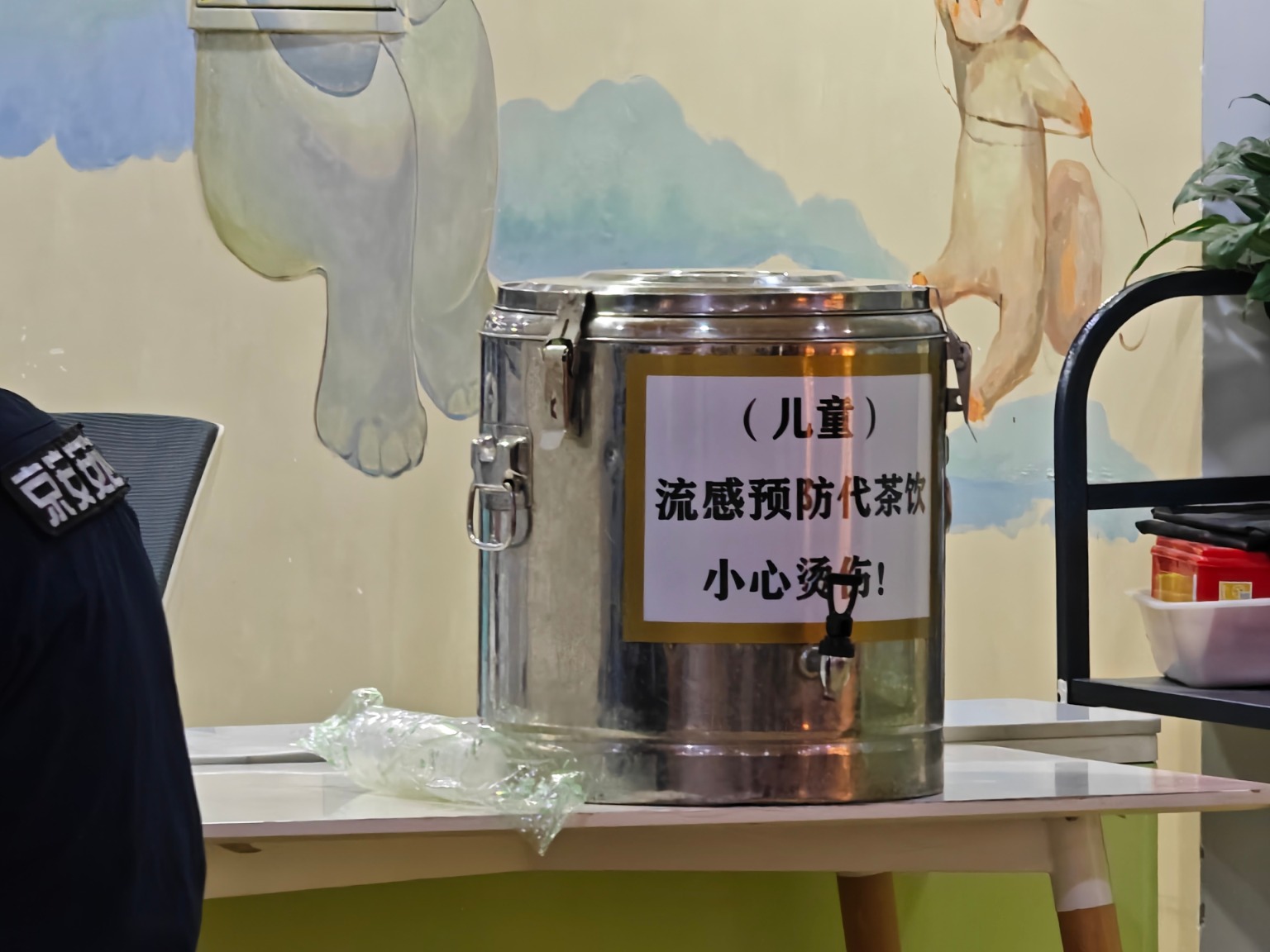
全国整体进入流感流行季 多款国产流感创新药密集上市
Yang Guang Wang· 2025-11-19 03:05
Core Viewpoint - The flu season in China is expected to peak in late December and early January, with a significant rise in flu activity currently observed, particularly with the H3N2 subtype dominating [1][4]. Group 1: Market Demand and Supply - Orders for flu medications have more than doubled since November, with northern cities like Harbin and Shenyang seeing increases over 150% [2]. - The supply of both imported and domestic flu medications is currently adequate, with regular restocking occurring in pharmacies [4]. - Domestic pharmaceutical companies have reported a significant increase in the procurement of cold and fever medications, indicating heightened consumer demand [2][4]. Group 2: Innovation in Domestic Pharmaceuticals - Several domestic flu medications have been approved this year, leading to a belief that 2025 may be the "year of domestic flu innovation drugs" [4][5]. - Three new antiviral flu medications have been approved, with two more completing clinical trials and seeking market approval [4]. - The domestic pharmaceutical industry is experiencing a shift towards innovative drug development, with companies focusing on both efficacy and safety [5]. Group 3: Industry Dynamics and Challenges - The rise in flu medication production is attributed to the seasonal nature of flu outbreaks and the strategic importance of the biopharmaceutical industry [5]. - Companies face challenges in promoting new medications, requiring collaboration with local governments, hospitals, and pharmacies to ensure prescriptions are written for innovative drugs [6]. - The domestic pharmaceutical industry is evolving, with a focus on mastering core technologies and competing with international firms [6].
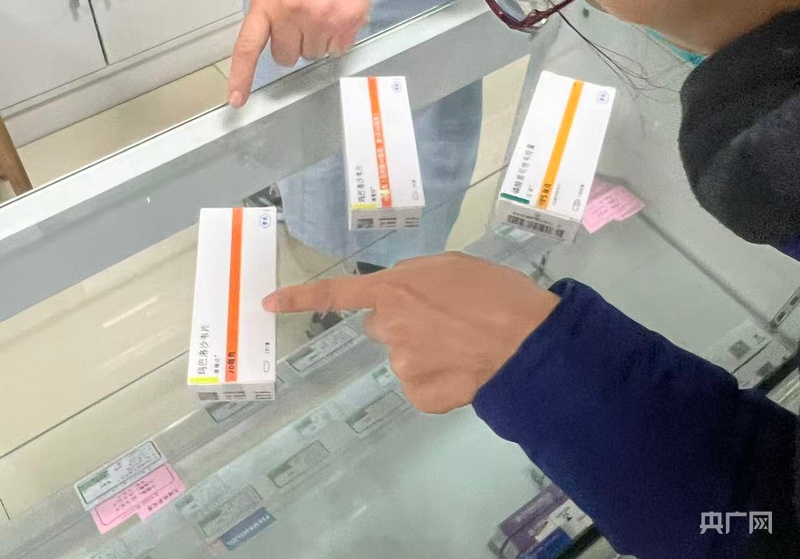
流感季来袭:药店“神药”有存货,奥司他韦卷出1元/粒
Xin Jing Bao· 2025-11-18 04:10
Core Insights - The flu season in China is expected to peak in late December and early January, leading to increased competition among flu medications [1][3] - Prices for flu medications, particularly for the popular drug Sufo, have started to drop as companies aim to capture market share [1][2] - The market for flu medications in China has surpassed 10 billion yuan, with Oseltamivir holding over 80% market share [4][5] Group 1: Market Dynamics - Sufo, a drug from Roche, was initially priced at 498 yuan per box but has seen a significant reduction to 222.36 yuan after being included in the national medical insurance directory [3] - The supply of Sufo is currently stable, with prices ranging from 239 to 258 yuan in retail pharmacies [2] - The entry of multiple domestic flu medications is intensifying competition, with several new products expected to launch in 2025 [6][7] Group 2: Competitive Landscape - Traditional flu medications like Oseltamivir are facing price pressures due to increased competition and collective procurement policies, with prices dropping significantly [4][5] - The market is seeing a surge in domestic flu drugs, with several companies like Qingfeng Pharmaceutical and Zhongsheng Pharmaceutical launching new products [6][8] - Oseltamivir's market share is projected to decline to 54.8% as more competitors enter the market, with over 70 companies producing the drug [5] Group 3: Regulatory and Development Updates - New flu medications are actively seeking inclusion in the medical insurance directory to enhance accessibility for patients [8] - Recent approvals for new flu drugs indicate a growing focus on pediatric formulations, with companies like Zhongsheng actively pursuing clinical trials for younger populations [7][8]


实探|流感季来袭:药店“神药”有存货,奥司他韦卷出1元/粒
Bei Ke Cai Jing· 2025-11-18 04:05
Core Viewpoint - The flu season in China is expected to peak in mid to late December and early January, leading to increased competition among flu medication manufacturers as prices drop to capture market share [5][8]. Group 1: Market Dynamics - Some flu medications have seen price reductions on e-commerce platforms, with the price of 20mg of Isodax dropping from 320 yuan to 196 yuan since November 3 [6]. - The market for flu medications is becoming increasingly competitive, with several new domestic flu drugs set to launch in 2025, challenging the previously dominant "miracle drug" status of Sufuda [8][23]. - Sufuda, a product of Roche, was initially priced at 498 yuan per box before being included in the national medical insurance directory, which reduced its price to 222.36 yuan [14]. Group 2: Supply and Demand - Sufuda is currently in ample supply, with prices in physical pharmacies ranging from 239 yuan to 258 yuan per box, and no immediate price adjustments are anticipated [10]. - The demand for Sufuda remains high, with reports indicating that it sells out quickly during peak seasons [9]. Group 3: Competitive Landscape - Oseltamivir, a traditional flu antiviral, holds over 80% market share in China's flu medication market, with prices significantly reduced due to increased competition and centralized procurement [16][19]. - The lowest bid price for Oseltamivir capsules has dropped to less than 1 yuan per capsule, marking an 85% decrease from previous prices [21]. - New domestic flu drugs, such as Isodax and Anruwei, are entering the market, aiming to capture a share of the growing demand for flu treatments [24][30]. Group 4: Regulatory Developments - The National Medical Products Administration has accepted new drug applications for several flu medications, indicating a proactive approach by domestic companies to expand their product offerings [28]. - Companies are also working to include their products in the medical insurance directory to enhance accessibility for patients [30][31].
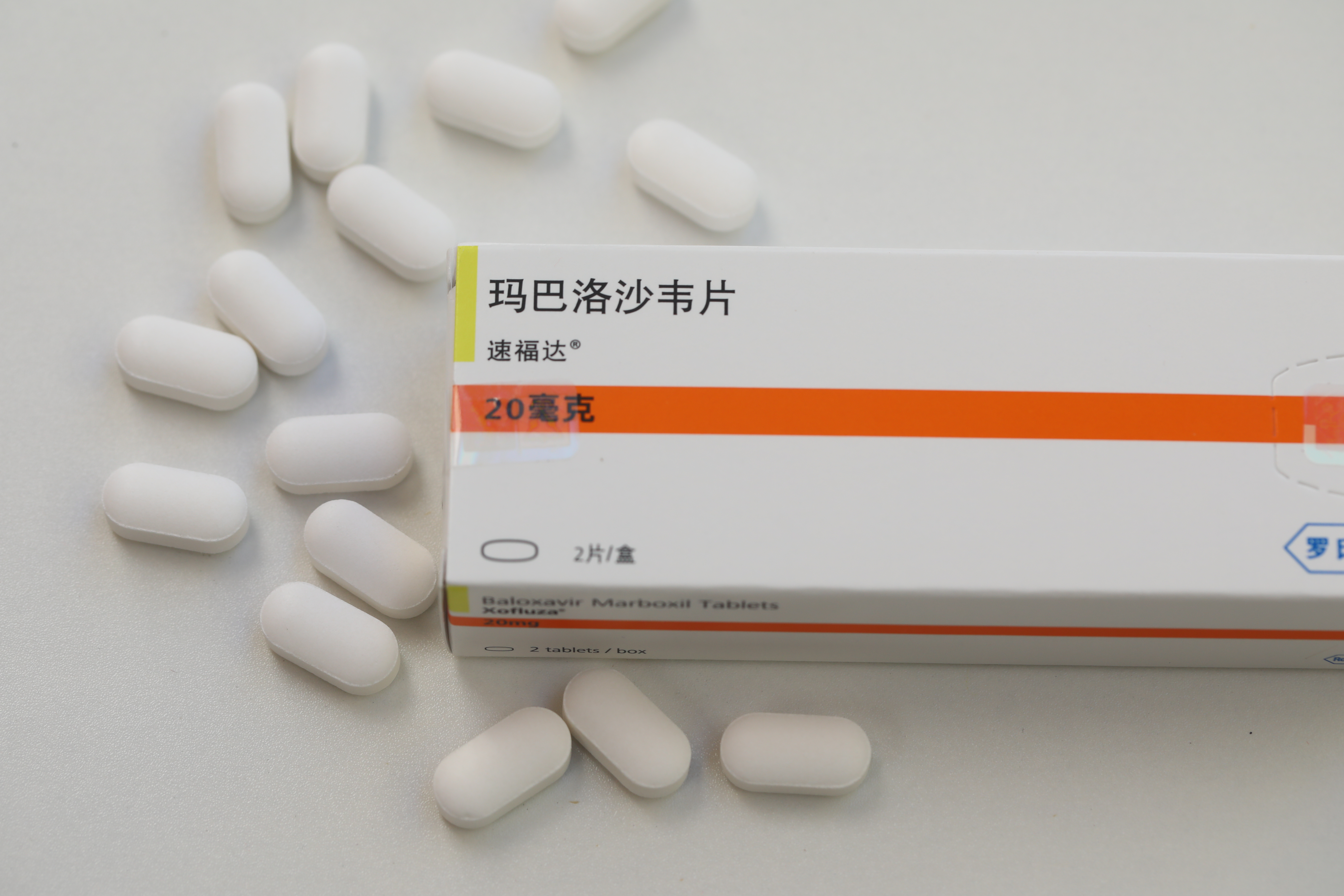
流感毒株已发生变化
第一财经· 2025-11-11 13:12
Core Viewpoint - The article discusses the anticipated flu season in China, highlighting the expected peak in December and January, along with the current trends in flu virus strains and the availability of antiviral medications [3][4]. Group 1: Flu Season Forecast - The peak of the flu season in China is expected to occur in mid to late December and early January [3]. - Shanghai has reported a rising positive detection rate for flu, indicating the onset of the flu epidemic season [3]. Group 2: Virus Strain Variations - The dominant flu strain in Shanghai has shifted from H1N1 in the first half of the year to H3N2 in the latter half [3]. - Current strains remain highly sensitive to existing antiviral medications, including neuraminidase inhibitors and polymerase inhibitors [3]. Group 3: Antiviral Drug Availability - Hospitals in Shanghai have sufficient supplies of medications to combat respiratory infections, including azithromycin for mycoplasma infections [3]. - The price of the antiviral drug Marbalozav (Sufuda) remains stable at approximately 200 yuan for a 40mg tablet, with children's formulations priced around 250 yuan [4]. Group 4: New Domestic Antiviral Drugs - Two new domestic antiviral drugs, Masurazav (Yisuda) and Masilozav (Jikeshou), have been approved, both requiring only a single dose for treatment [4]. - The prices for these new drugs are lower than Marbalozav, with Jikeshou priced at about 160 yuan for a 40mg tablet and Yisuda at 200 yuan for two 20mg tablets [4]. Group 5: Resistance Issues - Clinical studies indicate low resistance rates for the new antiviral drugs, with mutation rates for H1N1 and H3N2 strains at 0.7% and 0.9% respectively, suggesting a low risk of resistance [4].

京东健康上半年净利润同比增长27.45% 平台商家数增加约5万家
Mei Ri Jing Ji Xin Wen· 2025-08-14 14:03
Core Viewpoint - JD Health reported strong financial performance for the first half of 2025, with significant growth in revenue and profit driven by the sales of pharmaceutical and health products [1] Financial Performance - The company achieved revenue of 35.29 billion yuan, representing a year-on-year growth of 24.5% [1] - Operating profit reached 2.13 billion yuan, marking a substantial increase of 105.5% year-on-year [1] - Net profit attributable to shareholders was 2.60 billion yuan, reflecting a year-on-year growth of 27.45% [1] Business Segments - JD Health's revenue growth was primarily fueled by the sales of pharmaceutical and health products, which increased by 22.7% to 29.3 billion yuan compared to the same period last year [1] - The company launched over 30 innovative drugs online in the first half of the year, including weight loss drug Xin'ermei and hypertension treatment drug Xinchao Tuo [1] User Engagement and Platform Growth - As of June 30, 2025, the number of merchants on JD Health's platform exceeded 150,000, an increase of over 50,000 since December 31, 2024 [1] - The annual active user count surpassed 200 million, with an average of over 500,000 consultations per day in the first half of the year [1]
京东健康2025年上半年Non-IFRS净利润达35.7亿元
Qi Lu Wan Bao Wang· 2025-08-14 12:51
Core Insights - JD Health reported a total revenue of RMB 35.3 billion for the first half of 2025, representing a year-on-year growth of 24.5%, with a Non-IFRS net profit of RMB 3.57 billion, up 35% [1] - The company has surpassed 200 million annual active users and has over 150,000 third-party merchants on its platform [1] - JD Health is enhancing its supply chain capabilities and solidifying its position as the leading online health consumption platform [1][3] Financial Performance - Total revenue for the first half of 2025 reached RMB 35.3 billion, a 24.5% increase compared to the previous year [1] - Non-IFRS net profit was RMB 3.57 billion, reflecting a 35% year-on-year growth [1] User Engagement and Market Position - As of June 30, 2025, JD Health has over 200 million annual active users and more than 150,000 third-party merchants [1][3] - The average daily consultation volume at JD Internet Hospital exceeded 500,000 [5][6] Supply Chain and Product Offerings - JD Health is strengthening its omni-channel supply chain capabilities, collaborating with leading pharmaceutical companies to expand product offerings [3] - The company launched over 30 innovative drugs online, reinforcing its position as the first stop for new specialty drugs [3][4] Service Integration and Healthcare Model - JD Health is enhancing its "medical, testing, diagnosis, and medication" service loop, focusing on personalized health needs [5][6] - The company has developed a five-specialty system in areas such as dermatology and mental health, providing tailored treatment plans [6] Technological Innovation - JD Health is leveraging AI technology to enhance healthcare services, with over 50 million users served by its AI products [7] - The company has introduced AI-driven solutions for both patients and healthcare professionals, improving service efficiency [7] Social Responsibility and Market Trends - JD Health is actively involved in social responsibility initiatives, supporting rare disease patients and disaster relief efforts [8] - The company is positioned to capitalize on the growing health consumption market as public health awareness increases [8] Future Outlook - JD Health aims to deepen its omni-channel layout and enhance the accessibility of health products and services [9] - The company plans to expand its professional resources and further integrate AI applications in healthcare services [9]