品牌发展路径分歧

Search documents
250亿美金服饰巨头,卷入夺权大战
3 6 Ke· 2026-01-11 07:16
Core Viewpoint - A power struggle has intensified at lululemon, initiated by founder Chip Wilson, who has nominated three independent board candidates targeting the current board's strategic decision-making capabilities [1][2][6]. Company Developments - Chip Wilson, the largest independent shareholder with approximately 9% ownership, has publicly criticized the management for being overly focused on mainstream tastes and lacking innovation [3][5]. - The situation escalated as activist investment fund Elliott Investment Management entered the fray, holding over $1 billion in shares and becoming involved in corporate governance [6]. - lululemon is currently facing significant challenges, including a 52% drop in stock price over the year and declining performance in its core North American market [7][16]. Leadership Changes - CEO Calvin McDonald announced his resignation effective January 31, 2026, just 18 days before Wilson's board nominations [2][9]. - Under McDonald's leadership, lululemon's revenue grew from $3.3 billion to $10.6 billion, and the number of stores expanded from over 400 to 796 [10]. Market Performance - In the third quarter of fiscal year 2025, lululemon's net revenue in mainland China surged by 46% year-over-year to $465.4 million, making it the second-largest market after the U.S. [12][13]. - However, the company's net profit declined by 12.8% year-over-year, and comparable sales fell by 5%, indicating struggles in the North American market [16]. Strategic Disputes - The core conflict between Wilson and the current management revolves around the brand's development path: whether to focus on the original "super girl" strategy or to continue the current broad category expansion [17][20]. - Wilson's concerns include the dilution of lululemon's brand identity and quality due to mass-market strategies, which he believes could alienate core customers [21]. Future Outlook - The outcome of the board elections and the selection of a new CEO will be critical in determining lululemon's direction and ability to recover from its current challenges [20][22]. - Regardless of who leads, lululemon cannot revert to its original niche brand status, as it has evolved into a $25 billion apparel giant [23][24].


250亿美金,lululemon卷入夺权大战
36氪· 2026-01-05 09:19
Core Viewpoint - A power struggle has erupted at lululemon, initiated by founder Chip Wilson, who has nominated three independent board candidates targeting the current board's strategic decision-making capabilities [5][6][10]. Group 1: Power Struggle and Leadership Changes - Chip Wilson, holding approximately 9% of lululemon's shares, has publicly criticized the management for being overly focused on mainstream tastes and lacking innovation [7][9]. - The situation escalated after the announcement that CEO Calvin McDonald would step down on January 31, 2026, leading to a nearly 10% stock price increase, reflecting investor disappointment with current strategies [11][15]. - Wilson's actions are compounded by the involvement of Elliott Investment Management, a prominent activist fund, which has invested over $1 billion and engaged in corporate governance [10][11]. Group 2: Financial Performance and Market Dynamics - lululemon has faced significant challenges, including a 12.8% decline in net profit year-over-year and a 2% drop in core market revenue in the Americas [22]. - The company's stock price has fallen over 52% in 2025, resulting in a market capitalization loss exceeding $20 billion, primarily due to declining performance in the North American market [23]. - Despite these challenges, lululemon's revenue in mainland China surged by 46% year-over-year, reaching $465 million in the third quarter of the 2025 fiscal year, making it the second-largest market after the U.S. [18][17]. Group 3: Strategic Direction and Brand Identity - The conflict between Wilson and the current management reflects a fundamental disagreement over lululemon's growth strategy: whether to maintain a focus on the "super girl" niche or to continue the broad category expansion initiated by McDonald [25][28]. - Wilson argues that the brand's core strength lies in differentiation rather than mass appeal, warning that attempts to please everyone could alienate core customers [28][29]. - The brand's identity has shifted from a niche community brand to a $25 billion apparel giant, with changing market expectations and competitive landscapes [31][32].
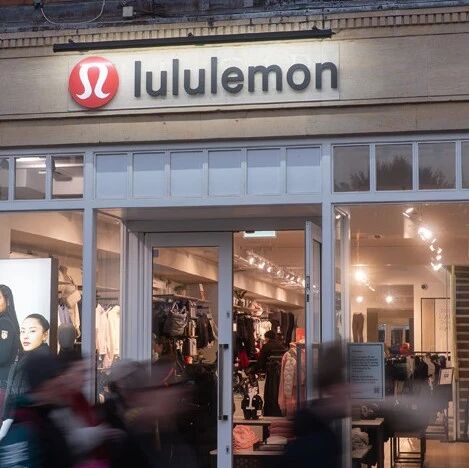
「县城贵妇」追捧的服饰巨头,卷入250亿美金夺权大战
36氪未来消费· 2026-01-03 12:00
Core Viewpoint - A power struggle has erupted at lululemon, initiated by founder Chip Wilson, who has nominated three independent board candidates to challenge the current board's strategic decision-making ahead of the 2026 shareholder meeting [3][4][5]. Group 1: Background and Context - The conflict escalated shortly after lululemon announced CEO Calvin McDonald would step down on January 31, 2026, leading to a significant public and market reaction [4][12]. - Wilson, holding approximately 9% of lululemon's shares, has been critical of the management's approach, claiming it has overly catered to mainstream tastes and stifled innovation [5][7]. - The involvement of Elliott Investment Management, a prominent activist fund, has intensified the situation, with over $1 billion in shares and a focus on corporate governance [8]. Group 2: Financial Performance and Market Position - lululemon has faced significant challenges, including a 52% drop in stock price over the year, resulting in a market value loss exceeding $20 billion [22]. - The company reported a 12.8% decline in net profit for the third quarter of fiscal year 2025, with core market revenues in North America decreasing by 2% [21]. - Despite these challenges, lululemon's revenue in mainland China surged by 46% year-over-year, reaching $465 million, making it the second-largest market after the U.S. [17][15]. Group 3: Strategic Divergence - The core conflict between Wilson and the current management revolves around the brand's strategic direction: whether to maintain a focus on the "super girl" niche or to continue the broad category expansion initiated by McDonald [24][27]. - Wilson argues that the brand's identity is at risk due to a shift towards mass appeal, which he believes dilutes its core value proposition [28]. - The outcome of the upcoming CEO selection and board elections will be crucial in determining lululemon's future direction and ability to navigate its current challenges [29].