
品牌空心化

Search documents
餐饮被谁卷死了?
3 6 Ke· 2025-11-20 01:58
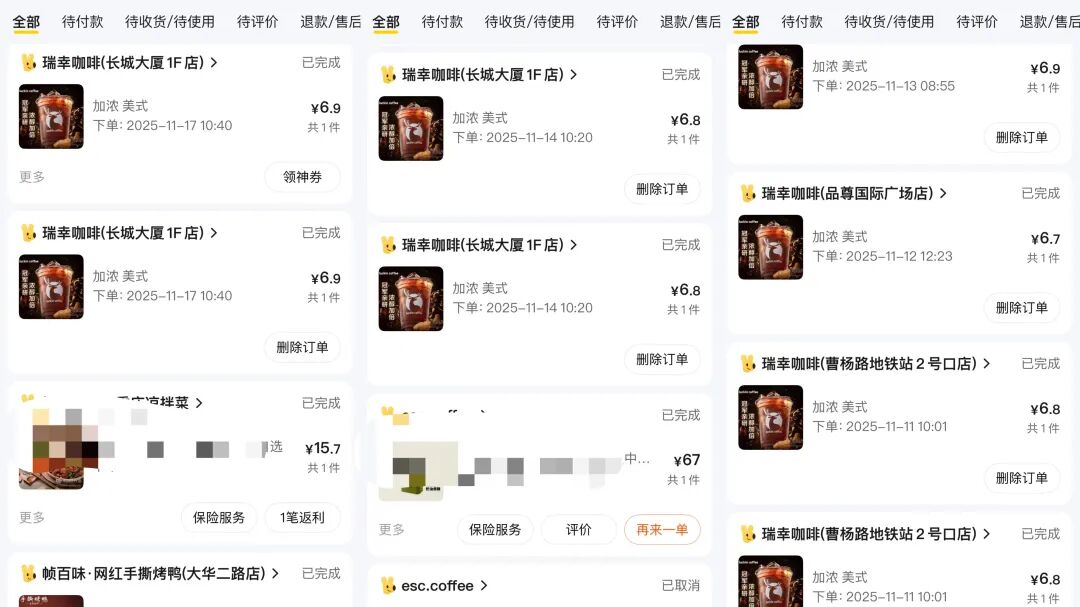
Core Insights - The Chinese restaurant industry is experiencing a paradox where increased customer traffic and delivery orders do not translate into profitability, with average dining prices reverting to levels seen a decade ago [1][3][5] Group 1: Industry Competition - The competition in the restaurant industry has intensified, leading to a "death spiral" of price wars, where businesses are forced to lower prices to attract customers, often at the expense of profitability [2][7] - Major players like Luckin Coffee are redefining consumer price perceptions, with aggressive pricing strategies such as offering coffee for as low as 6.9 yuan, which disrupts traditional pricing models [3][5] - This price competition has a cascading effect on the supply chain, reducing profits for suppliers and extending the payback period for franchisees, ultimately leading to lower wages for employees [5][7] Group 2: Brand and Product Strategy - The focus on creating "hit products" or trendy offerings has become a primary strategy for brands, but this approach risks diluting brand identity and long-term value [8][10] - Luckin Coffee exemplifies this trend, achieving record sales through collaborations and viral marketing, yet this success is based on short-term tactics rather than sustainable brand building [10][11] - The shift from creating quality products to chasing fleeting trends results in a loss of deeper brand narratives and consumer loyalty, leading to "brand hollowing" [11][12] Group 3: Economic Challenges - The restaurant industry faces inherent structural challenges, with fixed costs such as rent, labor, and ingredients limiting operational efficiency improvements [14][16] - As prices approach the cost of ingredients, further efficiency gains may compromise product quality, leading to a scenario where businesses operate at a loss [16] - The competitive landscape is shifting, with traditional barriers to entry becoming less effective, as capital-driven strategies dominate over brand loyalty and consumer value [17][19] Group 4: Talent and Workforce Issues - The pressure of competition is disproportionately affecting small and medium-sized businesses, leading to a significant increase in closure rates, with a 23% rise in restaurant closures expected by mid-2025 [21] - The industry is witnessing a talent drain, as experienced professionals leave due to inadequate income and career prospects, undermining the foundation of the sector [20][22] Group 5: Conclusion - The current state of the restaurant industry reflects a broader societal issue of overproduction and inefficient economic systems, which compel businesses to engage in relentless competition [23][24] - A fundamental reevaluation of economic logic is necessary to address the ongoing challenges and prevent further erosion of brand value and industry stability [27]


为什么我们不再相信“第一”?
Hu Xiu· 2025-09-22 07:39
Core Viewpoint - The article discusses the phenomenon of "brand hollowing," where companies superficially engage in branding without genuine substance or innovation, leading to a lack of authenticity and competitive edge [6][9][12]. Group 1: Brand Perception and Strategy - Many companies that claim branding is ineffective are often benefiting from the branding efforts of others or are small startups lacking resources [2][3]. - Established companies recognize the necessity of branding as they reach a certain scale, where market competition demands comprehensive capabilities across various functions [4][5]. - The superficial aspects of branding, such as logos and endorsements, often mask a lack of genuine innovation and product development [6][7][8]. Group 2: Authenticity and Consumer Connection - The article emphasizes that true brand strength comes from authenticity and real experiences, rather than just marketing hype [15][20]. - Successful brands, like Apple and Nike, focus on solving significant industry challenges and creating impactful products, which naturally establishes their leadership [15][16]. - Consumers value real stories and experiences over mere labels, as authenticity fosters deeper emotional connections [20][23]. Group 3: Challenges and Opportunities - The current marketing landscape is saturated with brands claiming superiority without substantial backing, making it easy for competitors to imitate [12][13]. - Companies often struggle to produce genuine marketing materials because they lack real innovation and product development [14][24]. - Investing in genuine research, development, and user engagement can significantly reduce brand anxiety and enhance consumer loyalty [25][26].