四方安全对话(Quad)

Search documents
通话后,高市都笑裂了,特朗普转头就见驻华大使
Xin Lang Cai Jing· 2026-01-03 03:48
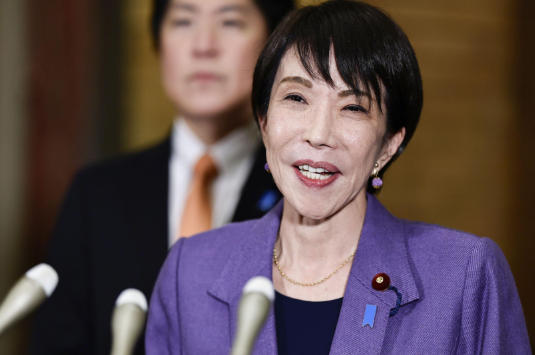
Core Viewpoint - Japan's Prime Minister, Sanna Takashi, expressed excitement after a phone call with U.S. President Trump, highlighting the importance of U.S.-Japan relations amid regional tensions, particularly concerning China [1][2][4]. Group 1: Phone Call Details - The phone call between Trump and Takashi lasted over 20 minutes and was the first since November of the previous year [4]. - During the call, they discussed deepening the U.S.-Japan alliance by 2026 and enhancing cooperation in economic and security fields [4]. - Takashi congratulated Trump on the 250th anniversary of the United States and expressed respect for U.S. diplomatic efforts regarding the Russia-Ukraine conflict [4]. Group 2: Regional Tensions and Implications - The discussions included opinions on the "Indo-Pacific region," with an implied reference to China, although specific details regarding China were not disclosed [4]. - Takashi's previous comments regarding the Taiwan Strait as a "crisis situation" have escalated tensions between Japan and China [6]. - Japan's government has been actively seeking U.S. support amid concerns over China's military activities, as indicated by Takashi's desire for a summit with Trump [7]. Group 3: Diplomatic Context - Following the call, Trump was scheduled to meet with U.S. Ambassador to China, David Perdue, indicating ongoing diplomatic engagements [5]. - The Japanese government has been vocal about its concerns regarding China's military exercises, aligning with U.S. and allied positions [8].

谁才是印度的真正靠山?夏尔马称不是俄罗斯,特朗普准备惩罚中国
Sou Hu Cai Jing· 2025-08-10 06:30
Core Points - Trump recently announced a tariff increase of up to 25% on India, leading to a cumulative tariff rate of 50% on Indian products exported to the U.S. [1] - India is facing pressure to respond to the U.S. tariffs while also mitigating the economic impact of these tariffs [1] Group 1: India's Response - The Indian government issued a strong protest through diplomatic channels, criticizing the U.S. for its double standards regarding energy imports from Russia [3] - India has decided to continue sending officials to Russia to express its opposition to Trump's tariff policy, although it has already reduced its oil imports from Russia [5] - Some Indian economists suggest that India should look to strengthen ties with China as a strategic partner in response to U.S. tariffs, despite ongoing border disputes [6] Group 2: Strategic Considerations - Prime Minister Modi is at a critical juncture, needing to recognize that India's true strength should come from within rather than relying on external powers [8] - The current international landscape requires India to reassess its position and develop a strategy that protects its interests while allowing for steady development on the global stage [8] - Observing China's response to U.S. threats may provide India with insights on how to navigate complex international relations [8]