自由开放的印太地区

Search documents
又盯上中国?日本拉太平洋岛国防长开会,专家解读
Huan Qiu Shi Bao· 2026-02-23 22:49
Group 1 - Japan's Defense Minister announced a new initiative to invite young and mid-level defense officials from Pacific island nations to Japan starting in the fiscal year 2026, aiming to enhance cooperation in various fields including cybersecurity due to China's increasing presence in the South Pacific [1] - The "Japan-Pacific Island Defense Ministers' Meeting" is the third of its kind since 2021, focusing on strengthening collaboration to achieve a "free and open Indo-Pacific" [1] - The participation of seven ASEAN countries as observers marks a strategic shift, integrating the Pacific Islands with Southeast Asia in Japan's defense narrative, reflecting a dual extension of Japan's defense strategy [2] Group 2 - Japan's recent actions in the Pacific Islands have shifted from economic aid to defense cooperation, including the provision of defense equipment and educational support from the Self-Defense Forces [2] - The plan to invite defense officials for training and standardization aims to align the defense systems of Pacific island nations with Japan and its allies, indicating a strategic shift towards a more organized defense collaboration [3] - This move is seen as an attempt to elevate Japan's role from a participant in regional security to an organizer, while also intensifying the militarization of security issues in the South Pacific, potentially overshadowing critical topics like climate change and development [3]

日英将合作确保关键矿物
日经中文网· 2026-02-02 03:10
Group 1 - The core viewpoint of the article emphasizes the strengthening of Japan-UK bilateral relations in response to geopolitical challenges, particularly concerning China and North Korea, and the importance of a "free and open Indo-Pacific" [2][4] - Japan and the UK have agreed to collaborate on securing critical mineral supply chains to counter China's tightening of rare earth export controls [2][5] - The leaders highlighted the interconnectedness of security in the Atlantic and Indo-Pacific regions, with Japan-UK cooperation symbolizing this relationship [4][5] Group 2 - Both leaders agreed to hold foreign and defense minister-level consultations (2+2 talks) and confirmed progress on the joint development of next-generation fighter jets, marking Japan's first large defense equipment production collaboration with a country other than the US [5] - The discussions included cooperation in advanced technology fields such as artificial intelligence (AI) and quantum technology [5] - The UK Prime Minister invited the Japanese Prime Minister to visit Chequers, the official country residence of the UK Prime Minister [5]

日本开年密集外交搞了哪些小动作
Xin Lang Cai Jing· 2026-01-18 18:28
Core Viewpoint - Japan's recent diplomatic activities, termed "Diplomatic Week" by local media, are seen as efforts by Prime Minister Fumio Kishida's government to promote a narrative of "Indo-Pacific" security threats, aiming to accelerate military expansion and weapon exports, which raises concerns among regional nations [1][4]. Group 1: Diplomatic Activities - Prime Minister Kishida emphasized the importance of strengthening Japan-South Korea and Japan-U.S.-South Korea cooperation during a meeting with South Korean President Lee Jae-myung, citing a "deteriorating strategic environment" [2]. - During a meeting with Italian Prime Minister Giorgia Meloni, Kishida promoted the concept of a "free and open Indo-Pacific" and proposed joint training between the Japanese Self-Defense Forces and the Italian military, as well as accelerating the development of a new generation of fighter jets in collaboration with the UK and Italy [2]. - Foreign Minister Toshimitsu Motegi's visits to the Philippines and India focused on promoting the "free and open Indo-Pacific" narrative, signing a quasi-military agreement with the Philippines and advocating for stronger Japan-U.S.-Australia-India cooperation [2]. Group 2: Military Expansion - Japan's government is using the narrative of "regional security threats" to justify military expansion, with the defense budget for fiscal year 2026 reaching a record high of 9.04 trillion yen, which includes a significant increase in funding for enhancing security capabilities [5]. - The government aims to meet a target of defense spending at 2% of GDP two years ahead of schedule and plans to revise key security documents by the end of 2026, potentially relaxing restrictions on arms exports to stimulate the domestic military industry [5]. - Critics argue that Japan's military budget reflects a shift away from its "defensive" principles, exacerbating regional tensions and raising alarms among peace-loving nations [7].
日本密集外交背后野心重重
Xin Lang Cai Jing· 2026-01-18 17:25
Group 1 - Japan's recent diplomatic activities, termed "Diplomatic Week," involve Prime Minister Kishida Fumio meeting foreign leaders to promote the "Free and Open Indo-Pacific" narrative, which is seen as a pretext for military expansion and arms exports [2][4][5] - The Japanese government is intensifying military cooperation with allies, including signing agreements with the Philippines and promoting joint military exercises with Italy and the UK, under the guise of addressing regional security threats [2][7] - The narrative of a "Free and Open Indo-Pacific" is criticized as a geopolitical strategy aimed at creating a confrontational alliance, which may destabilize the region and provoke concerns among neighboring countries [6][8] Group 2 - Japan's defense budget for the fiscal year 2026 is set at a record high of 9.04 trillion yen, with significant increases in funding for military capabilities and arms exports, particularly targeting Southeast Asian nations [7] - The government aims to revise its national security strategy and potentially relax restrictions on arms exports, which has raised alarms about Japan's shift towards militarization and its implications for regional security [7][8] - Critics argue that Japan's military spending and expansionist policies contradict its historical commitment to self-defense and could lead to increased tensions in the Asia-Pacific region [8]
国际观察|日本开年密集外交,搞了哪些小动作
Xin Lang Cai Jing· 2026-01-18 16:22
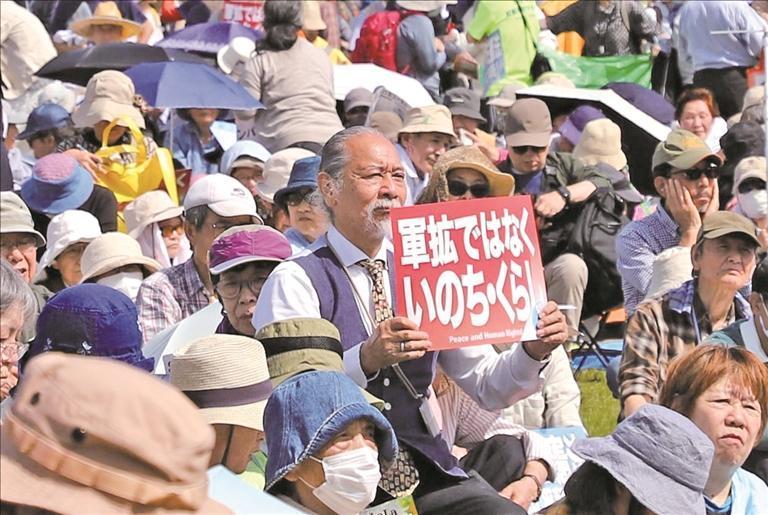
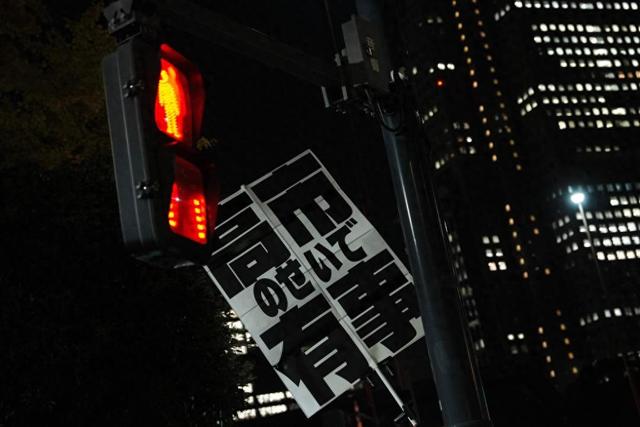
Core Viewpoint - Japan's recent diplomatic activities, termed "Diplomatic Week" by local media, are seen as efforts by Prime Minister Fumio Kishida's government to promote the "Indo-Pacific" narrative, emphasizing regional security threats to justify military expansion and arms exports [1][3]. Group 1: Diplomatic Activities - Prime Minister Kishida hosted foreign leaders, including South Korean President Yoon Suk-yeol, discussing the importance of strengthening Japan-South Korea and Japan-U.S.-South Korea cooperation due to a "deteriorating strategic environment" [3]. - Kishida promoted the concept of a "free and open Indo-Pacific" during a meeting with Italian Prime Minister Giorgia Meloni, proposing joint military training between Japan's Self-Defense Forces and Italy's military, as well as accelerating a joint fighter jet development project with the UK and Italy [3][4]. - Foreign Minister Toshimitsu Motegi's visits to the Philippines and India focused on promoting the "free and open Indo-Pacific" narrative, signing a quasi-military agreement with the Philippines and advocating for stronger Japan-U.S.-Australia-India cooperation [3][4]. Group 2: Military Expansion - Japan's government is accelerating military expansion under the guise of addressing "regional security threats," with a defense budget reaching a record high of 9.04 trillion yen for the fiscal year 2026 [8]. - The budget includes a significant increase in funding for the "Government Security Capability Enhancement Support" project, aimed at providing weapons and technology to other countries, particularly in Southeast Asia [8]. - The Kishida administration has expedited the goal of defense spending reaching 2% of GDP, revised national security strategies, and is seeking to relax restrictions on arms exports to stimulate the domestic military industry [8][10]. Group 3: Regional and Domestic Reactions - The "free and open Indo-Pacific" narrative has raised concerns among regional countries and domestic critics, who view it as a geopolitical maneuver aimed at containment and confrontation [7][10]. - Critics argue that Japan's military budget reflects a shift away from its "defensive" posture, potentially destabilizing the region and contradicting its historical pacifism [10]. - The push for military expansion has been met with protests in Japan, highlighting public opposition to the government's militarization efforts and concerns over regional stability [10].
日本开年密集外交 搞了哪些小动作
Xin Lang Cai Jing· 2026-01-18 16:22
Core Viewpoint - Japan's recent diplomatic activities, termed "Diplomatic Week," are seen as efforts by Prime Minister Fumio Kishida's government to promote a narrative of "Indo-Pacific" security threats, aiming to accelerate military expansion and weapon exports, raising concerns among regional nations [1][4]. Group 1: Diplomatic Activities - Prime Minister Kishida emphasized the importance of strengthening Japan-South Korea and Japan-U.S.-South Korea cooperation, citing a "strategic environment increasingly severe" during a meeting with South Korean President Lee Jae-myung [2]. - Kishida promoted the concept of a "free and open Indo-Pacific" during discussions with Italian Prime Minister Giorgia Meloni, proposing joint military training between Japan's Self-Defense Forces and Italy's military, as well as accelerating a joint fighter jet development project with the UK and Italy [2]. - Foreign Minister Toshimitsu Motegi's visits to the Philippines and India focused on promoting the "free and open Indo-Pacific" narrative, signing a quasi-military agreement with the Philippines and advocating for stronger Japan-U.S.-Australia-India cooperation [2]. Group 2: Military Expansion - Japan's government is using the narrative of "regional security threats" to justify military expansion, with a defense budget of 9.04 trillion yen approved for the fiscal year 2026, marking a historical high [6]. - The budget includes a significant increase in funding for the "Government Security Capability Enhancement Support" project, aimed at providing weapons and technology to other countries, particularly in Southeast Asia [6]. - Since taking office, Kishida has expedited the goal of defense spending reaching 2% of GDP, planned revisions to national security strategies, and sought to relax restrictions on arms exports to stimulate the domestic military industry [7]. Group 3: Regional and Domestic Concerns - The narrative of a "free and open Indo-Pacific" is viewed by some experts as a geopolitical maneuver aimed at containment and confrontation, potentially exacerbating regional tensions and undermining stability [5]. - Critics within Japan have labeled the defense budget as one that prioritizes military expansion over public welfare, warning that the government's militarization efforts pose serious threats to regional security [8]. - The push for arms exports and military expansion has raised alarms among peace-loving nations, with concerns that Japan's right-wing factions are attempting to revive militarization and disrupt regional peace [8].
日本开年密集外交 搞了哪些小动作
Xin Lang Cai Jing· 2026-01-18 10:11
Core Viewpoint - Japan's recent diplomatic activities are aimed at promoting a narrative of "free and open Indo-Pacific," which is perceived as a strategy to justify military expansion and strengthen alliances under the guise of regional security threats [1][4][6]. Group 1: Diplomatic Activities - Japanese Prime Minister Kishi Suga hosted foreign leaders, marking a week of intensive diplomatic engagements referred to as "Diplomatic Week" by Japanese media [1]. - During meetings with South Korean President Lee Jae-myung and Italian Prime Minister Giorgia Meloni, Kishi emphasized the importance of strengthening trilateral cooperation among Japan, South Korea, and the U.S. [2]. - Japan's Foreign Minister Motegi signed a quasi-military alliance agreement with the Philippines and promoted enhanced cooperation with India, focusing on the "free and open Indo-Pacific" narrative [2]. Group 2: Military Expansion - Japan's Defense Minister Kishi visited the U.S. to highlight regional security threats, seeking justification for increasing military capabilities [3]. - The Japanese government approved a defense budget of 9.04 trillion yen for the fiscal year 2026, marking a historical high, with significant increases in funding for arms exports and military capabilities [7]. - Japan aims to revise its National Security Strategy and potentially amend its "Three Non-Nuclear Principles," indicating a shift towards a more militarized stance [7]. Group 3: Regional and Domestic Reactions - The "free and open Indo-Pacific" narrative has raised concerns among regional and domestic observers, who view it as a geopolitical maneuver aimed at countering threats and promoting military alliances [5]. - Critics argue that Japan's military expansion undermines regional stability and contradicts its historical commitment to self-defense, with warnings that it could lead to Japan becoming a militarized state [7].
日本开年密集外交,搞了哪些小动作
Xin Lang Cai Jing· 2026-01-18 07:06
Core Viewpoint - Japan's recent diplomatic activities, termed "Diplomatic Week" by local media, are seen as efforts by Prime Minister Fumio Kishida's government to promote a narrative of "Indo-Pacific" security threats, aiming to accelerate military expansion and arms exports, which raises concerns among regional nations [1][4]. Group 1: Diplomatic Activities - Prime Minister Kishida emphasized the importance of strengthening Japan-South Korea and Japan-U.S.-South Korea cooperation during a meeting with South Korean President Lee Jae-myung, citing a "deteriorating strategic environment" [2]. - Kishida promoted the concept of a "free and open Indo-Pacific" during discussions with Italian Prime Minister Giorgia Meloni, proposing joint military training between Japan's Self-Defense Forces and the Italian military, as well as accelerating the development of a new generation of fighter jets in collaboration with the UK and Italy [2]. - Foreign Minister Toshimitsu Motegi's visits to the Philippines and India focused on promoting the "free and open Indo-Pacific" narrative, signing a quasi-military agreement with the Philippines and advocating for stronger Japan-U.S.-Australia-India cooperation [2]. Group 2: Military Expansion - Japan's government is accelerating military expansion under the guise of addressing "regional security threats," with a defense budget reaching a record high of 9.04 trillion yen for the fiscal year 2026, which includes a significant increase in funding for arms exports and technology support [6]. - The government aims to revise its National Security Strategy by the end of 2026 and is considering changes to its "Three Non-Nuclear Principles," as well as easing restrictions on arms exports to stimulate the domestic military industry [6][7]. - Critics argue that Japan's military budget reflects a shift from "defensive" to "militaristic" policies, raising alarms about regional stability and security [7].
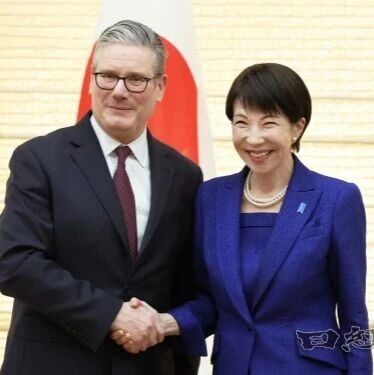
通话后,高市都笑裂了,特朗普转头就见驻华大使
Xin Lang Cai Jing· 2026-01-03 03:48
Core Viewpoint - Japan's Prime Minister, Sanna Takashi, expressed excitement after a phone call with U.S. President Trump, highlighting the importance of U.S.-Japan relations amid regional tensions, particularly concerning China [1][2][4]. Group 1: Phone Call Details - The phone call between Trump and Takashi lasted over 20 minutes and was the first since November of the previous year [4]. - During the call, they discussed deepening the U.S.-Japan alliance by 2026 and enhancing cooperation in economic and security fields [4]. - Takashi congratulated Trump on the 250th anniversary of the United States and expressed respect for U.S. diplomatic efforts regarding the Russia-Ukraine conflict [4]. Group 2: Regional Tensions and Implications - The discussions included opinions on the "Indo-Pacific region," with an implied reference to China, although specific details regarding China were not disclosed [4]. - Takashi's previous comments regarding the Taiwan Strait as a "crisis situation" have escalated tensions between Japan and China [6]. - Japan's government has been actively seeking U.S. support amid concerns over China's military activities, as indicated by Takashi's desire for a summit with Trump [7]. Group 3: Diplomatic Context - Following the call, Trump was scheduled to meet with U.S. Ambassador to China, David Perdue, indicating ongoing diplomatic engagements [5]. - The Japanese government has been vocal about its concerns regarding China's military exercises, aligning with U.S. and allied positions [8].
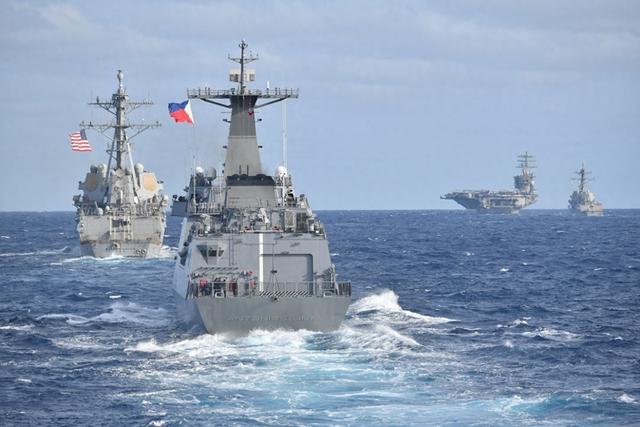
“尼米兹”号打击群在南海与日菲联合演习
Guan Cha Zhe Wang· 2025-11-19 09:57
Core Viewpoint - The U.S. Navy's Nimitz Carrier Strike Group conducted a significant multi-national naval exercise in the South China Sea with the Philippine Navy and Japan's Maritime Self-Defense Force, showcasing military presence and commitment to regional security [1][3][5]. Group 1: Exercise Details - The exercise involved a total of 9 vessels, including the U.S. Navy's nuclear-powered aircraft carrier CVN-68 Nimitz and several destroyers, as well as ships from the Philippine Navy and Japan's Maritime Self-Defense Force [3][5]. - Activities during the two-day exercise included maritime situational awareness and anti-submarine warfare, aimed at enhancing deterrence and interoperability among allied nations [5]. Group 2: Strategic Implications - The exercise is part of a broader U.S. strategy to reinforce military cooperation with Southeast Asian countries and counter China's assertive actions in the region, as indicated by U.S. Defense Secretary's commitments during ASEAN defense meetings [5]. - This marks the second joint exercise between the U.S. Navy and the Philippine military this year, following a previous exercise conducted by the CVN-70 Carl Vinson Carrier Strike Group in January [5]. Group 3: Nimitz Carrier's Deployment - The Nimitz, the oldest active aircraft carrier in the U.S. Navy, is currently on its final deployment before retirement, having been active in the Indo-Pacific region since March 21, 2023 [6]. - As of October 17, 2023, the Nimitz Carrier Strike Group has been operating in the South China Sea for over a month, with a total deployment duration exceeding 243 days [6].