国产操作系统

Search documents
怡亚通涨0.58%,成交额3.23亿元,近3日主力净流入-4834.48万
Xin Lang Cai Jing· 2026-02-27 07:35
Core Viewpoint - The company, Yiatong, is focusing on the semiconductor industry and has established itself as a significant player in the storage chip market, leveraging partnerships with major semiconductor manufacturers to enhance its product offerings and market position [2][3]. Company Overview - Yiatong Supply Chain Co., Ltd. is located in Longgang District, Shenzhen, Guangdong Province, and was established on November 10, 1997. It was listed on November 13, 2007. The company's main business involves supply chain management services, with revenue composition as follows: 76.73% from distribution and marketing, 20.25% from cross-border and logistics services, and 3.27% from brand operation [9]. Financial Performance - For the period from January to September 2025, Yiatong reported a revenue of 52.263 billion yuan, representing a year-on-year decrease of 10.57%. The net profit attributable to the parent company was 35.1949 million yuan, down 42.56% year-on-year [9]. Market Position and Strategy - Yiatong has strategically focused on the semiconductor sector, integrating upstream and downstream resources in the industry. The company has returned to original factory wafer procurement and is one of the few manufacturers with capabilities in both NAND and DRAM sectors, aiming to meet the growing demand in smart and internet-related fields [2][3]. Partnerships and Product Offerings - The company has built a comprehensive supply chain system for storage agent business, establishing solid partnerships with leading semiconductor manufacturers such as Micron, Kioxia, and Toshiba. Yiatong's semiconductor division provides a range of products including SSDs, DRAM, PSSD, PHDD, HDD, and storage cards, showcasing its competitive edge in global brand operations [3]. Shareholder Information - As of September 30, 2025, Yiatong's top ten circulating shareholders include Hong Kong Central Clearing Limited and Southern CSI 1000 ETF, with notable changes in shareholding compared to the previous period [10].

怡亚通涨1.74%,成交额4.79亿元,近5日主力净流入-2440.87万
Xin Lang Cai Jing· 2026-02-25 08:00
Core Viewpoint - The company Yiatong is actively involved in the semiconductor industry and has strategic partnerships in various technology sectors, including 5G and cloud computing, indicating a focus on innovation and market demand [2][3]. Group 1: Company Overview - Yiatong is a supply chain management company based in Shenzhen, established in November 1997 and listed in November 2007, with a primary business focus on distribution and marketing (76.73%), cross-border and logistics services (20.25%), and brand operation (3.27%) [8]. - As of December 11, the company had a total market capitalization of 136.34 billion yuan, with a trading volume of 4.79 billion yuan and a turnover rate of 3.51% [1]. Group 2: Financial Performance - For the period from January to September 2025, Yiatong reported a revenue of 52.263 billion yuan, representing a year-on-year decrease of 10.57%, while the net profit attributable to shareholders was 35.1949 million yuan, down 42.56% year-on-year [8]. - The company has distributed a total of 1.286 billion yuan in dividends since its A-share listing, with 109 million yuan distributed over the past three years [8]. Group 3: Industry Position and Strategic Focus - Yiatong's subsidiary, Junzhi Group, is a leading provider of mobile communication transmission solutions in China, focusing on products applicable to various communication technologies, including 5G [2]. - The company has shifted its focus to the semiconductor industry, integrating upstream and downstream resources, and has become a notable player in NAND and DRAM module manufacturing [2][3]. - Yiatong's subsidiary, Zhuoyou Technology, is developing advanced products and solutions in data centers, network security, and cloud platforms, indicating a commitment to meeting growing customer demands in the computing power sector [3].
怡亚通跌0.39%,成交额2.60亿元,近3日主力净流入-4576.43万
Xin Lang Cai Jing· 2026-02-12 07:14
Core Viewpoint - The company Yiatong is focusing on the semiconductor industry and has established a strong supply chain for storage products, while also being involved in the mobile communication solutions sector through its investment in Junzhi Group. Group 1: Company Overview - Yiatong is a supply chain management service provider based in Shenzhen, China, with its main business revenue composition being 76.73% from distribution and marketing, 20.25% from cross-border and logistics services, and 3.27% from brand operation [9]. - The company was founded on November 10, 1997, and was listed on November 13, 2007 [9]. Group 2: Financial Performance - For the period from January to September 2025, Yiatong achieved operating revenue of 52.263 billion yuan, a year-on-year decrease of 10.57%, and a net profit attributable to shareholders of 35.1949 million yuan, down 42.56% year-on-year [9]. - The company has distributed a total of 1.286 billion yuan in dividends since its A-share listing, with 109 million yuan distributed in the last three years [9]. Group 3: Industry Position and Partnerships - Yiatong's investment in Junzhi Group, a leading mobile communication transmission solution provider, allows it to offer products applicable to various communication technologies including 2G, 3G, 4G, 5G, and NBIOT [2]. - The company has built a comprehensive supply chain system for storage products, collaborating with major semiconductor manufacturers such as Micron, Kioxia, and Toshiba, providing various storage solutions including SSDs and DRAM [2][3]. Group 4: Market Activity - On February 12, Yiatong's stock price fell by 0.39%, with a trading volume of 260 million yuan and a turnover rate of 1.94%, resulting in a total market capitalization of 13.349 billion yuan [1]. - The stock has seen a net outflow of 12.7408 million yuan from main funds, indicating a trend of reduced investment over the past three days [5][6].
怡亚通跌0.38%,成交额4.38亿元,后市是否有机会?
Xin Lang Cai Jing· 2026-02-06 07:47
Core Viewpoint - The company Yiatong is involved in various sectors including supply chain management, semiconductor storage, and computing solutions, with a focus on domestic and international partnerships to enhance its market position and product offerings [2][3][4]. Company Overview - Yiatong Supply Chain Co., Ltd. is located in Longgang District, Shenzhen, Guangdong Province, and was established on November 10, 1997. It was listed on November 13, 2007. The main business involves supply chain management services, with revenue composition as follows: 76.73% from distribution and marketing, 20.25% from cross-border and logistics services, and 3.27% from brand operation [8]. - As of December 11, the number of shareholders is 150,200, with an average of 17,290 circulating shares per person. For the period from January to September 2025, the company achieved operating revenue of 52.263 billion yuan, a year-on-year decrease of 10.57%, and a net profit attributable to shareholders of 35.1949 million yuan, down 42.56% year-on-year [8]. Business Segments - The company has a stake in the Hong Kong-listed Junzhi Group (01300.HK), a leading provider of mobile communication transmission solutions, with products covering various communication technologies including 2G, 3G, 4G, 5G, and NBIOT [2]. - Yiatong's subsidiary, Zhuoyou Technology, focuses on computing power services, providing advanced products and solutions across multiple fields such as data centers, network security, and cloud platforms. The company has established long-term partnerships with industry players like Hongmeng [3]. - In the storage agency business, Yiatong has built a supply chain system covering major international storage providers and maintains solid partnerships with leading semiconductor manufacturers, offering a range of storage products [4]. Market Activity - On February 6, Yiatong's stock fell by 0.38%, with a trading volume of 438 million yuan and a turnover rate of 3.24%, bringing the total market capitalization to 13.478 billion yuan [1]. - The main net inflow of funds today was 11.1353 million yuan, accounting for 0.03% of the total, with the industry ranking at 6 out of 28 [5]. Technical Analysis - The average trading cost of the stock is 5.55 yuan, indicating some accumulation activity, although the strength of this accumulation is weak. The current stock price is near a resistance level of 5.29 yuan, suggesting caution against potential pullbacks [7].
国产 OS 格局有大变?华为鸿蒙/欧拉、阿里云、中兴新支点通过安全可靠测评
程序员的那些事· 2026-01-17 15:59
Core Viewpoint - Huawei's HarmonyOS desktop operating system and Huawei Cloud's Euler server operating system have passed the security reliability assessment, allowing entry into critical industries such as government and finance [1][3]. Group 1: Assessment Results - The assessment was conducted based on the national "Security Reliability Assessment Work Guide V3.0," with results valid for three years [3]. - HarmonyOS desktop system is the only one to receive a Level II security rating, indicating a higher level of independent development and security [3]. - Euler server system received a Level I certification, suitable for enterprise-level core scenarios [3]. Group 2: Industry Context - Huawei's Kirin chip has previously obtained a Level II certification, and the passing of both systems signifies Huawei's achievement of a "chip + operating system" full-stack domestic closed loop, strengthening the data security defense from the ground up [3]. - Other systems that passed the assessment include Tongxin desktop operating system, Alibaba Cloud server operating system, and ZTE's New Pivot server operating system [3][4].

从概念到现实:鸿蒙电脑仅用半年完成“关键一跃”
Huan Qiu Wang· 2025-12-29 08:28
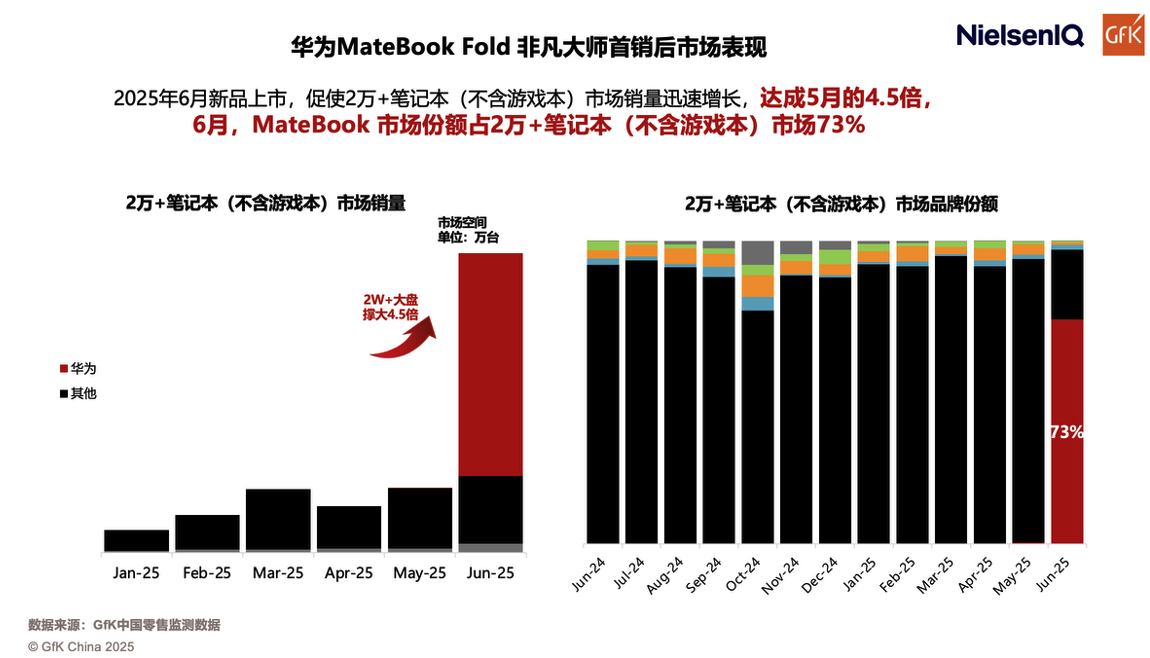
Core Insights - The key term for the PC industry in 2025 is "Harmony Computer," marking a significant transition from concept to a fully realized product in the high-end PC market [1][14] - Harmony Computers represent a new solution path for the industry, focusing on "ecological collaboration + intelligent experience" [1] Market Performance - The launch of Huawei's MateBook Fold and MateBook Pro in May 2025 led to a 4.5 times increase in sales of high-end laptops priced above 20,000 yuan in June, capturing a market share of 73% [4] - This performance indicates a genuine demand among high-end users, rather than reliance on brand sentiment [4] International Recognition - Harmony Computers were recognized at the Summer Davos Forum in June 2025 as the official office support devices, demonstrating their reliability and capability in high-stakes environments [6] Software Innovations - HarmonyOS 6, released in October 2025, introduced a new intelligent framework, enhancing the smart office experience with features like "Xiao Yi Deep Research," "Smart File Management," and "Phone-Computer Touch" [6][10] - The "Xiao Yi Deep Research" feature acts as a personal research assistant, capable of information retrieval and content generation through natural language dialogue [7] Cross-Device Integration - The "Touch" feature simplifies interaction between devices, allowing users to transfer content seamlessly without pairing or dragging, enhancing productivity for Huawei device users [11][13] Security and User Experience - Harmony Computers incorporate the "Star Shield Security Architecture," providing multi-layer protection for user data and privacy, addressing core concerns for PC users [13] - The hardware design of the MateBook Fold and MateBook Pro caters to high-end business needs and creative professionals, respectively [13] Future Outlook - The launch of Harmony Computers signifies a systemic transformation in the PC industry, leveraging AI to reconstruct office processes and expand ecological compatibility [14] - As of now, Harmony Computers have achieved compatibility with over 1,500 standard peripherals and 700 non-standard peripherals, indicating a broad application across various scenarios [14]
万千星光,共筑鸿蒙:开发者亲述为何选择与同行?
Xin Lang Cai Jing· 2025-12-23 02:33
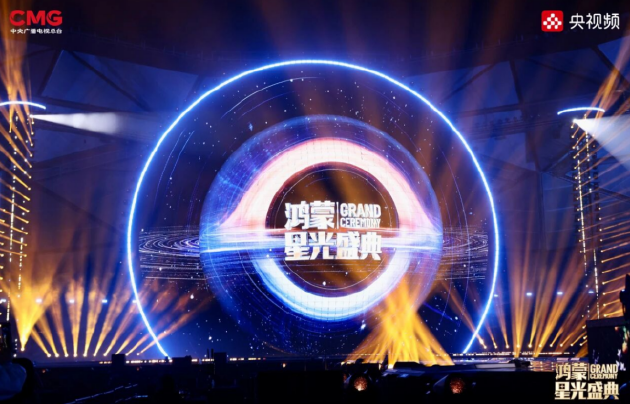
Core Viewpoint - The "Harmony Starry Night" event showcased the development of the Harmony operating system, emphasizing its role as a necessary option for China's tech industry to break free from reliance on foreign technology and embrace a future of interconnected devices [2][3][4]. Group 1: Event Overview - The "Harmony Starry Night" event was broadcasted on December 20, 2025, after being postponed due to a fire incident in Hong Kong, highlighting the importance of respect for life and community [2]. - The event featured a stage design that illustrated a future intelligent world, utilizing 3,065 curved screens along with AR and AI technologies to depict a seamless, interconnected environment [2]. Group 2: Harmony OS Development - Harmony OS was developed to address the limitations of existing operating systems, which have historically been dominated by Windows, Android, and iOS, creating a need for a new system that can integrate various smart devices [3][4]. - The system aims to serve as a foundational platform for all smart devices, facilitating a comprehensive smart experience across different device categories [3]. Group 3: Ecosystem and Developer Engagement - The growth of Harmony OS reflects a collective effort from numerous developers and companies, showcasing a collaborative ecosystem that is essential for the success of domestic operating systems [4][10]. - Developers have reported positive experiences with Harmony OS, citing efficient problem-solving and support from the Harmony team, which has accelerated the development of applications [11][12]. Group 4: User Adoption and Market Impact - As of now, Harmony OS has over 32 million devices and more than 300,000 applications, indicating a significant increase in user acceptance and integration into daily life [19][20]. - The rapid iteration and improvement of applications within the Harmony ecosystem have led to a noticeable increase in user engagement and satisfaction, with some applications achieving millions of downloads [12][14]. Group 5: Future Outlook - The Harmony OS is positioned to transition from being a follower to a leader in the operating system market, with expectations that it will set new standards for user experience and functionality [14][19]. - The collaborative nature of the Harmony ecosystem is seen as a key factor in its potential to thrive, as it relies on the contributions of countless developers to build a robust and innovative platform [20].
从可用迈向成熟好用,鸿蒙进入规模化发展新阶段
财联社· 2025-12-22 12:01
Core Viewpoint - The narrative of China's self-operated operating system is gradually taking shape, with the Harmony ecosystem achieving significant milestones in user adoption and developer engagement [1][4][15]. Group 1: Ecosystem Growth - The number of devices running Harmony 5 and Harmony 6 has surpassed 32 million, with over 10 million registered developers and daily application downloads exceeding 8.8 million [1][4]. - The Harmony ecosystem is entering a new phase of scaled development, supported by major applications like WeChat and a rapid increase in mid-tail applications [3][6]. - The growth rate of Harmony devices is remarkable, with the number of devices increasing from 0 to 10 million in nearly 10 months, and from 10 million to 20 million in just over 2 months [4][11]. Group 2: Technological Advancements - Harmony's core technologies have been mastered, marking a significant step in China's technological self-reliance and innovation [4][13]. - The ecosystem now boasts over 350,000 applications and services, with major applications fully adapted to Harmony, covering 99.9% of consumer usage time [6][15]. - The introduction of new terminal products, such as the Huawei Mate 80 series and Mate X7, signifies a milestone in the maturity of the Harmony ecosystem, providing users with reliable alternatives to Android and iOS [11][12]. Group 3: Industry Impact - Harmony is driving a trillion-level digital economy market, with over 70 industry-specific versions of the open-source Harmony operating system launched [15]. - The technology innovations from Harmony are enabling developers to transition from being "ecosystem followers" to "rule makers," reshaping the software industry landscape [13][15]. - The collaborative ecosystem is essential for continuous growth, emphasizing that ecological construction is a process of shared development and innovation [12][15].
这场鸿蒙星光盛典,把国产操作系统“能行”的底气说透了
凤凰网财经· 2025-12-21 12:43
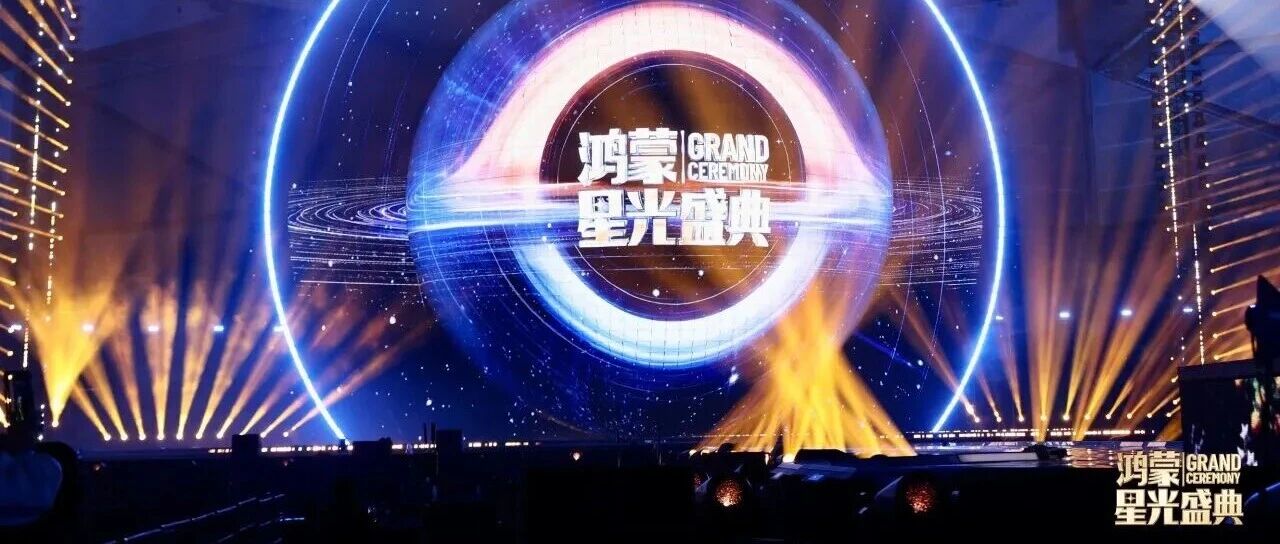
Core Viewpoint - The article emphasizes the significance of the HarmonyOS ecosystem as a representation of China's technological self-reliance and innovation, showcasing the collaborative efforts of various sectors in building a robust digital infrastructure [3][15][18]. Group 1: Event Overview - The "Harmony Starry Night Gala" was held as a celebration of technological innovation, marking the end of the 14th Five-Year Plan and the beginning of the 15th, coinciding with the 10th anniversary of digital China [3][4]. - The event was initially scheduled for November 28 but was postponed due to a tragic fire incident, ultimately being presented as a recorded program on December 20 [3][4]. Group 2: Ecosystem Development - The article highlights the collaborative nature of the HarmonyOS ecosystem, where various participants from different industries contribute to its growth, forming a solid foundation for its value [4][15]. - The number of registered developers for HarmonyOS has surpassed 10 million, with over 27 million devices equipped with HarmonyOS 5 and 6 [20]. Group 3: Educational Impact - Educational initiatives have expanded significantly, with the number of students learning about HarmonyOS increasing from a few to over a hundred, demonstrating a growing interest in technology [7]. - The focus on practical applications of technology in education is emphasized, with expectations for students to create real-life applications [7][10]. Group 4: Commercial Success - The article cites successful applications developed on the HarmonyOS platform, such as a 3D application that achieved over a million downloads in just nine days, showcasing the ecosystem's scalability [11][13]. - The environment fostered by HarmonyOS has lowered the barriers for entrepreneurship, leading to a positive cycle of innovation and profitability [14]. Group 5: Technological Advancements - HarmonyOS aims to eliminate common frustrations in digital life, such as device connectivity issues, by providing seamless integration across various smart devices [24][25]. - The latest version, HarmonyOS 6, enhances user experience through improved performance and security features, making daily interactions more efficient [29][30]. Group 6: Broader Economic Impact - The open-source nature of HarmonyOS has led to a significant increase in code volume, from 7 million lines to 130 million, facilitating the development of a vast ecosystem across multiple industries [30]. - The article illustrates various real-world applications of HarmonyOS, from educational settings to industrial systems, demonstrating its versatility and impact on daily life [32][34][35]. Group 7: Future Outlook - The article concludes with a vision for the future, emphasizing the collective strength of individuals and organizations in driving technological advancements and enhancing the quality of life through collaboration [37][38].

国产系统之上,青春码力生长
Xin Lang Cai Jing· 2025-12-19 23:34
Core Insights - The rise of domestic operating systems is seen as a crucial strategy for China to seize technological leadership, with young developers playing a vital role in building the ecosystem [2] - The stories of young developers illustrate a mutual growth process where the operating system ecosystem nurtures their skills while they contribute innovative solutions [2] Group 1: Young Developers' Experiences - Wang Ziming, a university student, began coding to solve personal inconveniences, leading to the development of several applications that gained thousands of users [4][5] - His most notable project, "Yun Jing Ting," was designed to be a minimalist music player, achieving over 15,000 downloads within three days of launch [5] - Wang emphasizes the importance of exploration and unlocking new features in development, viewing coding as a form of artistic creation [6] Group 2: Cross-Disciplinary Development - Xiao Yufei, a design student, successfully transitioned into development by focusing on user experience and product design, leading to the creation of a subscription management application [8][9] - He faced challenges during development but maintained a commitment to user needs, resulting in positive feedback from users [9] - Xiao views the integration of design and coding as a way to address real-world problems, highlighting the supportive environment of the Harmony ecosystem [9] Group 3: Aspirations and Innovations - Tan Tian, a senior student, was inspired by the launch of the Harmony operating system and aimed to contribute by developing an application for smartwatch parameter viewing [10][11] - His collaboration with a peer across the country led to the successful launch of "Fishing Fox," which gained popularity through word-of-mouth [11] - The journey of these young developers reflects a broader trend of growth within the Harmony ecosystem, where their innovative ideas contribute to the system's evolution [12]