国产芯片自研

Search documents
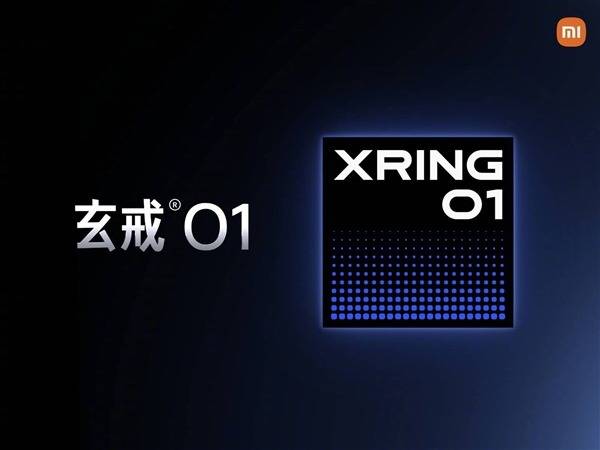
十年规划500亿研发投入!小米自研SoC玄戒落地在即 有望带动供应链多环节适配
Xin Lang Cai Jing· 2025-05-19 14:29
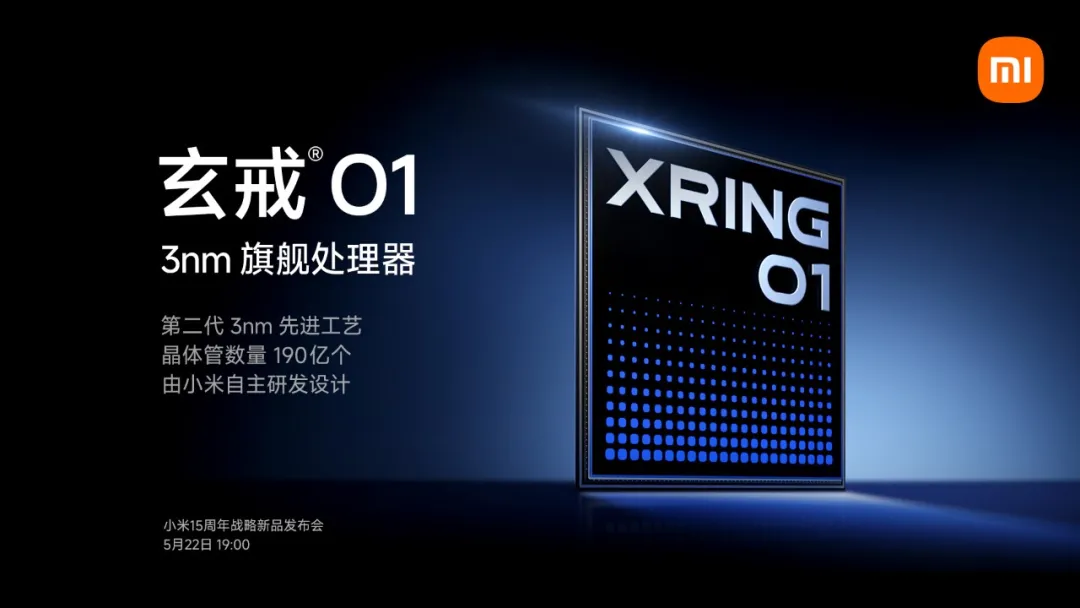
Core Viewpoint - Xiaomi is set to launch its self-developed SoC chip, Xuanjie O1, on May 22, alongside its second SUV model, YU7. The chip will utilize a second-generation 3nm process, with the goal of achieving flagship-level performance [1]. Group 1: Industry Collaboration - Despite the upcoming launch, some industry collaborations have already been established, such as Beijing Xuanjie Technology Co. signing a testing service agreement with Dongfang Zhongke for performance evaluation and reliability verification of the SoC chip [3][4]. - Domestic chip companies have maintained long-term collaborations with Xiaomi, with Nanchip Technology confirming annual compatibility testing for charging chips with Xiaomi's new products [4][6]. - Zhaoshengwei has indicated a platform-level cooperation with Xiaomi, providing RF front-end components for nearly all of Xiaomi's platforms, although it has not confirmed participation in the Xuanjie O1 project [4][6]. Group 2: R&D Investment and Strategy - Xiaomi's self-developed SoC initiative represents a significant investment, with a ten-year plan to invest 50 billion yuan. As of April 2024, over 13.5 billion yuan has been invested, with a team of 2,500 people and an expected investment of over 6 billion yuan this year [7]. - The Xuanjie O1 project marks Xiaomi's return to the SoC main control chip sector since the release of the Surge S1 in 2017, which was previously halted due to various factors [7]. - The company aims to master advanced chip technology to support its high-end strategy, as stated by its founder Lei Jun [7]. Group 3: Market Position and Challenges - The domestic SoC market is still dominated by Qualcomm, MediaTek, and Apple, with limited breakthroughs in high-end SoC segments by local brands [9]. - The Xuanjie O1 project is seen as a new perspective for observing the advancement of domestic SoC projects, focusing on system-level collaboration and verification mechanisms [9].


雷军官宣小米自研手机芯片,为什么那么多人急了?
Sou Hu Cai Jing· 2025-05-16 22:51
Core Viewpoint - Xiaomi has announced the upcoming release of its self-developed mobile processor named "Xuanjie O1," which has sparked significant online discussion and skepticism regarding its capabilities and authenticity [1][3]. Group 1: Announcement and Reactions - The announcement of the Xuanjie O1 processor by Xiaomi was unexpected and has led to widespread debate online, with many users expressing skepticism and mockery towards Xiaomi's self-research capabilities [1][3]. - Criticism primarily revolves around doubts about Xiaomi's ability to develop its own chips, with some claiming that the Xuanjie O1 is merely a rebranded Qualcomm processor or that its CPU and GPU are based on public designs or licensed technology [3][5]. Group 2: Comparison with Competitors - The skepticism towards Xiaomi's processor is partly fueled by the success of Huawei's Kirin processors, which have been developed over a decade through a gradual and rigorous process, contrasting with Xiaomi's relatively short history in chip development [5][7]. - Xiaomi's previous attempt at self-developed chips, the "Panghu S1," was released in 2017, and the Xuanjie O1 marks only the second attempt, raising questions about the depth of experience compared to Huawei's extensive track record [7]. Group 3: Future Expectations - Despite the skepticism, there is a belief that the development of the Xuanjie O1 is a positive step for domestic chip innovation in China, and there is anticipation for further details to be revealed during its official launch [9].