
国家组织药品集采

Search documents
第十二批集采8个品种备战!千亿市场大跌,复方注射剂飙涨219%,这家南京药企起飞
Xin Lang Cai Jing· 2026-01-08 11:37
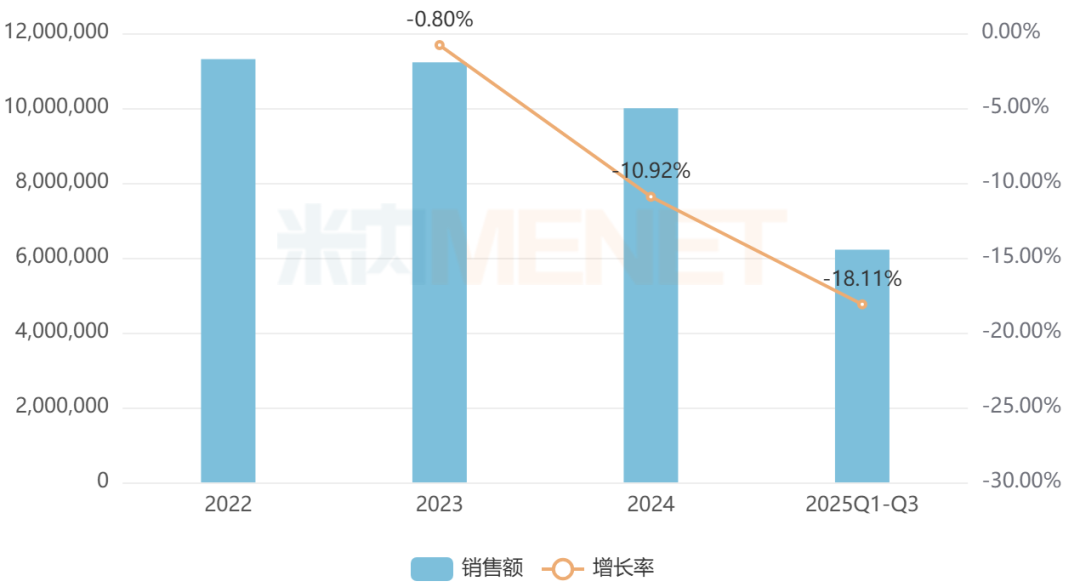
Core Viewpoint - The antibacterial drug market in China is under pressure, with sales expected to drop below 100 billion yuan in 2024 and continue declining by approximately 18% in the first three quarters of 2025, reaching over 60 billion yuan [1][14]. Market Performance - The total sales of systemic antibacterial drugs in public medical institutions in China have been declining, with a significant drop in sales from 2024 to 2025 [1][14]. - The market for systemic antibacterial drugs includes 12 major therapeutic categories, with cephalosporins leading but experiencing four consecutive years of sales decline from 2022 to the first three quarters of 2025 [3][16]. Company Rankings - In the ranking of major companies, Pfizer, China National Pharmaceutical Group, and North China Pharmaceutical Group hold the top three positions, with sales exceeding 6.2 billion yuan, 2.1 billion yuan, and 1.9 billion yuan respectively in the first three quarters of 2025 [5][18]. - Nanjing Youke Biological, ranked fifteenth, showed remarkable growth with a year-on-year increase of 137.17%, marking its first entry into the top 20 groups [5][18]. Product Performance - The top 20 systemic antibacterial drugs accounted for over 50% of the market share, with the leading product, injectable cefoperazone/sulbactam (2:1), achieving sales of over 4.5 billion yuan [21][22]. - Notably, the compound injection of cefoperazone/sulbactam saw a dramatic increase of 219.32%, marking a significant rise in its market presence [21][23]. National Procurement Impact - Among the top 20 products, 15 have been included in the national procurement program, with 13 experiencing double-digit declines in sales [21][23]. - The tenth batch of national procurement saw injectable piperacillin/tazobactam drop by 55.61%, while the eleventh batch saw injectable cefoperazone/sulbactam decline by 47.56% [21][23]. New Drug Development - Currently, there are no domestic class 1 new drugs among the top 20 systemic antibacterial products, although five class 1 new antibacterial drugs have been approved since 2021 [25][26]. - Eight products meet the criteria for national procurement inclusion, with seven being injectable forms and one oral formulation [25][26].



国家医保局:继续推进中成药、中药饮片全国联盟采购
Xin Lang Cai Jing· 2025-12-13 04:02
Core Insights - The national medical insurance work conference held in Beijing on December 13, 2025, emphasized the strategic purchasing role of medical insurance in supporting the innovative development of the pharmaceutical industry [1] Group 1: Policy Initiatives - In 2026, the focus will be on promoting healthy competition and differentiated innovation within the pharmaceutical industry [1] - The implementation of measures to support the high-quality development of innovative drugs will be deepened, enhancing the multi-payment capabilities for innovative drugs [1] Group 2: Procurement Strategies - New rounds of national drug procurement and high-value medical consumables procurement will be conducted [1] - The ongoing promotion of national alliance procurement for traditional Chinese medicine and Chinese herbal pieces will continue [1] Group 3: Financial Efficiency - The goal is to achieve direct settlement for selected drugs and consumables from national procurement, with a focus on improving the efficiency of corporate receivables [1] - The Chinese drug price registration system will be leveraged to enhance multi-price discovery functions, aiding the international expansion of the Chinese pharmaceutical industry [1]
新华社权威快报|55种药品进集采 新一批国家组织药品集采开标
Xin Hua She· 2025-10-28 13:45
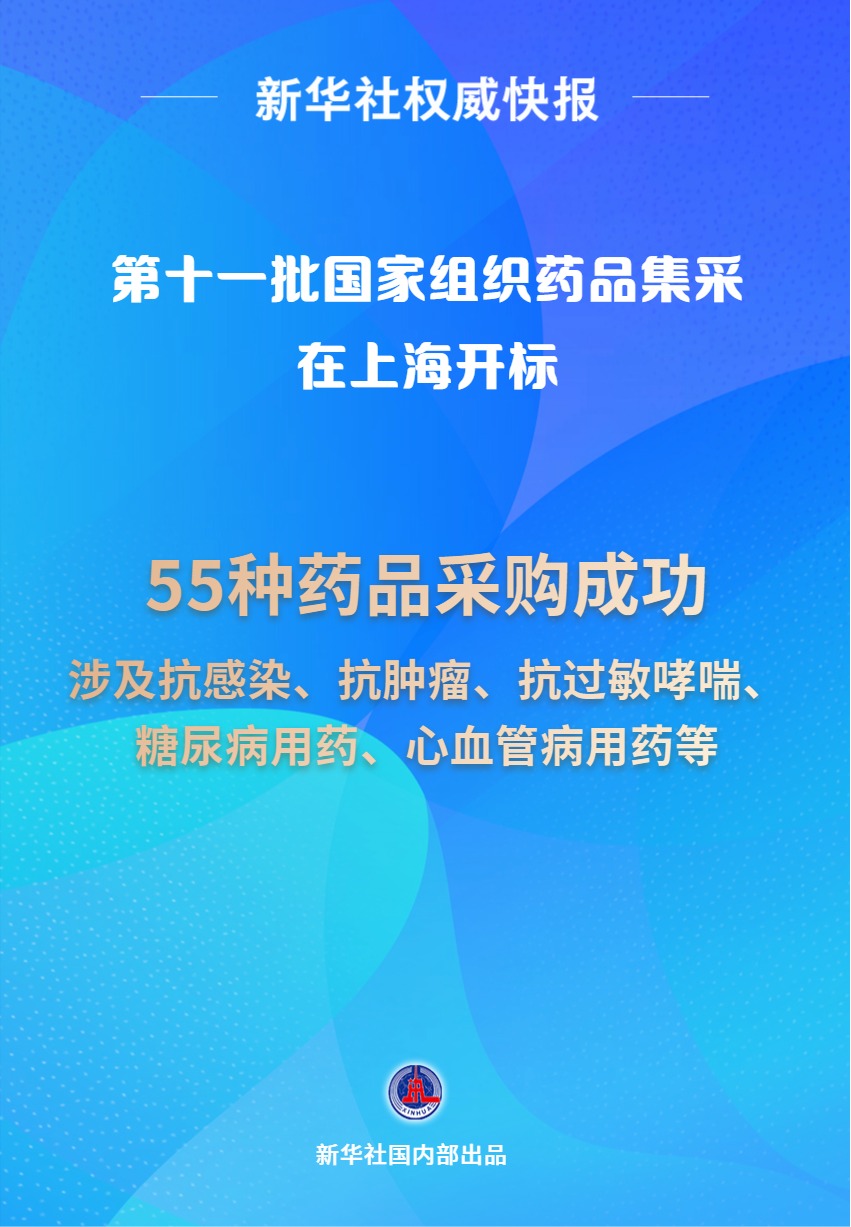
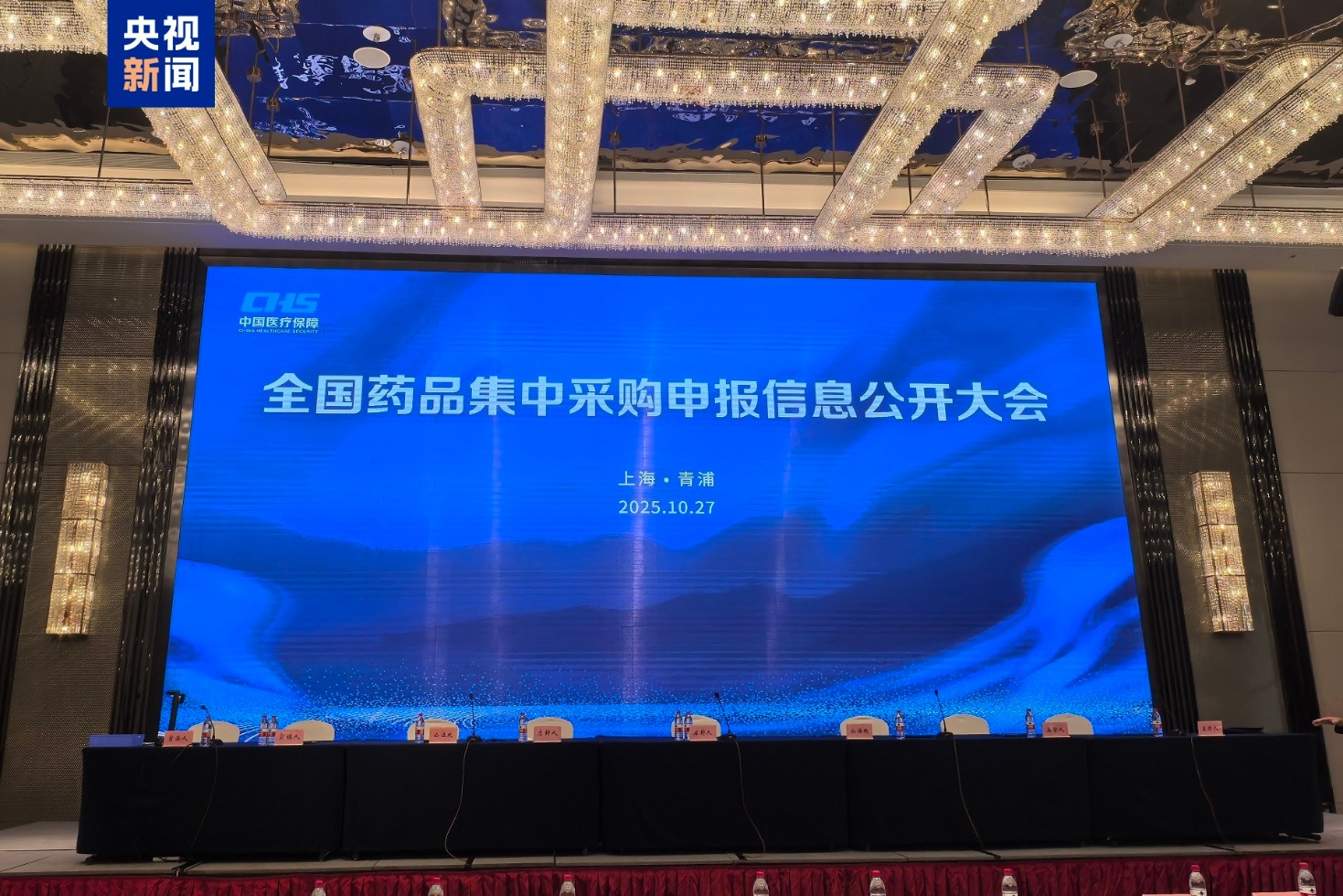
Core Points - The 11th batch of national organized drug procurement was opened for bidding in Shanghai on October 27, resulting in the successful procurement of 55 types of drugs [3] - A total of 272 companies with 453 products have obtained the proposed selection qualification, including essential medications for chronic and major diseases [3] - The procurement covers various categories such as anti-infection, anti-tumor, anti-allergic asthma, diabetes medications, and cardiovascular disease drugs [3] Summary by Category - **Procurement Details** - The 11th batch of national organized drug procurement was conducted in Shanghai, with 55 drugs successfully procured [3] - A total of 272 companies participated, with 453 products achieving proposed selection [3] - **Drug Categories** - The procurement includes drugs for chronic diseases and life-saving medications [3] - Specific categories covered are anti-infection, anti-tumor, anti-allergic asthma, diabetes, and cardiovascular disease medications [3] - **Historical Context** - Since the establishment of the National Medical Insurance Administration, 11 batches of national organized drug procurement have been conducted, totaling 490 types of drugs [3]
55种药品进集采 新一批国家组织药品集采开标
Xin Hua She· 2025-10-28 10:10
Group 1 - The core point of the article is the announcement of the results from the 11th batch of national organized drug procurement, which took place on October 27 in Shanghai, resulting in the selection of 55 drugs [3] - A total of 272 companies submitted 453 products that received proposed selection qualifications, indicating a competitive procurement process [3] - The newly selected drugs include commonly used medications for chronic and major diseases, covering areas such as anti-infection, anti-tumor, anti-allergy asthma, diabetes, and cardiovascular diseases [3] Group 2 - Since the establishment of the National Medical Insurance Administration, 11 batches of national organized drug procurement have been conducted, encompassing a total of 490 drugs [3]
规则全面优化,第十一批国家组织药品集采今日开标
Sou Hu Cai Jing· 2025-10-27 00:19
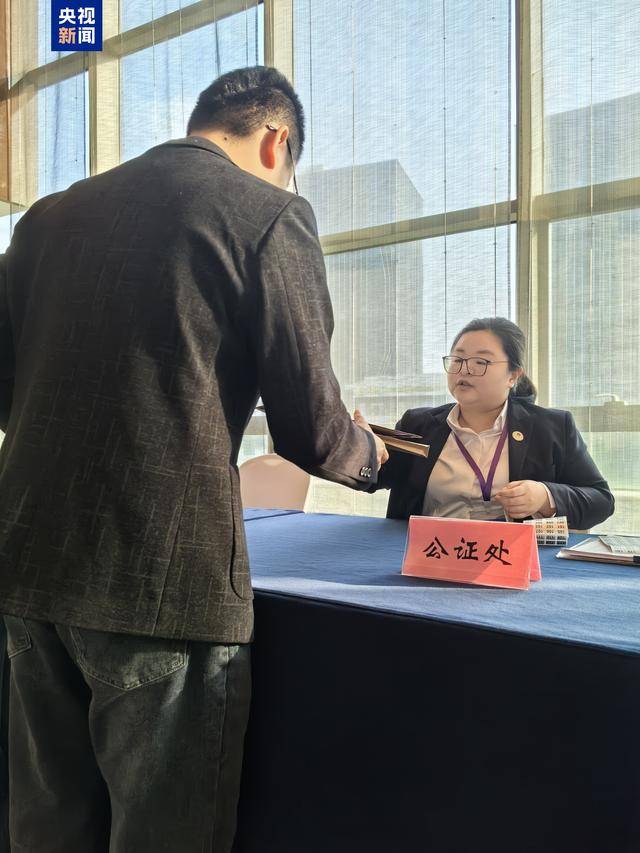
Core Points - The 11th batch of national organized drug procurement has commenced bidding, with results expected later today. The procurement rules have been comprehensively optimized to adhere to principles of "stabilizing clinical use, ensuring quality, preventing internal competition, and avoiding collusion" [1][3] Group 1: Clinical Stability - The reporting method for medical institutions has been optimized, allowing them to report either by generic name or specific brand. Among 46,000 medical institutions, 77% reported by brand, facilitating procurement results that better reflect actual clinical medication needs [1] - Special rules for antibiotics and pediatric formulations have been improved to ensure stable clinical supply [1] Group 2: Quality Assurance - Increased focus on the quality control levels of enterprises, raising the quality threshold for bidding. Requirements include actual production experience and a clean record of inspections for the past two years [3] - Selected drugs will be subject to enhanced supervision and inspection by drug regulatory authorities, ensuring comprehensive coverage of both selected enterprises and products [3] Group 3: Market Competition - The price difference control mechanism has been optimized, introducing "revival for inclusion" and "revival for non-inclusion" mechanisms to guide healthy market competition. Each enterprise must commit to pricing not lower than their costs, with lower-priced enterprises required to justify their pricing [3] Group 4: Anti-Collusion Measures - Measures have been implemented to restrict enterprises with related interests, treating them as a single entity to prevent collusion in pricing. A "first report leniency" mechanism is being explored to dismantle alliances among colluding enterprises [3] - According to the latest revised medical pricing and procurement credit evaluation system, collusion and bid-rigging behaviors will be severely penalized, with companies facing significant restrictions on their product listing qualifications [3]
规则全面优化 第十一批国家组织药品集采今日开标
Yang Shi Xin Wen· 2025-10-27 00:17
Core Insights - The eleventh batch of national organized drug procurement has commenced bidding, with results expected later today. The procurement rules have been comprehensively optimized to adhere to principles of "stabilizing clinical use, ensuring quality, preventing internal competition, and avoiding collusion" [1] Group 1: Clinical Stability - The reporting method for medical institutions has been optimized, allowing them to report either by generic name or specific brand. Among 46,000 medical institutions, 77% reported by brand, facilitating procurement results that align more closely with actual clinical medication needs [3] - Special rules for antibiotics and pediatric formulations have been improved to better ensure stable clinical supply [3] Group 2: Quality Assurance - There is an increased focus on the quality control levels of enterprises, raising the quality threshold for bidding. Requirements include actual production experience and a clean record of inspections over the past two years [3] - Selected drugs will be subject to enhanced supervision and inspection by regulatory authorities, ensuring comprehensive coverage of both selected enterprises and products [3] Group 3: Preventing Internal Competition - The price difference control mechanism has been optimized, introducing "revival for inclusion" and "revival for non-inclusion" mechanisms to guide healthy market competition. Each enterprise must commit to pricing not below cost, with lower-priced bidders required to justify their pricing [4] Group 4: Preventing Collusion - Measures have been implemented to restrict enterprises with related interests, treating them as a single entity to prevent collusion in pricing. A "first report leniency" mechanism is being explored to dismantle alliances among colluding enterprises [4] - The revised medical pricing and procurement credit evaluation system will impose severe penalties on collusion and bid-rigging behaviors, categorizing them as "particularly serious dishonesty" and restricting the qualification of all products from the offending enterprises [4]
第十一批国家组织药品集采报量启动——优化规则满足群众多元用药需求
Jing Ji Ri Bao· 2025-08-18 00:05
Core Points - The eleventh batch of national drug centralized procurement has officially started, with new reporting rules introduced to enhance the diversity of drug procurement options for medical institutions [1][2] - Medical institutions are required to report their procurement needs from August 6 to August 25, with participation mandated for all public and military medical institutions [1] - The new reporting rules allow institutions to report by brand name or by drug variety, providing flexibility in meeting clinical needs [1][2] Group 1: Reporting Rules - The new procurement rules include an option for institutions to report by brand name, addressing the diverse medication needs of the public [1] - Institutions can choose to report either by drug variety or by specific brand, with no limit on the number of brands that can be reported [1][2] - Institutions must ensure that total reported quantities are not less than 80% of the average procurement volume for 2023 and 2024 [2] Group 2: Demand Assessment - Institutions are encouraged to consider clinical demand changes and report sufficient quantities, especially for drugs with increasing usage trends [2][3] - For drugs with uncertain demand, such as those related to seasonal diseases, institutions can adjust their reported quantities based on actual needs [3] - Institutions can also reduce reported quantities for drugs with expected lower usage due to departmental adjustments or temporary needs [3] Group 3: Procurement Flexibility - Institutions are allowed to procure non-selected drugs if the selected drugs do not meet clinical needs, with a requirement to fulfill 60% to 80% of the procurement agreement with selected drugs [3] - The centralized procurement policy encourages the use of selected drugs while allowing flexibility for additional procurement based on actual demand [3][4] - Since 2018, a total of 435 drugs have been procured through 10 batches of national centralized procurement, improving drug accessibility and quality for the public [3]