糖尿病用药

Search documents
博雅生物2月25日获融资买入1233.54万元,融资余额6.83亿元
Xin Lang Cai Jing· 2026-02-26 01:26
Core Viewpoint - Boya Bio's stock performance shows a slight increase, with significant financing activities indicating high investor interest and potential volatility in the market [1][2]. Financing Summary - On February 25, Boya Bio recorded a financing buy amount of 12.34 million yuan, with a net financing purchase of 2.61 million yuan, indicating strong demand for its shares [1]. - The total financing and securities balance reached 686 million yuan, representing 6.07% of the circulating market value, which is above the 80th percentile of the past year [1]. - The company also experienced a high level of short selling, with a short selling balance of 2.73 million yuan, exceeding the 90th percentile of the past year [1]. Business Performance - For the period from January to September 2025, Boya Bio achieved a revenue of 1.47 billion yuan, reflecting a year-on-year growth of 18.38%, while the net profit attributable to shareholders decreased by 16.90% to 343 million yuan [2]. - The company's main business segments include blood products (84.58% of revenue), biochemical drugs (8.63%), distribution business (6.12%), and other businesses (0.65%) [1]. Shareholder Information - As of February 13, the number of shareholders for Boya Bio was 31,600, a decrease of 0.27% from the previous period, while the average circulating shares per person increased by 0.27% to 15,959 shares [2]. - The top ten circulating shareholders include Hong Kong Central Clearing Limited, which holds 8.88 million shares, a decrease of 1.82 million shares from the previous period [3].

博雅生物1月30日获融资买入1701.27万元,融资余额6.82亿元
Xin Lang Cai Jing· 2026-02-02 01:38
Core Viewpoint - The financial performance and trading activity of Boya Bio-Pharmaceutical Co., Ltd. indicate a mixed outlook, with a notable increase in revenue but a decline in net profit, alongside significant trading volumes in both margin financing and securities lending [1][2]. Group 1: Financial Performance - For the period from January to September 2025, Boya Bio achieved a revenue of 1.474 billion yuan, representing a year-on-year growth of 18.38% [2]. - The net profit attributable to shareholders for the same period was 343 million yuan, which reflects a year-on-year decrease of 16.90% [2]. - Cumulatively, the company has distributed a total of 1.007 billion yuan in dividends since its A-share listing, with 489 million yuan distributed over the past three years [3]. Group 2: Trading Activity - On January 30, Boya Bio's stock price decreased by 0.86%, with a trading volume of 137 million yuan [1]. - The margin financing data for January 30 shows a buying amount of 17.01 million yuan and a repayment of 18.94 million yuan, resulting in a net margin buy of -1.93 million yuan [1]. - The total margin financing and securities lending balance as of January 30 was 684 million yuan, with the margin balance accounting for 5.89% of the circulating market value, indicating a high level compared to the past year [1].
博雅生物1月9日获融资买入1734.47万元,融资余额6.83亿元
Xin Lang Cai Jing· 2026-01-12 01:35
Group 1 - The core viewpoint of the news is that Boya Bio's stock performance and financing activities indicate a mixed outlook, with significant financing activity but a decline in net profit year-over-year [1][2]. - On January 9, Boya Bio's stock rose by 0.82%, with a trading volume of 110 million yuan. The financing buy-in amount was 17.34 million yuan, while the financing repayment was 35.24 million yuan, resulting in a net financing outflow of 17.89 million yuan [1]. - As of January 9, the total balance of margin trading for Boya Bio was 685 million yuan, with a financing balance of 683 million yuan, accounting for 5.76% of the circulating market value, indicating a high level compared to the past year [1]. Group 2 - As of December 31, Boya Bio had 30,100 shareholders, a slight decrease of 0.03% from the previous period, while the average circulating shares per person increased by 0.03% to 16,737 shares [2]. - For the period from January to September 2025, Boya Bio reported a revenue of 1.474 billion yuan, representing a year-over-year growth of 18.38%. However, the net profit attributable to the parent company was 343 million yuan, reflecting a year-over-year decrease of 16.90% [2]. - Boya Bio has distributed a total of 1.007 billion yuan in dividends since its A-share listing, with 489 million yuan distributed over the past three years [3].
新华社权威快报|55种药品进集采 新一批国家组织药品集采开标
Xin Hua She· 2025-10-28 13:45
Core Points - The 11th batch of national organized drug procurement was opened for bidding in Shanghai on October 27, resulting in the successful procurement of 55 types of drugs [3] - A total of 272 companies with 453 products have obtained the proposed selection qualification, including essential medications for chronic and major diseases [3] - The procurement covers various categories such as anti-infection, anti-tumor, anti-allergic asthma, diabetes medications, and cardiovascular disease drugs [3] Summary by Category - **Procurement Details** - The 11th batch of national organized drug procurement was conducted in Shanghai, with 55 drugs successfully procured [3] - A total of 272 companies participated, with 453 products achieving proposed selection [3] - **Drug Categories** - The procurement includes drugs for chronic diseases and life-saving medications [3] - Specific categories covered are anti-infection, anti-tumor, anti-allergic asthma, diabetes, and cardiovascular disease medications [3] - **Historical Context** - Since the establishment of the National Medical Insurance Administration, 11 batches of national organized drug procurement have been conducted, totaling 490 types of drugs [3]

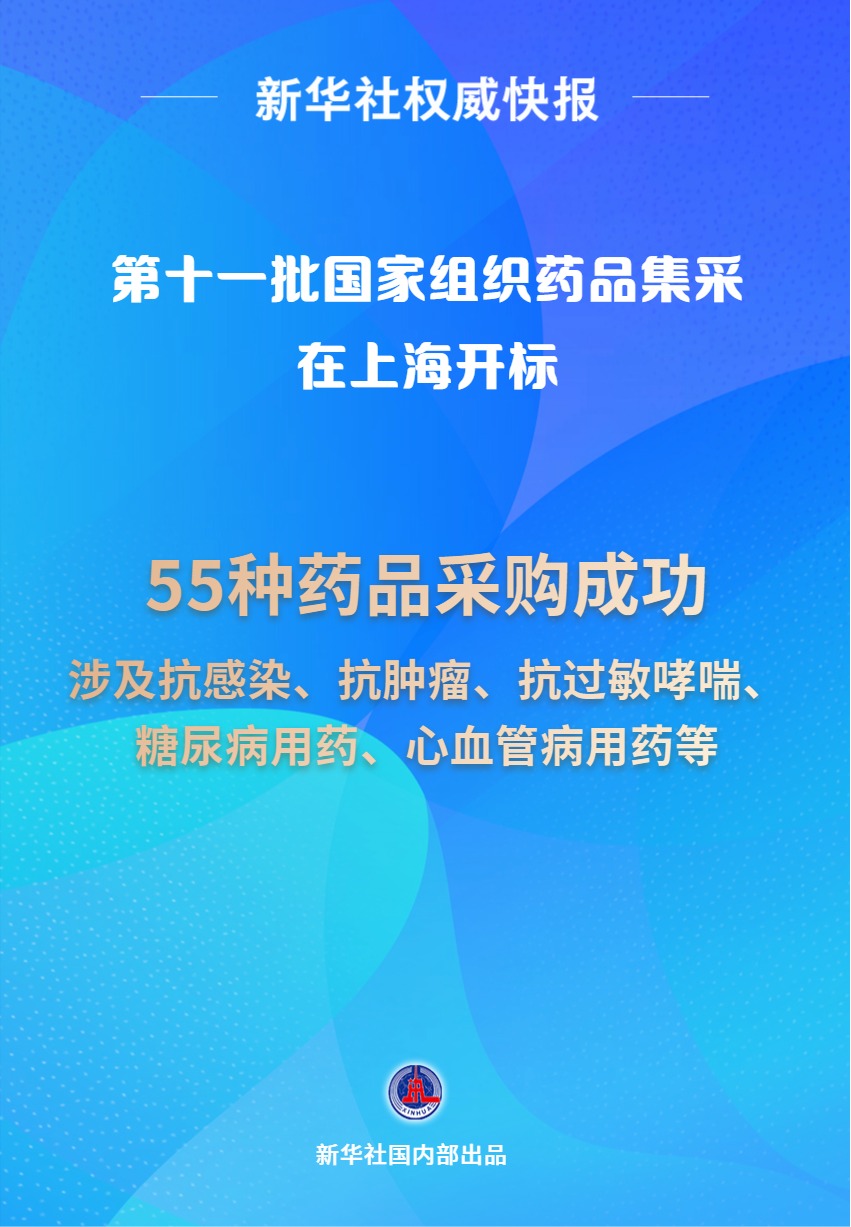
新华社权威快报|55种药品进集采 新一批国家组织药品集采开标
Xin Hua She· 2025-10-28 11:40
Core Points - The 11th batch of national organized drug procurement was opened for bidding in Shanghai on October 27, resulting in the successful procurement of 55 types of drugs [3] - A total of 272 companies with 453 products have obtained the proposed selection qualification, including essential medications for chronic and major diseases [3] - The procurement covers various categories such as anti-infection, anti-tumor, anti-allergy asthma, diabetes medications, and cardiovascular disease drugs [3] Summary by Category Drug Procurement - The 11th batch of national organized drug procurement has been successfully conducted, with 55 types of drugs procured [3] - The total number of drugs included in the national procurement since the establishment of the National Medical Insurance Bureau has reached 490 [3] Companies and Products - A total of 272 enterprises participated, with 453 products achieving proposed selection status [3] - The procurement process aims to include a new batch of commonly used and life-saving drugs for chronic and major diseases [3]
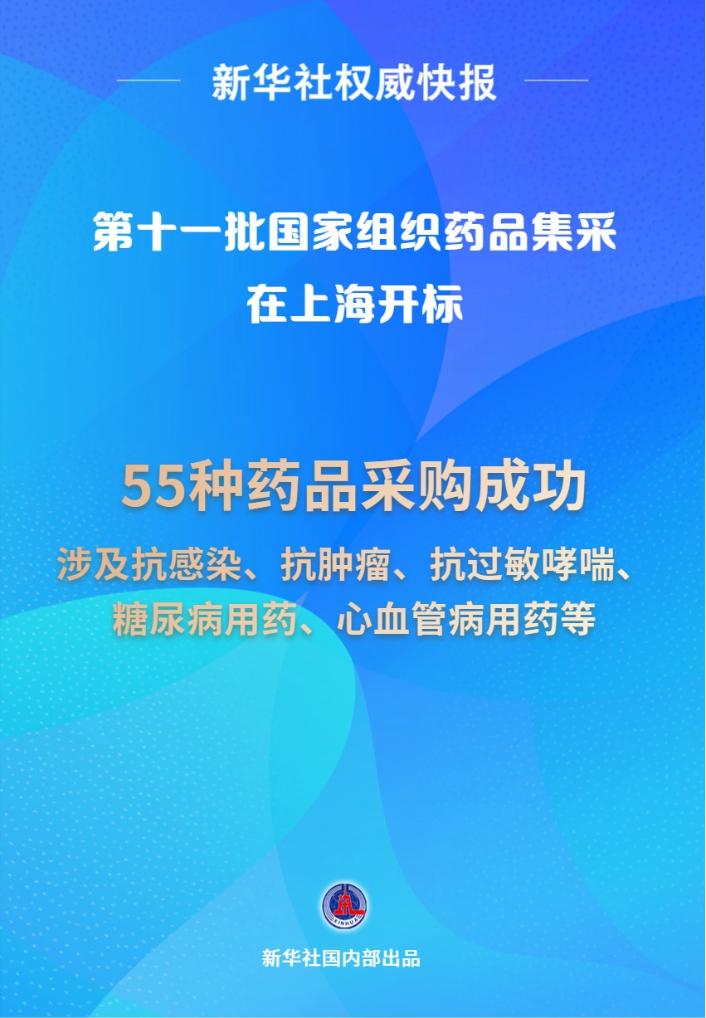
55种药品进集采 新一批国家组织药品集采开标
Xin Hua She· 2025-10-28 10:10
Group 1 - The core point of the article is the announcement of the results from the 11th batch of national organized drug procurement, which took place on October 27 in Shanghai, resulting in the selection of 55 drugs [3] - A total of 272 companies submitted 453 products that received proposed selection qualifications, indicating a competitive procurement process [3] - The newly selected drugs include commonly used medications for chronic and major diseases, covering areas such as anti-infection, anti-tumor, anti-allergy asthma, diabetes, and cardiovascular diseases [3] Group 2 - Since the establishment of the National Medical Insurance Administration, 11 batches of national organized drug procurement have been conducted, encompassing a total of 490 drugs [3]
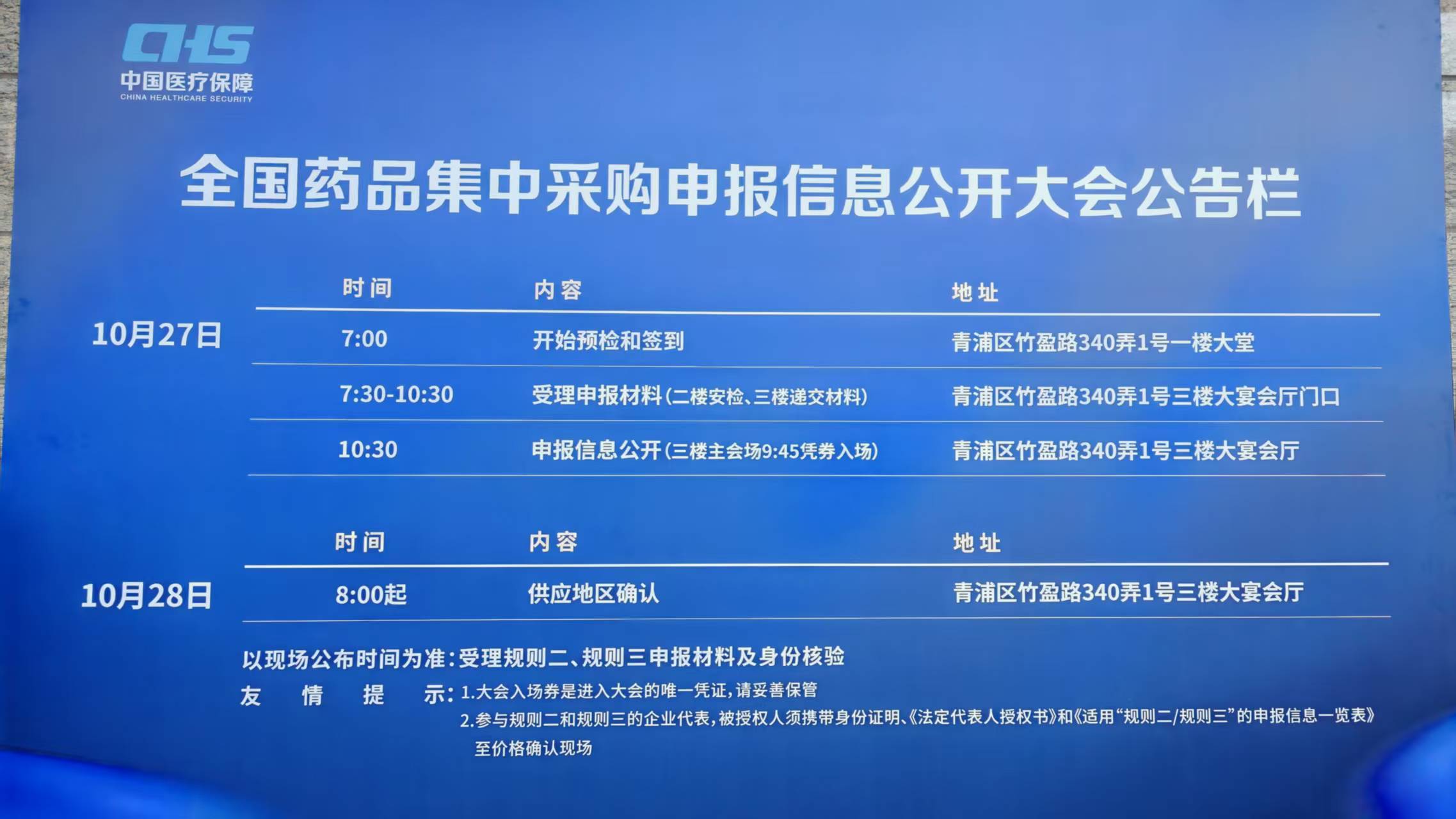
现场直击!第十一批国采开标
2 1 Shi Ji Jing Ji Bao Dao· 2025-10-27 07:02
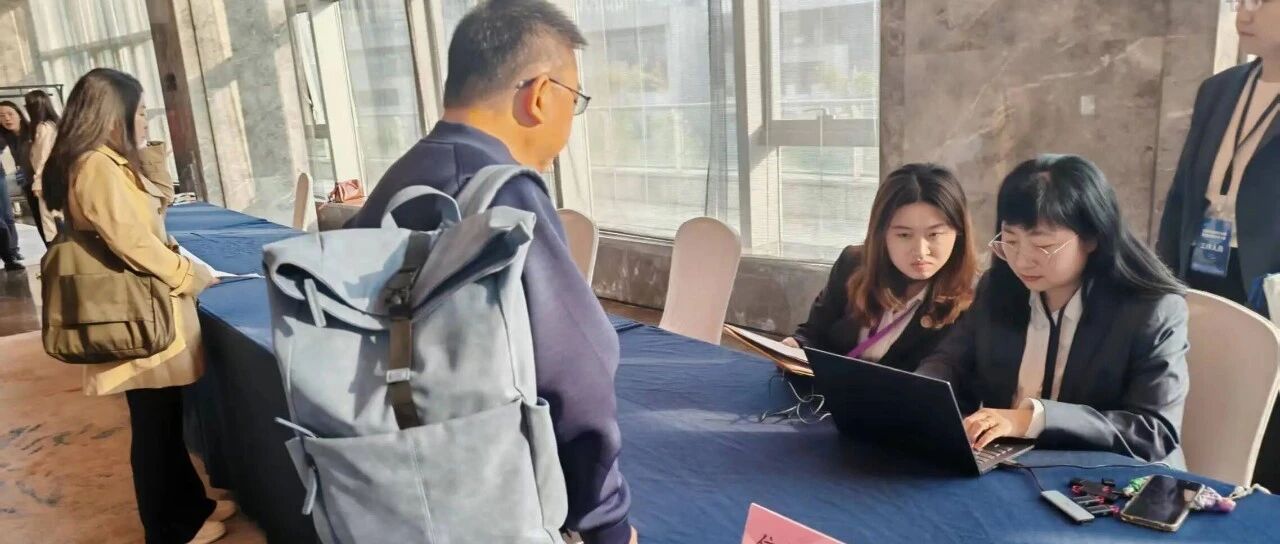
Core Viewpoint - The eleventh batch of national organized drug procurement has officially opened for bidding, involving 55 drug varieties across various therapeutic areas, indicating a continued effort to regulate drug prices and improve accessibility for patients [1][2]. Group 1: Procurement Details - The procurement includes drugs for infection, oncology, asthma, diabetes, cardiovascular diseases, and neurological disorders [1]. - The bidding process began with material pre-checks and company sign-ins at 7:00 AM, followed by the acceptance of submissions until 10:30 AM, with results expected later the same day [1][2]. Group 2: Industry Participation - There was a noticeable presence of company representatives at the event, with some expressing that the number of participants was lower than in previous rounds, but the number of products being bid on was higher, indicating increased competition [2]. - Companies view successful bidding as a significant opportunity to gain market access, referring to it as a "larger market entry ticket" [2]. Group 3: Policy and Regulation Changes - Since 2018, the national government has conducted 10 rounds of drug procurement, covering 435 drug types, which has proven effective in addressing high drug prices and improving medication accessibility [2]. - The new procurement rules emphasize stability in clinical practices, quality assurance, prevention of excessive competition, and measures against collusion among related companies [3]. Group 4: Quality Control and Competition - The procurement process has optimized reporting methods, allowing medical institutions to report either by generic name or brand, with 77% of 46,000 institutions opting for brand reporting [3]. - Quality control measures have been enhanced, requiring companies to demonstrate production experience and compliance with quality standards over the past two years [3]. - New mechanisms have been introduced to encourage healthy competition, including revival options for both successful and unsuccessful bids, while measures are in place to prevent collusion among related companies [3].
一财直击第十一批国家药品集采开标,有哪些新变化?
Di Yi Cai Jing Zi Xun· 2025-10-27 01:28
Core Points - The 11th batch of national organized drug procurement was held in Shanghai on October 27, involving 55 drug varieties across various therapeutic areas including anti-infection, anti-tumor, asthma, diabetes, cardiovascular, and neurological drugs [2][9] - The procurement process introduced new mechanisms such as "revival for non-selected" opportunities to encourage more companies to participate at suitable prices, extending the bidding time compared to previous batches [9][10] - The procurement emphasizes principles of maintaining clinical stability, ensuring quality, preventing excessive competition, and avoiding collusion among related companies [10][11] Group 1: Procurement Details - The procurement involved 55 drug varieties and was conducted with a focus on transparency and public engagement, including online explanations of selection rules for medical institutions [11] - Since 2018, 10 batches of drug procurement have been conducted, covering 435 drug types and nearly 800 pharmaceutical companies, with over 2000 representative products involved [9][10] - The bidding process was structured to allow medical institutions to report quantities either by generic name or specific brand, with 77% of the 46,000 institutions reporting by brand [10] Group 2: Competitive Landscape - The average number of companies bidding per drug variety was 14, indicating a competitive environment, although some drugs had significantly more bidders, leading to intense competition [11][13] - The National Medical Insurance Administration issued a warning in August for companies to conduct cost-benefit analyses and maintain rational pricing strategies in light of high competition [13]
一财直击第十一批国家药品集采开标,有哪些新变化?
第一财经· 2025-10-27 01:24
Core Viewpoint - The article discusses the 11th batch of national organized drug procurement, highlighting its focus on transparency, quality assurance, and competitive pricing mechanisms in the pharmaceutical industry [3][10][13]. Group 1: Procurement Details - The 11th batch of drug procurement includes 55 varieties, covering treatment areas such as anti-infection, anti-tumor, asthma, diabetes, cardiovascular, and neurological drugs [3]. - The procurement process involved a two-round revival mechanism, allowing more companies to qualify, which is expected to extend the bidding time compared to previous batches [10]. - Since 2018, the national level has conducted 10 batches of drug procurement, covering 435 drugs and nearly 800 companies, involving over 2,000 representative products [10]. Group 2: Principles and Optimizations - The procurement adheres to principles of stabilizing clinical use, ensuring quality, preventing excessive competition, and avoiding collusion [10][11]. - The reporting method for medical institutions has been optimized, allowing them to report either by generic name or specific brand, with 77% of the 46,000 institutions reporting by brand [10]. - Quality standards have been raised, requiring that production lines have no GMP violations in the past two years [10]. Group 3: Transparency and Competition - A significant highlight of this procurement is its emphasis on transparency, with the procurement office publicly explaining the selection rules and conducting online sessions for medical institutions [13]. - On average, 14 companies have applied for each variety, indicating that most companies are expected to qualify, although competition may be fierce for some varieties with a high number of bidders [13][15]. - The National Medical Insurance Administration issued a warning in August for companies to conduct cost-benefit analyses and maintain rational pricing in light of high competition [15].
一财直击第十一批国家药品集采开标,今年有哪些新变化?
Di Yi Cai Jing· 2025-10-27 00:48
Core Points - The 11th batch of national drug centralized procurement took place on October 27, involving 55 drug varieties across various therapeutic areas including anti-infection, anti-tumor, asthma, diabetes, cardiovascular, and neurological drugs [1][8] - The procurement process has introduced a "two-round revival" mechanism, which will extend the time required for the bidding compared to previous batches [8] - The procurement aims to maintain clinical stability, ensure quality, prevent excessive competition, and avoid collusion among related companies [11] Group 1: Procurement Process - The bidding process began with a pre-inspection of application materials and company registration starting at 7:00 AM, followed by the acceptance of application materials from 7:30 AM to 10:30 AM [1][5] - The procurement office has publicly explained the selection rules for drug varieties and provided detailed guidance for medical institutions on reporting requirements [12] Group 2: Competitive Landscape - Since 2018, the national level has conducted 10 batches of drug procurement, covering 435 drug varieties and nearly 800 pharmaceutical companies, involving over 2,000 representative products [11] - The average number of companies applying for each drug variety in this batch is 14, indicating a competitive environment, especially for certain products with a high number of bidders [12] Group 3: Quality and Compliance - The procurement process has raised quality standards by requiring that production lines have no GMP violations in the past two years [11] - Measures have been implemented to prevent collusion among companies with related interests, treating them as a single entity for bidding purposes [11]