国潮国货

Search documents
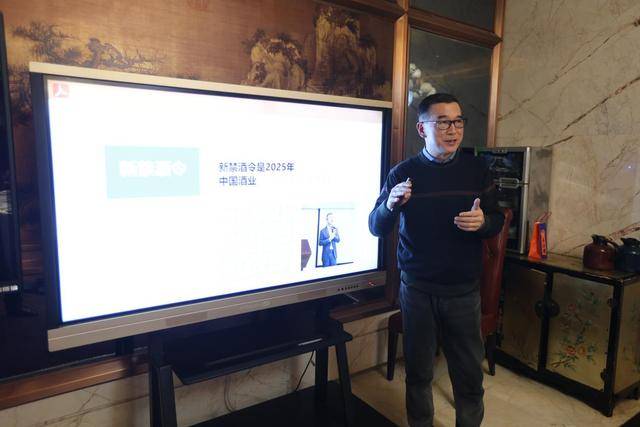
一位酒行业专家眼中的“2025十大关键词”| 大象财富
Sou Hu Cai Jing· 2025-12-18 05:15
Core Insights - The Chinese liquor industry is at a crossroads, facing challenges such as insufficient consumer demand, restructuring of manufacturer relationships, and pressures for industrial upgrades as it approaches the end of the 14th Five-Year Plan [1] Group 1: Industry Transformation - "Restructuring" and deep adjustments will be the core theme for the Chinese liquor industry in 2025, driven by multiple pressures including sluggish performance and high inventory levels [3] - Companies are shifting from scale expansion to value competition, moving towards a "community of destiny" with distributors [3] - The transition from a scale-oriented approach to a user-value-oriented strategy is emphasized through the adoption of the "4C concept" [3] Group 2: Digital Empowerment - A "data-driven decision-making system" will be crucial for brand competition, focusing on digital pricing systems and the integration of marketing and sales [4] - Technologies like artificial intelligence and smart manufacturing will enhance the entire industry chain, promoting a shift towards green and low-carbon development [4][5] Group 3: Retail Dynamics - The market landscape in 2025 is characterized by intense competition, with wholesale prices often below factory prices, leading to a challenging pricing structure [6] - The rise of instant retail platforms and subsidy wars is disrupting traditional pricing logic and profit margins [6] Group 4: Consumer Trends - Low-alcohol and non-alcoholic beverages are identified as the main growth drivers, reflecting a shift in consumer behavior towards healthier drinking habits [7] - The trend of "self-drinking" over social drinking is becoming the dominant consumption logic, particularly among younger generations [7] Group 5: Cultural Identity - The "national trend" and domestic products are seen as the strategic foundation for brand upgrades, with a focus on cultural identity in the liquor sector [8] - The rise of Chinese brands, especially in the white and red wine sectors, is linked to a new cultural recognition among consumers [8] Group 6: Consumer-Centric Culture - The "To C culture" represents a significant shift towards consumer-centric strategies, moving away from channel dominance to focusing on user engagement [9][10] - The marketing logic is evolving to prioritize consumer needs and experiences, enhancing brand value through cultural and lifestyle integration [10] Group 7: Regulatory Changes - New regulations, including a "new prohibition," are pushing the industry towards marketization and diversification, moving away from reliance on government consumption [11] - The emergence of the "civilian liquor era" indicates a focus on high-cost performance products and light-asset operational strategies [11] Group 8: Regional Branding - "Regional expression" is becoming a core competitive advantage, with geographical indicators and terroir being central to product value [12] - The integration of tourism and local characteristics is expected to enhance brand value and market positioning [12] Group 9: Leadership Changes - A "leadership change wave" is anticipated in 2025, reflecting a broader industry response to performance pressures and strategic transformations [13] - The focus on younger and more professional management teams is indicative of a commitment to innovation and digital thinking [13] Group 10: Future Outlook - The year 2025 marks the conclusion of the 14th Five-Year Plan and is seen as a pivotal moment for the industry, influencing the strategic direction for the next five years [14]

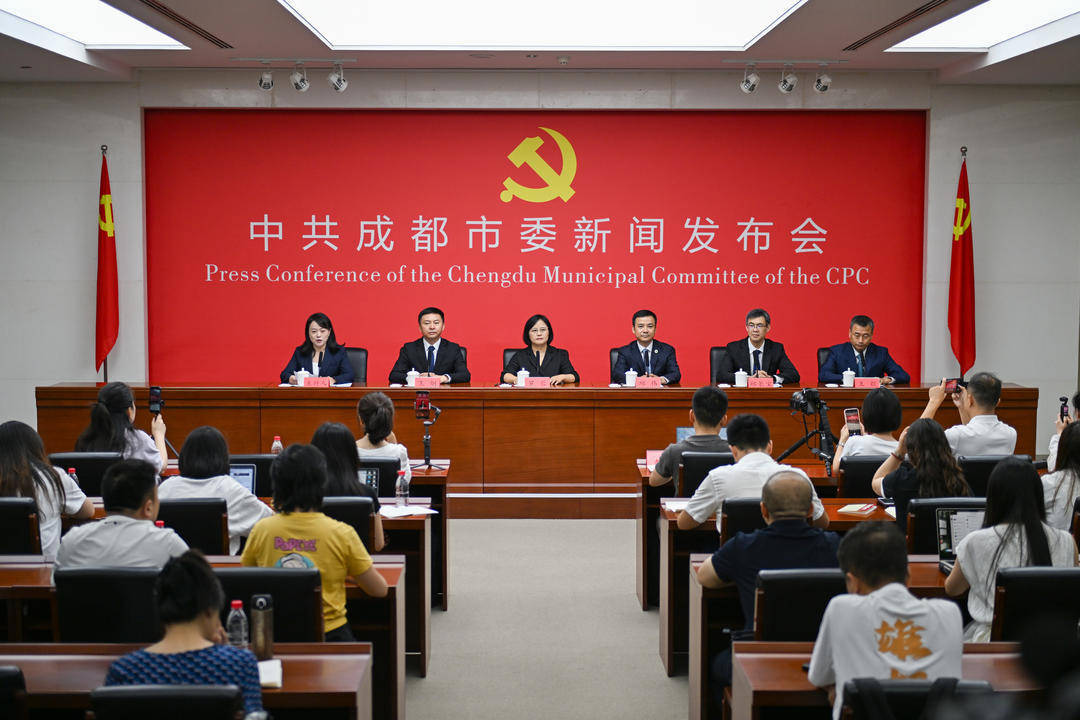
“可体验”“有趣味”“新潮感” 成都今年引进首店800家以上|公园城市·幸福成都
Sou Hu Cai Jing· 2025-07-12 09:43
Core Viewpoint - Chengdu aims to enhance consumer vitality by creating more engaging, experiential, and trendy consumption scenarios through the optimization of consumption spaces, enrichment of supply, and innovation in consumption models [2] Group 1: Consumption Space and Supply - Chengdu will establish a four-tier system comprising key business circles, commercial streets, characteristic towns, and unique consumption scenarios, focusing on upgrading major commercial areas like Chunxi Road and Jiaozi Park to world-class standards [3] - The city will promote the transformation of cultural and sports landmarks into composite consumption landmarks, integrating commercial consumption with artistic appreciation and sports activities [3] Group 2: Year-Round Consumption Seasons - Chengdu plans to innovate attractive consumption scenarios by incorporating performing arts, sports, and entertainment, as well as creative installations and themed exhibitions to enhance the consumer experience [4] - The city will launch various cultural and tourism products, emphasizing the integration of culture and intangible heritage, while fostering new consumer brands and products under the "Guochao" (national trend) concept [4] Group 3: Economic Initiatives and Events - Chengdu aims to introduce over 800 new stores and host more than 200 high-profile events this year as part of its three-year action plan for the "first launch economy," focusing on original design and product releases [5] - The city will expand the "ticket root economy" alliance to enhance consumer experiences across dining, accommodation, travel, shopping, and entertainment, while also innovating in digital consumption through AI and robotics [5]