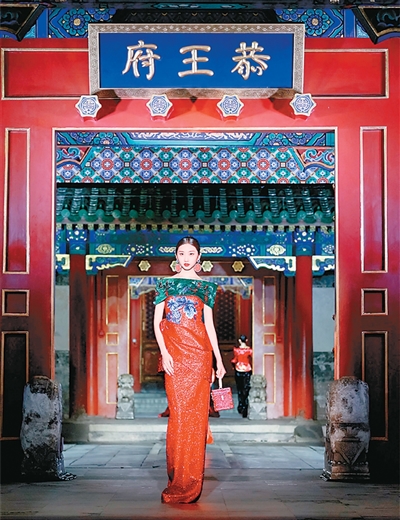
国潮时尚

Search documents
从“满足需求”到“创造需求”,大湾区消费市场有新意
Xin Lang Cai Jing· 2025-12-27 05:18
Group 1 - The core viewpoint of the articles highlights the vibrant consumption market in the Guangdong-Hong Kong-Macao Greater Bay Area, driven by various initiatives such as "national subsidies + provincial subsidies + municipal subsidies" to stimulate large-scale consumption and the influx of global brands due to "first-store economy" and "first-release economy" [1][2] - Four major trends in consumption are identified: the extension of digital consumption into AI-guided shopping and the metaverse; the rise of domestic brands favored by consumers; the growth of cross-border consumption driven by visa-free and duty-free policies; and the prominence of immediate consumption needs, with community-based and convenient services becoming mainstream [1] - The Greater Bay Area is leveraging technology, cultural and sports integration, and emotional value exploration to transform consumption from merely "meeting demand" to "creating demand," injecting new vitality into the market [2] Group 2 - The Greater Bay Area's consumption market benefits from three main advantages: a favorable climate and location, a strong industrial base providing high-cost performance goods, and a friendly and comprehensive service system [2] - Future growth points in consumption are expected to arise from health and wellness tourism driven by climate and industry, as well as new consumption models that integrate cultural tourism with multiple industries [2] - The Greater Bay Area is poised to lead a profound transformation in consumption, evolving from "functional satisfaction" to "value resonance," creating a more internationally influential, culturally rich, and sustainable consumption landscape [2]

博物馆“玩”时尚,玩到年轻人“心趴”上(文化只眼·新世代新风潮⑦)
Ren Min Ri Bao Hai Wai Ban· 2025-07-21 01:20
Core Insights - The "Gong·Fashion" brand launched by the Gong Wangfu Museum features 37 concept garments and 35 new Chinese-style ready-to-wear outfits and accessories, showcasing Chinese aesthetic in contemporary design [2] - The museum has been actively promoting traditional Chinese culture through various initiatives, including fashion shows in Paris and exhibitions in Singapore, as well as launching products like the "Futang" fragrance [2] - The museum's cultural products have become popular among young consumers, with items like the Fengguan refrigerator magnet achieving sales of over 1 million units, contributing to a total sales revenue exceeding 100 million yuan for the entire Fengguan IP series [2] Design and Appeal - The exquisite design of museum products resonates with young consumers, as they reflect the pinnacle of craftsmanship and artistry from historical artifacts [3] - High cost-performance ratio is a significant factor attracting young buyers, with museum products offering affordable alternatives to luxury items, such as the Suzhou Museum's Wu Wang Fuchai sword bracelet [3] - The combination of excellent design and accessible pricing allows young consumers to incorporate cultural heritage into their fashion choices without high costs [3] Cultural Integration - Contemporary youth express their individuality through museum-inspired fashion, using products to showcase their unique taste and promote Chinese culture globally [4] - The collaboration between museums and the fashion industry integrates art into daily life, fulfilling the desire for a more aesthetically pleasing lifestyle among young people [4] - Continuous innovation in design and a commitment to quality are essential for the sustainable success of the "museum + fashion" model [4]