国际能源博弈

Search documents
连涨5年突刹车!中俄闹掰了?普京逼中国二选一,8倍黄金杀疯了!
Sou Hu Cai Jing· 2026-02-17 05:50
Core Insights - The trade volume between China and Russia is projected to decline in 2025 after five years of rapid growth, raising concerns about the stability of their relationship [1][3]. Export Dynamics - China's exports to Russia are expected to drop by over 10% in 2025, significantly impacting the automotive industry [4]. - The decline is attributed to Russia's introduction of a "scrappage tax," which increases the cost of imported vehicles, forcing Chinese automakers to either absorb the tax or localize production [6][8]. Import Trends - Surprisingly, China's imports from Russia, particularly in oil, are also decreasing despite an overall increase in China's crude oil imports [9]. - This strategic reduction in reliance on Russian energy resources is aimed at diversifying supply sources and ensuring energy security [9]. Gold Trade Surge - In contrast to the overall trade decline, Russia's gold exports to China have surged eightfold, indicating a shift in trade settlement methods [10][13]. - This increase in gold transactions reflects both countries' efforts to reduce dependence on the US dollar and explore new financial cooperation models [13]. Cultural and Educational Cooperation - Despite the trade downturn, cultural exchanges between China and Russia are thriving, with the announcement of 2026-2027 as the "China-Russia Education Year" [15][16]. - This initiative aims to deepen cooperation in education, culture, and talent development, fostering stronger social ties between the two nations [16]. Strategic Relationship Evolution - The decline in trade volume signifies a transition from a honeymoon phase based on soaring trade figures to a more rational and pragmatic phase of stability in Sino-Russian relations [16]. - Both countries are carefully navigating their interdependence while maintaining a degree of independence, which is seen as a sustainable approach for major powers [16].

莫迪还没表态,普京不管他了,俄油骨折价,全仓发给老朋友
Sou Hu Cai Jing· 2026-02-14 04:31
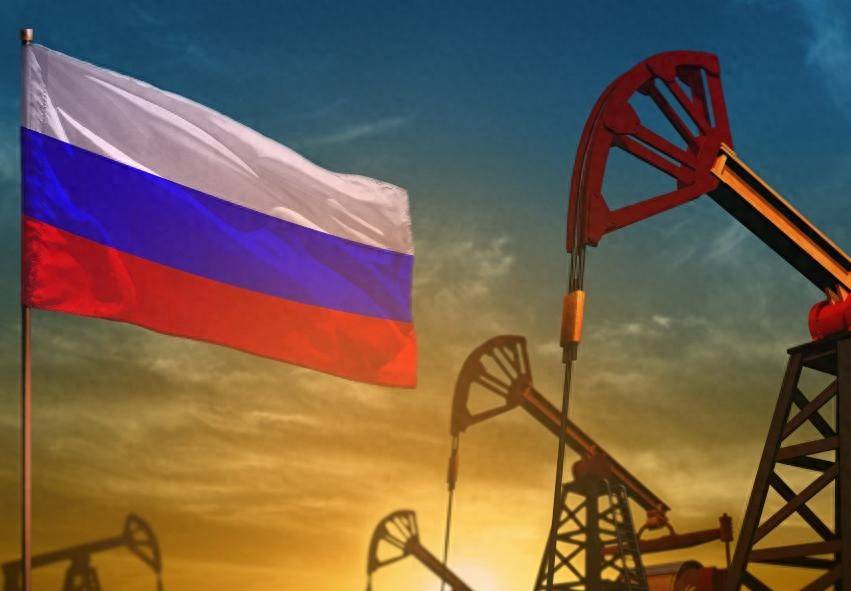
Core Viewpoint - Russia has significantly increased oil discounts to China, with ESPO crude oil prices dropping nearly $9 per barrel and Urals crude oil prices decreasing by $12 per barrel, indicating a strategic shift in energy sales from India to China amid geopolitical pressures [1][3][6]. Group 1: Energy Market Dynamics - The change in oil tanker routes from India to China reflects geopolitical pressures and the necessity for Russia to redirect its oil inventory to willing buyers [3][8]. - Russia's price adjustments are a survival strategy to maintain its energy production amidst winter challenges, as halting production incurs high costs [6][10]. - The shift in oil sales to China not only alleviates Russia's inventory issues but also accelerates the trend of energy flow towards China, enhancing Sino-Russian strategic cooperation [17][21]. Group 2: India's Energy Policy Challenges - India is caught between U.S. pressure to reduce Russian oil purchases and its need for affordable energy, complicating its energy diversification efforts [10][15]. - Transitioning to U.S. light sweet crude oil would require significant modifications to India's refining infrastructure, incurring substantial costs and time [13][15]. - The economic implications of switching from Russian oil to U.S. oil could lead to increased costs for Indian consumers, affecting the political landscape [13][15]. Group 3: Implications for China - The substantial discounts on Russian oil enhance profit margins for Chinese refineries, allowing them to effectively manage various crude oil types [19][21]. - The use of local currencies in Sino-Russian energy trade has surpassed 95%, insulating these transactions from U.S. sanctions and financial systems [19][21]. - The complete shift of Russian oil previously destined for India to China strengthens economic independence between the two nations and signals a reconfiguration of global energy flows [21][22].

冻死事小,失节事大!欧盟停用俄罗斯天然气,中国成救命稻草
Sou Hu Cai Jing· 2026-02-02 22:29
Group 1 - The EU has decided to completely end the import of Russian natural gas through pipelines starting in early 2027, with LNG deliveries being halted as early as this autumn, marking a significant shift in energy policy [1][2] - This ban aims to unify the EU's energy policy, particularly targeting Hungary, Slovakia, and Austria, which have been resistant to the EU's stance due to their reliance on Russian gas [2] - The market gap left by the withdrawal of Russian energy will be filled by countries like Norway, the US, and Qatar, with Norway planning to provide 750 billion Norwegian Krone (approximately 50.2 billion RMB) in aid to Ukraine from 2023 to 2028 [3] Group 2 - The US is strategically focused on controlling a crucial gas pipeline in Ukraine, which could significantly influence energy negotiations in Central Europe [5] - Despite a drop in European natural gas prices to their lowest since 2019, prices remain high compared to a decade ago, indicating ongoing challenges for European consumers [7] - Russia is increasingly looking to China for energy exports, with significant growth in gas deliveries through the "Power of Siberia" pipeline, which is expected to reach 38.8 billion cubic meters in 2025, more than double the amount from 2022 [8][9] Group 3 - China's oil imports have shown a notable decline, with a 1.9% decrease in 2024 and a further 7.7% drop expected in 2025, indicating a shift in energy consumption patterns [12][13] - The relationship between Russia and China is evolving, with Russia viewing China as a critical market while China is optimizing its energy needs and not becoming overly reliant on Russian supplies [15] - The current energy dynamics reflect a complex interplay where Europe prioritizes political stances over energy security, while Russia seeks new markets, and China maintains a position of leverage [17]
中美印博弈下,中国智取千万桶俄油,印度妥协何解?
Sou Hu Cai Jing· 2025-08-22 00:28
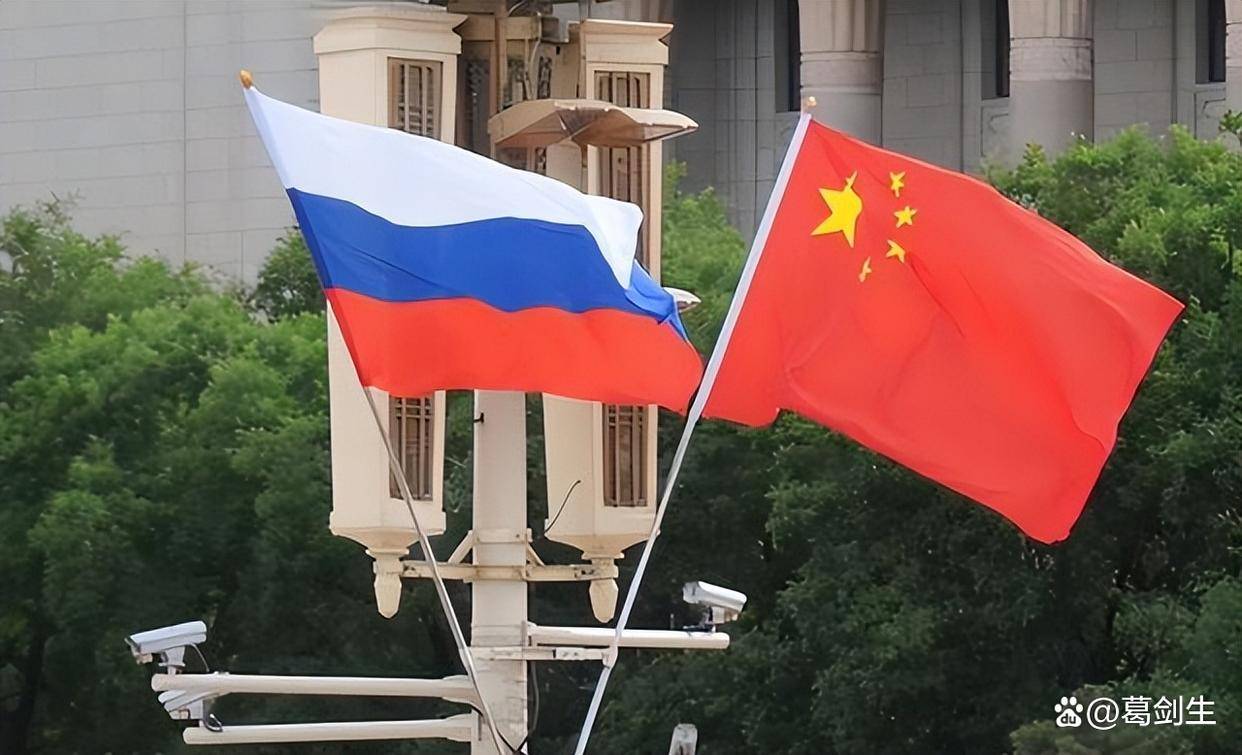
Group 1 - India's recent shift in stance regarding Russian oil procurement has led to three state-owned refineries suspending purchases, resulting in four oil tankers valued at $300 million stranded in the Indian Ocean [1] - The pressure from the U.S. on India is significant, as high tariffs on Indian exports could severely impact its economy, leading India to prioritize its exports to the U.S. over Russian oil [3] - In contrast, China has rapidly increased its purchases of Russian oil, securing 15 batches of orders in August, with each batch containing between 700,000 to 1,000,000 barrels, and successfully negotiating a $1 discount per barrel, saving $10 million [3] Group 2 - China's actions have not only provided economic benefits but have also positioned it favorably in the international energy landscape, showcasing a more flexible and long-term strategic vision compared to India's response to U.S. pressure [5] - Over 60% of Russian oil transactions are now settled in RMB, which mitigates risks associated with U.S. dollar sanctions and enhances the international status of the RMB [6] - China continues to diversify its energy sources while increasing Russian oil purchases, maintaining cooperation with regions such as the Middle East, Africa, and Latin America, thereby ensuring energy security and demonstrating strategic stability in a complex international environment [6][7]