地下商业

Search documents
一线调研 | 传统供销社“挖潜”消费新空间 服务向“新”引导消费新潮流
Yang Shi Wang· 2026-01-08 12:51
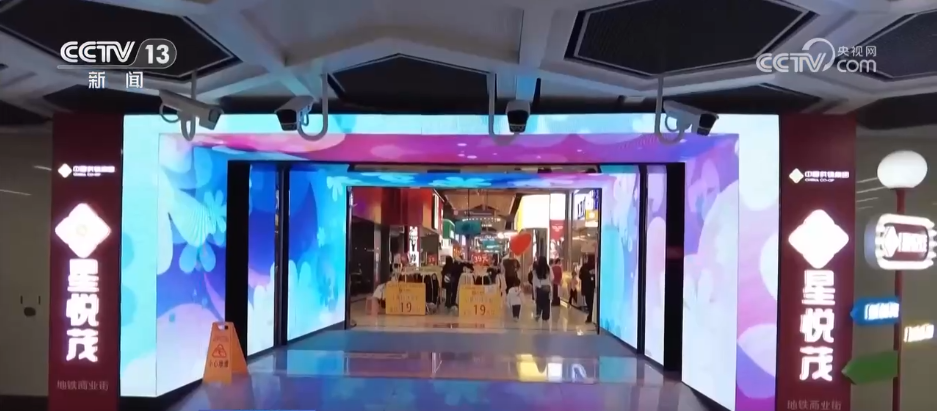
Core Insights - The article highlights the emergence of new consumer spaces in underground areas of cities, particularly in the western regions of China, where supply and marketing cooperatives are actively developing new commercial complexes and markets [1][8]. Group 1: Underground Commercial Development - In Guiyang, a 600-meter-long underground commercial street has been created, featuring over 160 brands, attracting a diverse customer base, especially young people [1][6]. - The unique topography of Guiyang has led to the development of "lightweight" products that cater to high-frequency consumer needs [3][6]. - The underground commercial space has added nearly 30,000 square meters of commercial area and created over 4,000 jobs in the Yunyan District of Guiyang [8]. Group 2: Integration of Transportation and Commerce - In Nanchang, the integration of supply and marketing cooperatives with metro services has resulted in the establishment of convenience stores within metro stations, enhancing the shopping experience for commuters [9][12]. - The tourism market in Guizhou is expected to grow steadily, with a reported 25% year-on-year increase in total tourism revenue in Guiyang's Yunyan District [10]. Group 3: Future Plans and Innovations - The China Supply and Marketing Cooperative plans to add 500,000 square meters of underground commercial space during the 14th Five-Year Plan, aiming to connect urban and rural areas and enhance consumer access [14][16]. - The cooperative system has established over 3,400 urban and rural markets nationwide, transitioning from traditional outlets to a smart distribution network to better meet new consumer demands [16].

B1火起来了
虎嗅APP· 2025-04-04 03:24
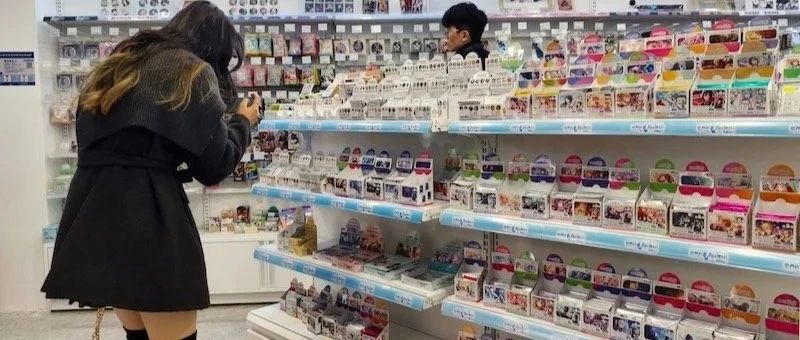
Core Viewpoint - The article discusses the transformation of underground commercial spaces in shopping malls, particularly focusing on the B1 level, highlighting the shift in consumer preferences and the emergence of new business models that cater to younger demographics and experiential consumption [3][4][5]. Group 1: Transformation of Underground Commercial Spaces - The B1 level of shopping malls is evolving into a "living laboratory" for consumers, with a significant increase in stores related to trendy items, plants, and pop culture, moving away from traditional dining options [3][4]. - In Shanghai, the underground commercial street is being revitalized by young designers who are transforming spaces into trendy destinations, indicating a broader trend of underground consumption [4][5]. - Data shows that by 2024, the number of adjusted underground commercial stores in benchmark malls across the country will exceed 5,800, indicating a significant shift in the retail landscape [5][6]. Group 2: Consumer Behavior and Preferences - Consumers are increasingly drawn to unique and experiential shopping environments, with a focus on aesthetics and novelty, leading to a decline in traditional retail formats [8][9]. - The underground commercial spaces benefit from lower rental costs (30%-40% lower than above ground) and high foot traffic due to proximity to transportation hubs, enhancing profitability [9][10]. - A "fragmented consumption formula" is emerging, where low average transaction values and high conversion rates are key to success in these underground spaces [10]. Group 3: Challenges and Opportunities - Despite the growth, underground commercial spaces face challenges such as high construction costs and strict safety regulations, which can limit the types of businesses that can operate there [18][19]. - The competition among food and beverage brands is intensifying, with many traditional dining establishments struggling to adapt to the new consumer landscape, leading to a high turnover rate of restaurants in malls [15][16]. - The article notes that while underground commercial spaces are thriving, not all businesses will succeed, as factors like location, consumer preferences, and market saturation play critical roles in determining success [20][21].