商业综合体

Search documents
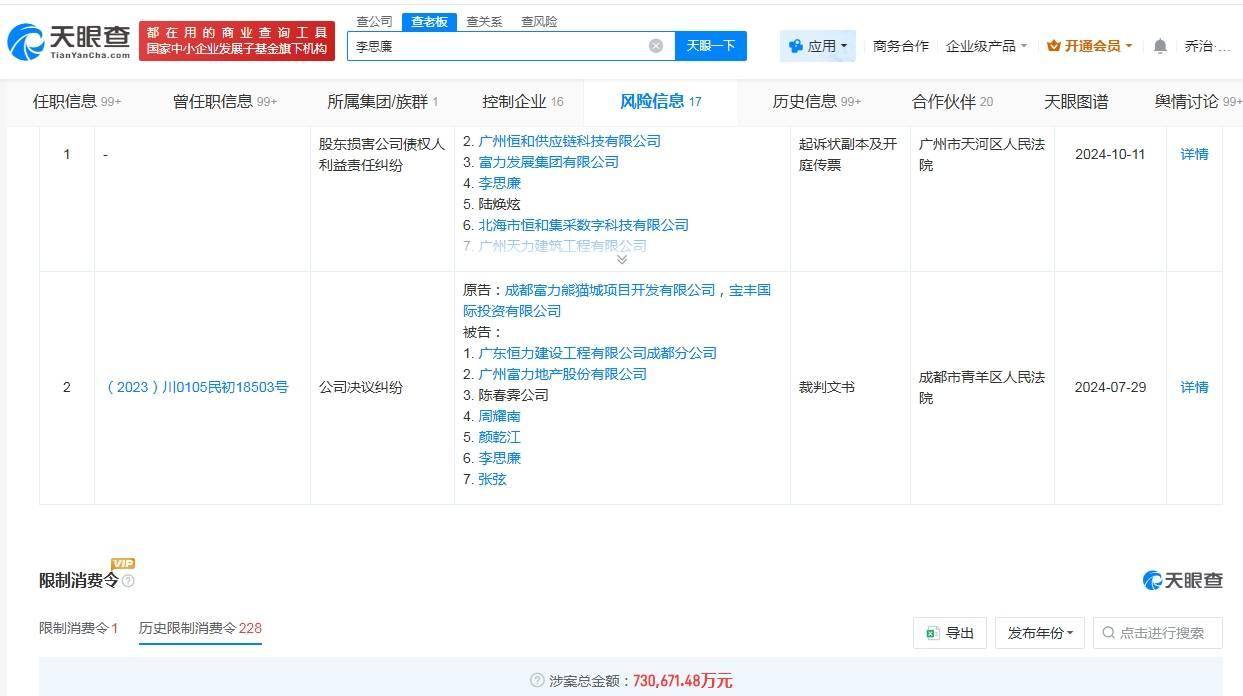
春节前后,富力地产董事长李思廉出境时被拦截! 被多地法院累计发布229次限消令, 富力地产债务逾期余额达368亿元,各种出售资产动作不断
Sou Hu Cai Jing· 2026-03-12 08:48
Group 1 - The chairman of R&F Properties, Li Siliang, was intercepted at the border due to a travel restriction imposed by the Tianjin Third Intermediate People's Court [1] - R&F Properties has been facing numerous legal challenges, including being listed as a dishonest executor and receiving 229 consumption restriction orders against Li Siliang [2] - The company has a significant overdue debt balance of 36.8 billion yuan, with various types of debts including corporate bonds and bank loans [7] Group 2 - R&F Properties has been actively selling assets to repay debts, including hotels and commercial properties, with sales occurring in multiple cities [9][10] - The company has made progress in restructuring its offshore debt, with a plan covering approximately 5 billion USD receiving creditor approval [11] - A restructuring plan for domestic bonds totaling around 12.5 billion yuan has been proposed, with some successful bond restructuring already completed [11]

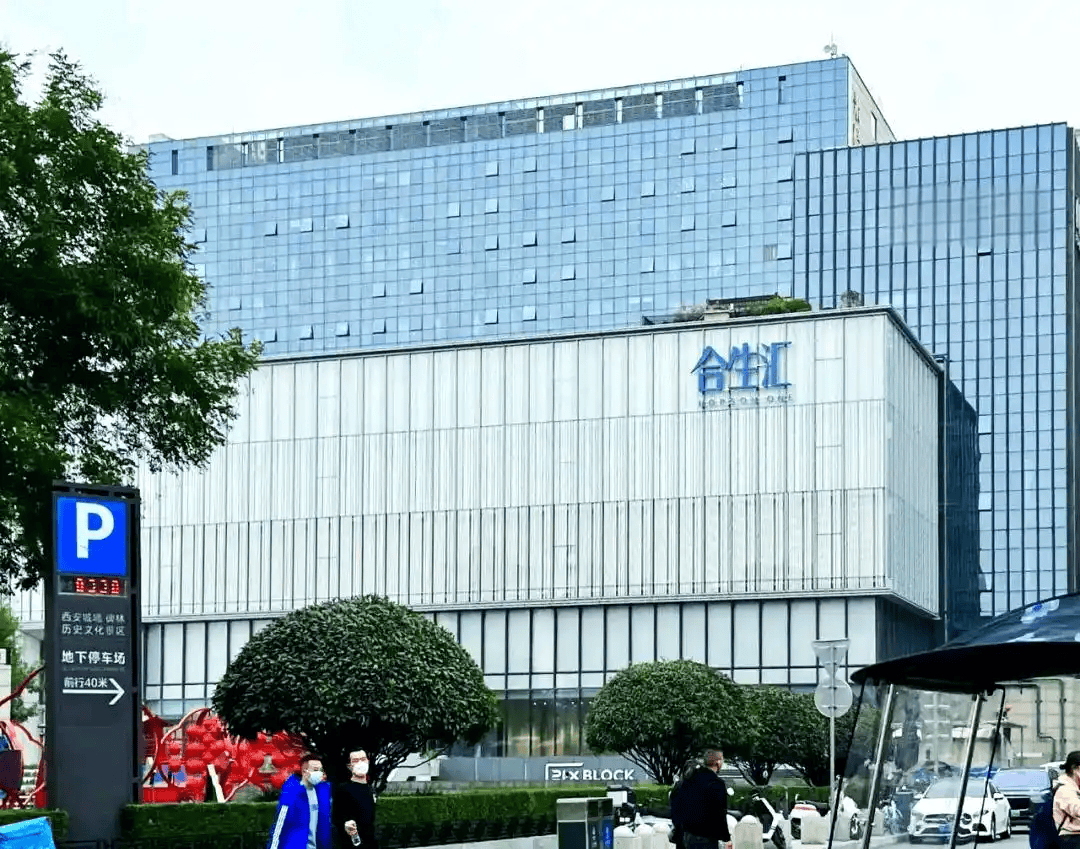
北京去年新开商业面积超150万平米:均衡布局构建“多中心”消费新格局
Sou Hu Cai Jing· 2026-01-25 22:12
Core Insights - Beijing is experiencing a significant expansion in commercial space, with over 1.5 million square meters of new commercial area expected to open by 2025, reflecting an optimization of urban space structure and an upgrade in consumption capacity [1][4] Group 1: Commercial Expansion - The new commercial openings are strategically planned to address the previous imbalance in commercial facility distribution across different regions of Beijing [1][3] - Key projects such as the Super Ultra Heshenghui in the northern region, Zhongguancun ART PARK in the western region, and the Bayli Commercial Entertainment Complex in the southern region are emerging as new commercial engines [3][4] Group 2: Cultural and Experiential Focus - New commercial projects are characterized by a blend of large-scale comprehensive complexes and smaller, culturally rich commercial streets, enhancing the consumer experience [4][5] - The focus on local culture and personalized experiences is evident in the introduction of national trend brands, designer shops, and boutique bookstores, catering to consumers' desires for immersive experiences [5] Group 3: Economic Impact - The expansion of commercial space is aligned with Beijing's strategy to build an international consumption center, aimed at boosting domestic demand and promoting consumption upgrades [7] - The new commercial spaces are expected to create numerous job opportunities, stimulate investment, and enhance regional economic prosperity, contributing to a more balanced and multi-centered commercial development pattern [7]
南京高科(600064) - 南京高科2025年第4季度房地产业务主要经营数据公告
2026-01-19 08:00
证券简称:南京高科 证券代码:600064 编号:临 2026-001 号 南京高科股份有限公司 2025 年第 4 季度房地产业务主要经营数据公告 本公司董事会及全体董事保证本公告内容不存在任何虚假记载、误导性陈述 或者重大遗漏,并对其内容的真实性、准确性和完整性承担个别及连带责任。 根据《上海证券交易所上市公司自律监管指引第 3 号——行业信 息披露》要求,特此公告南京高科股份有限公司(以下简称"公司") 2025 年第 4 季度房地产业务相关经营数据。 2025 年 1-12 月,公司无新增房地产项目储备。 2025 年 10-12 月,公司房地产业务无新开工,竣工面积 4.03 万 平方米,权益竣工面积 3.22 万平方米。2025 年 1-12 月,公司房地产 业务无新开工;竣工面积 8.20 万平方米,权益竣工面积 5.40 万平方 米。 2025 年 1-12 月,公司房地产业务实现合同销售面积 8.37 万平方 米(商品房项目 5.73 万平方米、经济适用房项目 2.64 万平方米),同 比增长 347.59%,实现权益合同销售面积 6.76 万平方米(商品房项目 4.65 万平方米、经济适用 ...

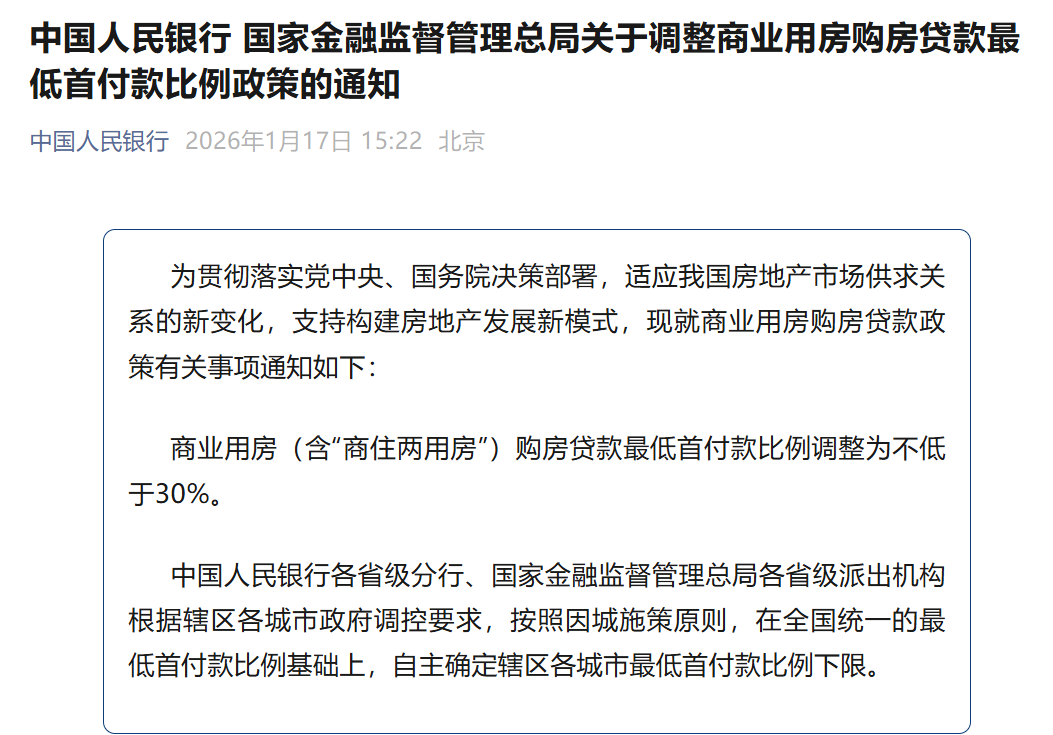
利好来了!两部门联合发布
Zhong Guo Ji Jin Bao· 2026-01-17 09:28
Core Viewpoint - The People's Bank of China has announced a reduction in the minimum down payment ratio for commercial property loans to 30%, aimed at stimulating the commercial real estate market and addressing inventory issues [1][3]. Group 1: Policy Changes - The minimum down payment ratio for commercial property loans, including "commercial-residential mixed-use properties," has been adjusted to no less than 30% [3]. - Previously, the minimum down payment ratio was set at 50%, with some banks requiring even higher ratios, making it difficult for buyers to enter the market [3]. - The adjustment is expected to lower the financial burden on buyers, particularly benefiting young individuals in first-tier cities [3]. Group 2: Market Context - The commercial real estate sector is facing significant inventory challenges, with approximately 52.34 million square meters of office space and 14 million square meters of commercial property available for sale, totaling nearly 200 million square meters [4]. - The central government and regulatory bodies are increasingly focused on reducing inventory in the commercial property sector, as evidenced by various supportive policies being implemented in different cities [4]. Group 3: Future Expectations - More cities are anticipated to implement policies aimed at reducing inventory in the commercial property market, which may include optimizing purchase restrictions to promote transaction activity [5]. - The reduction in the minimum down payment ratio is expected to stimulate demand from buyers with actual operational needs or long-term investment intentions, marking a significant national-level credit support for the commercial property market [5].
商业用房首付比例从50%降至30%,央行表示降准降息仍有空间,业内:将带动商办去化
Hua Xia Shi Bao· 2026-01-16 04:57
Core Viewpoint - The Chinese government is implementing policies to support the commercial real estate market by lowering the minimum down payment for commercial property loans to 30%, aiming to reduce inventory and improve the financial situation of real estate companies [2][3]. Group 1: Policy Changes - The minimum down payment for commercial property loans has been significantly reduced from 50% to 30%, which is expected to stimulate demand in the commercial real estate market [3]. - Various cities are introducing supportive policies to promote the operation of commercial projects, including allowing the conversion of existing commercial properties into rental housing [3]. Group 2: Market Conditions - The commercial real estate market has been experiencing high inventory levels, with a consensus among industry experts that the market's inventory reduction has lagged behind the residential market [3]. - In major cities like Beijing, Shanghai, and Shenzhen, the commercial market is facing declining rents and challenges in reducing vacancy rates, indicating a need for policy intervention [4]. Group 3: Impact on Demand - The new policy is expected to lower the initial financial burden on buyers, thereby releasing pent-up demand, particularly benefiting small businesses and startups [5]. - The reduction in down payment requirements is anticipated to enhance the liquidity of the commercial real estate market and improve cash flow for real estate companies [6]. Group 4: Future Outlook - The long-term recovery of the commercial real estate market will depend on sustained growth in consumption and services, as well as stability in the employment market [7]. - The central bank has indicated that there is still room for further reductions in interest rates, which could lower mortgage costs and stimulate housing demand [7].

一线调研 | 传统供销社“挖潜”消费新空间 服务向“新”引导消费新潮流
Yang Shi Wang· 2026-01-08 12:51
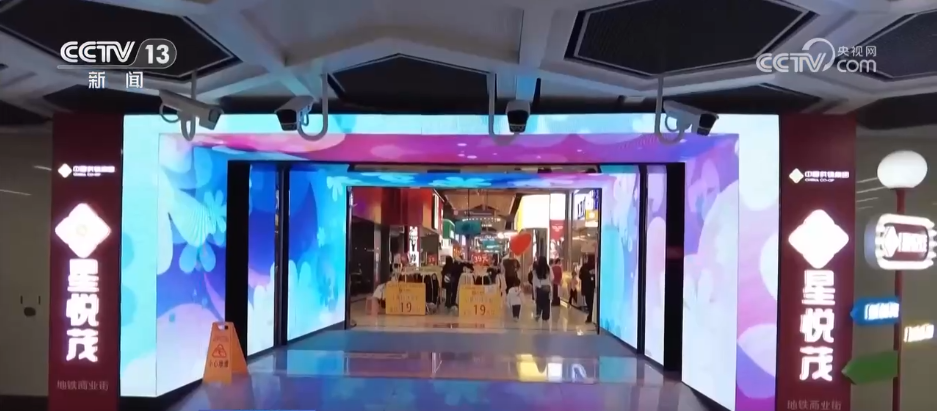
Core Insights - The article highlights the emergence of new consumer spaces in underground areas of cities, particularly in the western regions of China, where supply and marketing cooperatives are actively developing new commercial complexes and markets [1][8]. Group 1: Underground Commercial Development - In Guiyang, a 600-meter-long underground commercial street has been created, featuring over 160 brands, attracting a diverse customer base, especially young people [1][6]. - The unique topography of Guiyang has led to the development of "lightweight" products that cater to high-frequency consumer needs [3][6]. - The underground commercial space has added nearly 30,000 square meters of commercial area and created over 4,000 jobs in the Yunyan District of Guiyang [8]. Group 2: Integration of Transportation and Commerce - In Nanchang, the integration of supply and marketing cooperatives with metro services has resulted in the establishment of convenience stores within metro stations, enhancing the shopping experience for commuters [9][12]. - The tourism market in Guizhou is expected to grow steadily, with a reported 25% year-on-year increase in total tourism revenue in Guiyang's Yunyan District [10]. Group 3: Future Plans and Innovations - The China Supply and Marketing Cooperative plans to add 500,000 square meters of underground commercial space during the 14th Five-Year Plan, aiming to connect urban and rural areas and enhance consumer access [14][16]. - The cooperative system has established over 3,400 urban and rural markets nationwide, transitioning from traditional outlets to a smart distribution network to better meet new consumer demands [16].
23宗地、846亩、43亿!2025土拍为2026南宁楼市埋下了哪些伏笔?
Sou Hu Cai Jing· 2026-01-07 03:15
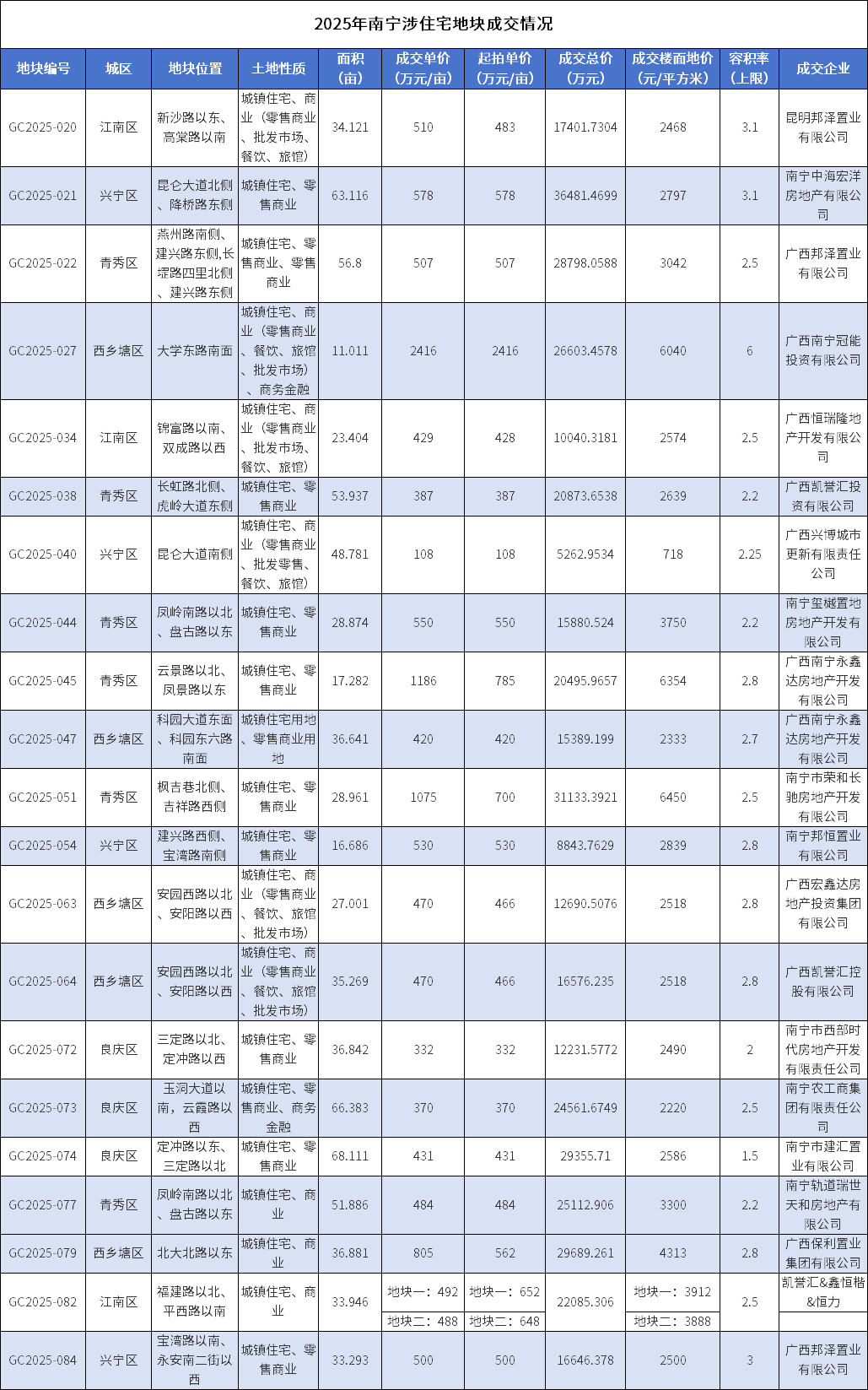
Core Insights - The 2025 Nanning land auction market has shown signs of rational recovery, with an increase in the number of land parcels sold, total area, and a slight rise in total revenue compared to 2024 [2][3][29] Summary by Categories Overall Market Performance - In 2025, Nanning sold 23 residential land parcels covering approximately 846 acres, generating over 4.3 billion yuan in revenue, compared to 18 parcels, 582.25 acres, and 4.01 billion yuan in 2024 [3][29] - The market exhibited a "front cold and back hot" trend, with only 4 parcels sold in the first half of the year, while the second half saw a surge, particularly on December 27, when 8 parcels were auctioned off in a single day [6][29] Key Trends - **Urban Village Renovation**: This was a central theme in the 2025 land auctions, with multiple key parcels coming from urban village renovation projects, enhancing urban renewal and living conditions [7][10] - **Wuxiang Lake West**: This area became a highlight with three parcels sold at the end of the year, focusing on low-density residential developments, indicating a shift towards more livable environments [11][13] - **Quality Housing**: The concept of "good housing" gained prominence, with many parcels having lower plot ratios, promoting high-quality residential developments [14][29] Notable Events - The most competitive auction was for a small commercial parcel in the ASEAN Business District, which saw 605 rounds of bidding, highlighting the demand for prime locations [16][19] - A significant auction on December 27 resulted in a total revenue of approximately 1.69 billion yuan from 8 parcels, marking it as the most lucrative month of the year [22][29] Implications for Future Market - The successful land auctions in 2025 are expected to provide a fresh supply of quality housing in 2026, particularly in core areas like Qingxiu District and Wuxiang Lake West, which will likely lead to a focus on improved housing products [23][25] - The participation of both state-owned and private enterprises in the land auctions is anticipated to enhance market confidence and promote healthy development in the real estate sector [26][29]
野村东方国际 “日本化”忧虑渐退的另一视角
野村· 2025-12-11 02:16
Investment Rating - The report suggests a cautious investment approach towards the real estate market, particularly in first-tier cities, while highlighting potential opportunities in non-first-tier cities and developed county economies [10][21]. Core Insights - The Chinese real estate market is fundamentally different from Japan's, with a higher proportion of self-funding and manageable overall leverage, which mitigates systemic risks [1][2]. - Since 2020, China's manufacturing sector has seen an increase in leverage, with high-end manufacturing continuously enhancing global competitiveness, contrasting with Japan's asset-liability issues due to real estate speculation [1][2]. - The report emphasizes the importance of maintaining employment stability and improving household income expectations to avoid a deflationary spiral similar to Japan's [1][2]. - China's regional economy is developing in a multi-point flowering pattern, avoiding the polarization seen in Japan's major cities, with a more balanced distribution of industries [1][5]. - Non-first-tier cities and developed counties present significant growth prospects, with a more equitable distribution of large enterprises and active participation in global competition [1][7]. Summary by Sections Real Estate Market - The report identifies a trend of young people and retirees leaving first-tier cities in search of more suitable living conditions, with significant differences in housing repayment periods across city tiers [21]. - First-tier cities face longer repayment periods for home loans, with Beijing requiring 18 years of income to repay, while non-first-tier cities generally require around 10 years [21]. Consumer Behavior - Lower-tier consumers prioritize brand and symbolic consumption, while higher-tier consumers lean towards shared economy and personalized needs [23]. - The tea beverage industry shows significant growth in lower-tier markets, with brands like Gu Ming achieving a compound annual growth rate of 25.8% from 2022 to 2024 [24]. Economic Development - The report highlights that non-first-tier cities are successfully attracting young talent through improved living conditions and job opportunities, contrasting with the declining attractiveness of first-tier cities [16][17]. - County economies are thriving by leveraging local resources and developing unique economic models, leading to increased property market activity [20]. Investment Opportunities - Investors are advised to focus on consumer companies in non-first-tier cities and developed counties, while exercising caution with investments in first-tier and quasi-first-tier consumer companies [10].
以商业地产之力促产城融合发展
Zheng Quan Ri Bao· 2025-11-21 16:22
Core Viewpoint - The article emphasizes the importance of urban high-quality development during the "14th Five-Year Plan" period, highlighting the need for cities to transition from "quantitative accumulation" to "qualitative leap" through industrial integration and commercial real estate transformation [1] Group 1: Role of Commercial Real Estate - Commercial real estate is evolving into an "accelerator" for industrial innovation, responding to the diverse needs arising from emerging industries such as biomedicine and new energy vehicles, which significantly increase the demand for customized spaces like laboratories and industrial parks [3] - The expansion of digital economy infrastructure is driving a surge in demand for new types of real estate, such as data centers and smart office spaces, potentially leading to investment scales reaching trillions of yuan, representing a substantial market opportunity [3] Group 2: Multi-Industry Integration - The traditional commercial real estate model of merely building and renting properties is becoming obsolete; instead, there is a shift towards creating integrated "commercial bodies" that combine multiple industry functions and smart infrastructure [4] - Developers are encouraged to adapt their layouts and industry combinations based on urban development trends, capturing differentiated demand opportunities from regional industries and moving towards a composite functional development path that aligns with smart city initiatives [4] Group 3: Urban Renewal as a New Engine - Urban renewal is crucial for the high-quality development of large and mega cities, with a projected market capacity of approximately 20 trillion yuan during the "14th Five-Year Plan" period [5] - The focus of urban renewal should be on creating a new urban ecosystem through the integration of culture, technology, industry, and commerce, promoting the use of green and low-carbon products to reconstruct urban commercial spaces [5] Group 4: Challenges and Opportunities - Integrating cultural and industrial elements into commercial real estate poses challenges, as homogenized developments may not enhance value; thus, developers must strategize on resource integration to ensure a complete and orderly operational ecosystem [6] - Innovations in financial tools like REITs are opening new funding channels for commercial real estate, providing the necessary support for innovation and enhancing the role of commercial real estate as a driving force for urban renewal [6]
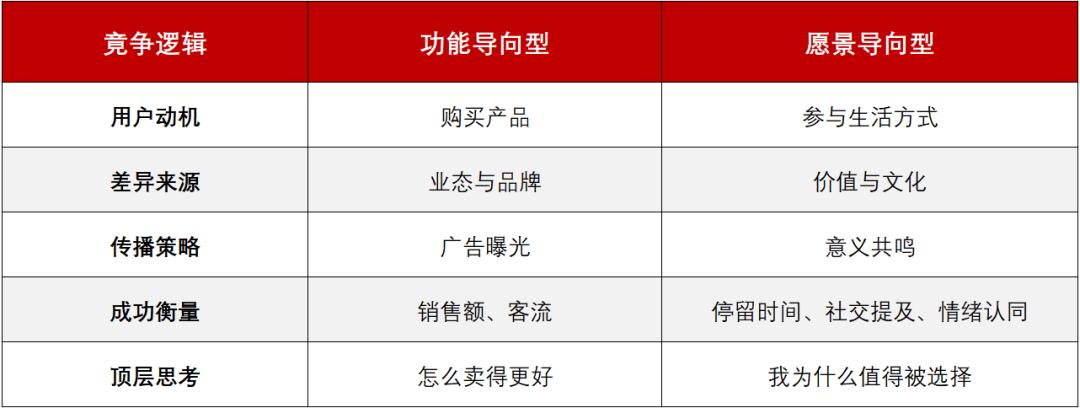
对比世界级标杆商业,中国新一代商业的关键差距是什么?
3 6 Ke· 2025-11-18 02:56
Core Insights - The article emphasizes the importance of a strategic vision in commercial projects, contrasting it with the functional efficiency that has dominated the Chinese market for the past two decades [2][10][17] - It highlights that successful global commercial projects have a clear "existence declaration" that defines their identity and purpose, integrating cultural and social values into their offerings [1][3][11] Group 1: Strategic Vision vs. Functional Orientation - The shift from "functional orientation" to "strategic vision" is a critical evolution in commercial development, where projects must transcend mere operational efficiency to become cultural nodes within urban narratives [2][3] - Global benchmarks like ICONSIAM and Tokyo's Azabudai Hill exemplify how commercial spaces can embody cultural confidence and societal values, while many Chinese projects remain trapped in a functional logic [1][3][4] Group 2: Stages of Commercial Evolution - The evolution of Chinese commercial spaces can be categorized into five stages, from physical space to social and meaning spaces, reflecting a historical context for the absence of a strategic vision [5][6][9] - The fifth stage emphasizes the role of commercial entities as cultural representatives and public spaces, necessitating a shift in focus from mere profitability to cultural and social responsibilities [9][10] Group 3: The Necessity of Vision in Modern Commerce - The article argues that modern consumers, particularly younger generations, prioritize spaces that offer emotional value and meaningful experiences over mere transactional interactions [12][14] - A clear vision is essential for differentiating commercial spaces in a saturated market, as it provides a foundational narrative that resonates with consumers [12][13][14] Group 4: Building an Effective Strategic Vision - An effective strategic vision must possess directionality, integrative qualities, and the ability to attract like-minded users and partners, serving as a guiding principle for all operational aspects [15][16] - The vision should not be a superficial slogan but a core element that influences resource allocation, experience design, and community engagement [15][16] Group 5: Conclusion - The article concludes that for Chinese commercial entities to compete on a global scale, they must transition from a strategy-focused approach to one that emphasizes a meaningful strategic vision, addressing the scarcity of meaning in a market saturated with products [17]