
方言文化

Search documents
过年返乡,一场大型的方言水平测试 | 编辑部聊天室
Xin Lang Cai Jing· 2026-02-22 03:30
Group 1 - The article discusses the impact of dialects on identity and social interactions, particularly during family gatherings and cultural exchanges [2][4][5] - It highlights the generational differences in language use, where younger individuals often feel pressure to adapt to standard Mandarin in urban settings while older generations may prefer their local dialects [2][6] - The article notes that dialects can carry social connotations, with some being perceived as fashionable while others are seen as less sophisticated, reflecting broader societal values [5][6][9] Group 2 - The discussion includes how dialects are represented in media and entertainment, with dialect films and regional music gaining popularity, showcasing local culture [14][24][25] - It emphasizes the role of social media in reshaping perceptions of dialects, allowing for a more diverse representation of regional identities [9][24] - The article also touches on the preservation of dialects in contemporary society, noting that while some dialects are thriving, others are at risk of fading due to urbanization and the dominance of standard Mandarin [31][32][34] Group 3 - The article explores the evolution of dialects in artistic expressions, such as films and music, where dialects are used to convey cultural narratives and local experiences [14][25][27] - It discusses the significance of dialects in expressing personal and communal identities, particularly in the context of regional pride and cultural heritage [27][29] - The article concludes with examples of how dialects have entered mainstream language, illustrating their adaptability and relevance in modern communication [34][36][37]

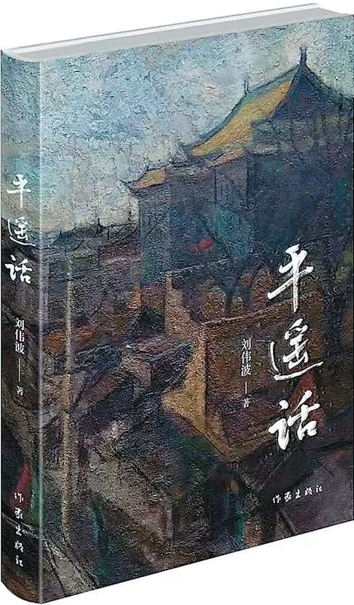
蕴藏在烟火人间的历史与文化
Ren Min Ri Bao Hai Wai Ban· 2025-11-06 01:59
Core Viewpoint - The novel "Pingyao Talk" by Liu Weibao intricately weaves the history and culture of Pingyao, showcasing the lives of three generations through the lens of local dialect and customs, making it a significant cultural narrative [2][4]. Summary by Sections Cultural Significance - "Pingyao Talk" is described as a cultural novel that reflects the author's deep connection to his hometown, using local dialect as a narrative tool to explore family history and local customs [2][3]. Narrative Style - The novel employs a dictionary-style writing approach, which presents a unique challenge in accurately representing local dialects and their cultural significance, while also ensuring narrative fluidity [3][4]. - The author effectively balances the use of local terms with broader linguistic considerations, making the narrative accessible to both local and non-local readers [3]. Character and Plot Development - The protagonist Liu Yuan and his family navigate historical changes, with the narrative style providing a light-hearted yet poignant exploration of their lives, contrasting the weight of their experiences with a sense of ease [4]. - The novel stands out for its comprehensive portrayal of Pingyao's culture through the lens of a single family's experiences, making it a noteworthy contribution to literature about the region [4].
“发现真实中国的立体、多元、美好”(外国博主眼中的中国)
Ren Min Ri Bao· 2025-10-04 21:50
Core Points - The article highlights the efforts of foreign individuals in China to promote and preserve local dialects and cultures through social media, showcasing a vibrant and diverse image of China to the world [1][2][3][4][5][6]. Group 1: Cultural Exchange and Preservation - Wu Feide, an Argentine youth, focuses on researching and preserving the Shanghai dialect, utilizing social media to engage audiences and promote local culture [2][3]. - The establishment of a "Hometown Sound Museum" in Jinshan District reflects the growing recognition of dialect preservation efforts, with Wu Feide's work contributing to the documentation of local dialects [2][3]. - Wang Xiaole, a Tanzanian student, creates over 3,000 short videos in Swahili, sharing his experiences in China and promoting cultural understanding between Africa and China [4][5]. Group 2: Digital and Traditional Cultural Integration - French national Foudil, a teacher in Hangzhou, explores the integration of advanced technologies like AI and AR with traditional cultural elements, highlighting the evolution of digital culture in China [5][6]. - Foudil's experiences in various Chinese cities and rural areas reveal a rich tapestry of cultural practices, emphasizing the importance of travel in understanding Chinese culture [6].