
城市配套服务商

Search documents
郁亮往事
YOUNG财经 漾财经· 2026-01-13 10:34
Core Viewpoint - The article discusses the retirement of Yu Liang, a significant figure in Vanke's history, highlighting his contributions and the challenges faced by the company during his tenure, reflecting the broader fluctuations in China's real estate industry [4][15]. Group 1: Yu Liang's Career and Contributions - Yu Liang submitted his retirement notice on January 8, 2026, marking the end of his 35-year career at Vanke, where he played a pivotal role in the company's growth from 3 billion yuan in sales to 700 billion yuan [4]. - He joined Vanke in 1990 and quickly became integral to the company's financial strategies, leading to a successful B-share listing that raised 4.5 billion HKD, which was crucial for Vanke's national expansion [6]. - Under Yu's leadership, Vanke achieved a sales target of 1 trillion yuan by 2010, becoming the first Chinese real estate company to reach this milestone, establishing its position as an industry leader [7][8]. Group 2: Strategic Shifts and Challenges - In 2014, Yu Liang predicted the end of the "golden era" for real estate, prompting Vanke to diversify into various sectors, including logistics and long-term rentals, to adapt to changing market conditions [8]. - Despite high sales figures, Vanke faced declining profit margins and cash flow issues from 2019 to 2021, with net profit dropping by 45.75% in 2021, leading to Yu's public apology for disappointing shareholders [10][11]. - By 2023, Vanke canceled dividends for the first time in 31 years and announced plans to reduce interest-bearing debt by over 100 billion yuan within two years, reflecting the company's efforts to manage financial strain amid a challenging market [11][12]. Group 3: Transition and Future Outlook - In 2024, Vanke experienced a liquidity crisis, with 1.5828 billion yuan in short-term debt and a net loss of nearly 50 billion yuan, marking the first annual loss since its listing in 1991 [12][13]. - Following this, a board restructuring occurred, with Yu Liang stepping down from his chairman role, indicating a shift towards state-owned enterprise leadership [13]. - Despite the challenges, Yu expressed cautious optimism about the industry's recovery, suggesting that with policy support, the real estate sector could gradually stabilize [13].


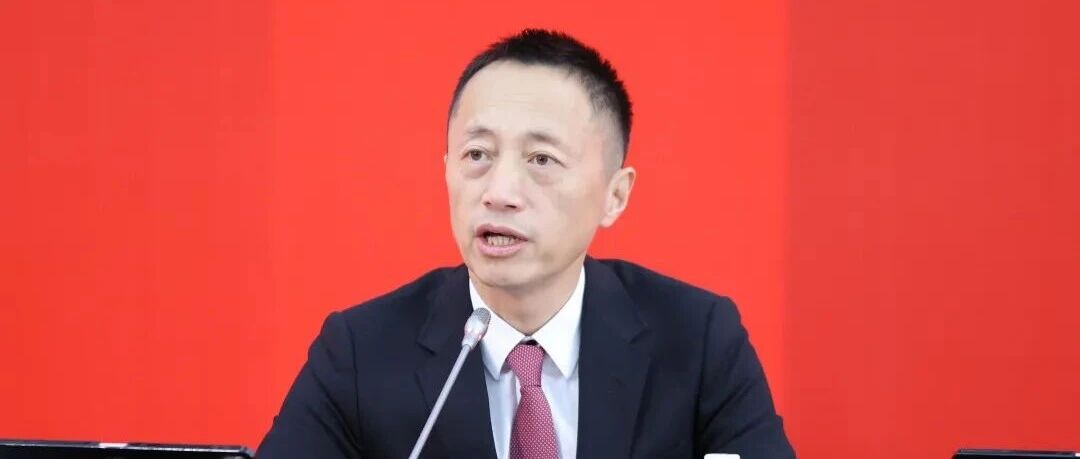
郁亮“到龄退休”,35年万科生涯如何“告别”
Xin Lang Cai Jing· 2026-01-09 06:28
Core Viewpoint - The resignation of Yu Liang marks the end of a significant 35-year career at Vanke, a company he helped grow into China's first real estate firm with over 100 billion yuan in sales. His departure raises questions about the future direction of the company amidst ongoing industry challenges [1][9]. Group 1: Career Milestones - Yu Liang joined Vanke in 1990 during a critical transition period for the company, which was shifting from diversified operations to a focus on real estate [2]. - He played a key role in Vanke's initial public offering in 1991 and was instrumental in securing financing for the company's early national expansion [2]. - Under his leadership, Vanke achieved a sales target of over 100 billion yuan in 2010, becoming the first Chinese real estate company to do so [3]. Group 2: Strategic Initiatives - Yu Liang introduced the "5986 model" during the 2008 financial crisis, which emphasized rapid project turnover to mitigate market downturns, resulting in a sales increase to 478.7 billion yuan that year [3]. - He initiated a transformation of Vanke from a traditional residential developer to a "city service provider," expanding into commercial real estate, property services, and logistics [3][5]. Group 3: Challenges and Responses - The "Baowan Battle" in 2015 posed significant challenges to Vanke's management stability, leading to concerns about the company's governance and operational continuity [4]. - In response to declining sales and profits in 2021, Yu Liang acknowledged management issues and emphasized the need for a more focused strategy to navigate the competitive landscape [7][8]. - Vanke's reported net profit loss of 450 billion yuan in 2024 prompted a strategic shift to streamline operations and focus on core business areas [8]. Group 4: Future Outlook - Yu Liang's departure has led to increased scrutiny of Vanke's future direction and governance, similar to the discussions that followed the exit of the company's founder, Wang Shi [9].