声音权

Search documents
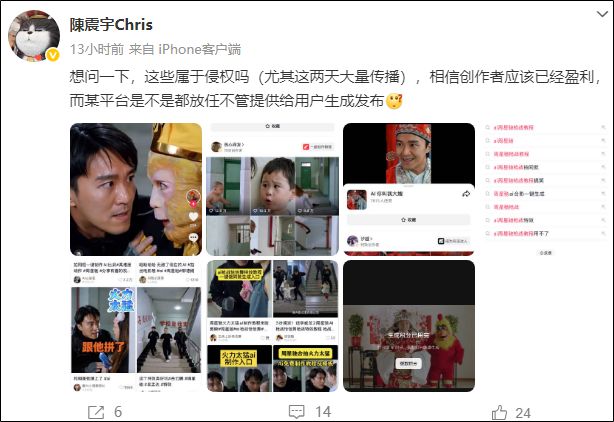
AI生成周星驰经典电影片段!专家:有法律风险
Huan Qiu Wang Zi Xun· 2026-02-11 05:29
Group 1 - The core issue revolves around the potential copyright infringement of AI-generated videos featuring classic movie clips of Stephen Chow, as raised by his agent, who questions the legality of such widespread distribution and potential profit by creators [1][2] - Many netizens believe that the AI-generated content constitutes copyright infringement, highlighting a growing concern over intellectual property rights in the digital age [3] - The emergence of AI-generated New Year greeting videos featuring celebrities and historical figures has gained popularity, raising questions about the legality and ethical implications of using such likenesses without consent [4] Group 2 - The Civil Code of the People's Republic of China explicitly protects portrait rights and voice rights, indicating that unauthorized deep synthesis of personal images and voices infringes on individual rights [6] - According to the Civil Code and regulations on deep synthesis, the unauthorized creation and dissemination of personal likenesses and voices, even for non-commercial purposes, can lead to legal accountability [8] - Experts emphasize the need for platforms to enhance content review and labeling, while users should increase awareness of copyright issues to prevent the spread of infringing content, ensuring that AI technology contributes positively to cultural celebrations [8]

AI拜年“玩过界”小心侵权风险
Xin Lang Cai Jing· 2026-02-07 06:21
Core Viewpoint - The rise of AI-generated New Year greetings on short video platforms has sparked both creativity and concerns regarding copyright infringement and the unauthorized use of public figures' images [1][2]. Group 1: AI Technology in New Year Greetings - AI technology has introduced innovative ways for users to send New Year greetings, with notable examples including videos featuring celebrities like Chen Peisi and sports star Kylian Mbappé [1]. - Users can create AI-generated videos that incorporate famous personalities, often using templates available on short video platforms, making it accessible even for older generations [2]. Group 2: Legal and Ethical Concerns - The unauthorized use of celebrities' images and voices in AI-generated content raises significant legal risks, including potential violations of portrait rights and reputation rights as outlined in the Civil Code [2][3]. - The act of "face-swapping" without permission directly interferes with the rights of the individual, potentially leading to negative public perceptions if the context is inappropriate [3]. - The protection of an individual's voice is also covered under the Civil Code, indicating that unauthorized recording or cloning of voices can lead to civil liability, especially if it causes confusion regarding identity [3].

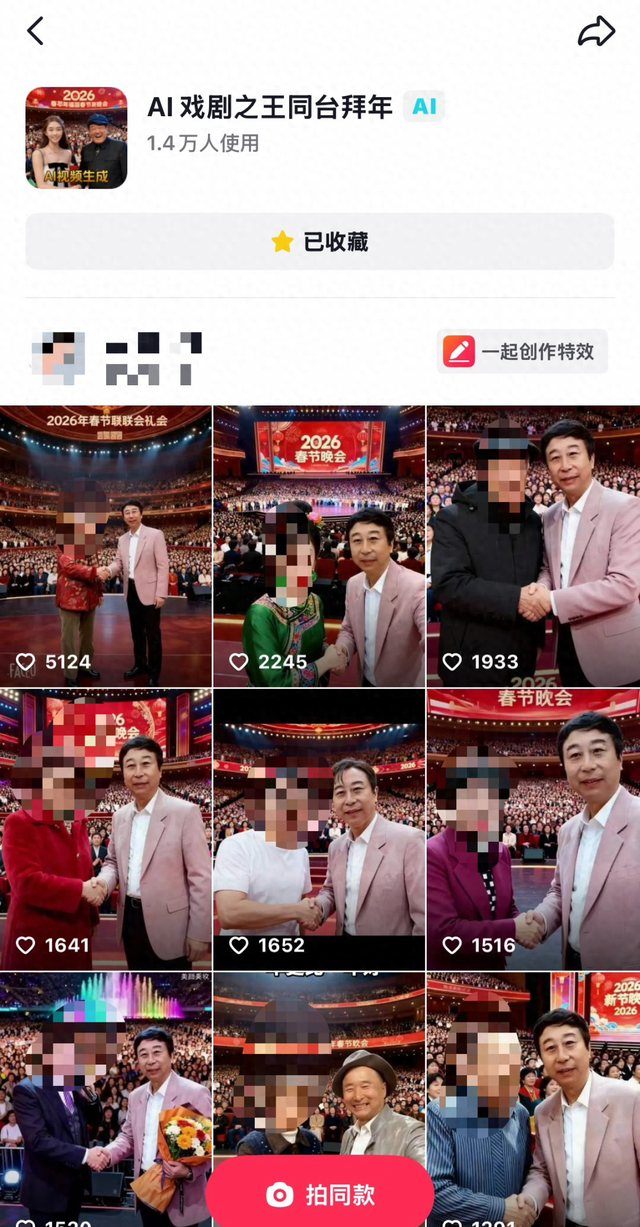
穿越去春晚,“陈佩斯”送祝福、“姆巴佩穿唐装”?AI拜年,小心侵权!
Xin Lang Cai Jing· 2026-02-07 05:13
Core Viewpoint - The rise of AI-generated New Year greetings on short video platforms has introduced innovative ways for users to celebrate, but it also raises concerns about potential copyright infringement related to the unauthorized use of public figures' images and voices [1][9]. Group 1: AI New Year Greetings - AI technology has enabled the creation of videos featuring celebrities like Chen Peisi and Mbappé, who are seen wishing users a Happy New Year in a unique manner [1]. - Users can easily generate AI videos with celebrities by using templates available on short video platforms, making it accessible even for older generations [3][5]. Group 2: Copyright and Legal Risks - There are significant legal risks associated with using others' images or voices without permission, which could infringe on their portrait rights and reputation [9]. - The Civil Code stipulates that individuals' images cannot be used without explicit consent, and unauthorized use could lead to civil liability [9][10]. Group 3: Platform Responsibilities - Legal experts suggest that platforms should enhance user guidance and implement measures to prevent copyright infringement, such as requiring authorization for the use of celebrities' images [10]. - Platforms may face liability if they provide templates that facilitate infringement or fail to establish effective mechanisms for handling complaints [10].
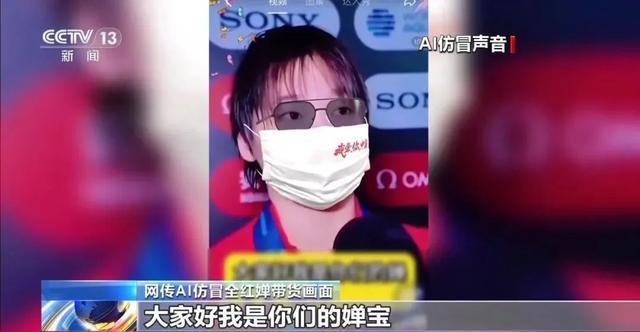
全红婵孙颖莎王楚钦带货土鸡蛋?用“AI盗声”牟利该担何责?
Huan Qiu Wang Zi Xun· 2025-08-24 01:54
Core Viewpoint - The misuse of AI voice cloning technology to impersonate Olympic champions for selling products on social media has raised significant concerns among the public and legal experts [1][3][5]. Group 1: Incident Overview - AI technology has been used to clone the voices of Olympic champions such as Quan Hongchan, Sun Yingsha, and Wang Chuqin to promote agricultural products on short video platforms [1][3]. - A specific case involved a self-media account that published 17 videos using AI to mimic Quan Hongchan's voice, achieving over 11,000 likes on one video, with 47,000 units of the promoted product sold [1][3]. Group 2: Legal Implications - The unauthorized use of AI to impersonate Olympic champions infringes on their rights, including name rights, voice rights, and portrait rights, as outlined in the Civil Code [6]. - If the impersonation leads to defamation or the sale of counterfeit products, the infringer may face civil liabilities, including compensation for damages and public apologies [6]. Group 3: Consumer Rights - Consumers misled by AI-generated content can file complaints with the broadcaster, platform, or merchant, and if unresolved, can escalate to consumer associations or legal action [7]. - Evidence such as video recordings of the purchasing process can aid consumers in claiming refunds or compensation, especially if they receive counterfeit products [7]. Group 4: Platform Responsibilities - Short video platforms must verify the identities of broadcasters and ensure they have authorization to use AI-generated content featuring celebrities [8]. - Platforms are required to implement mechanisms for quickly identifying and removing infringing content, and failure to do so may result in shared liability with the infringer [9].