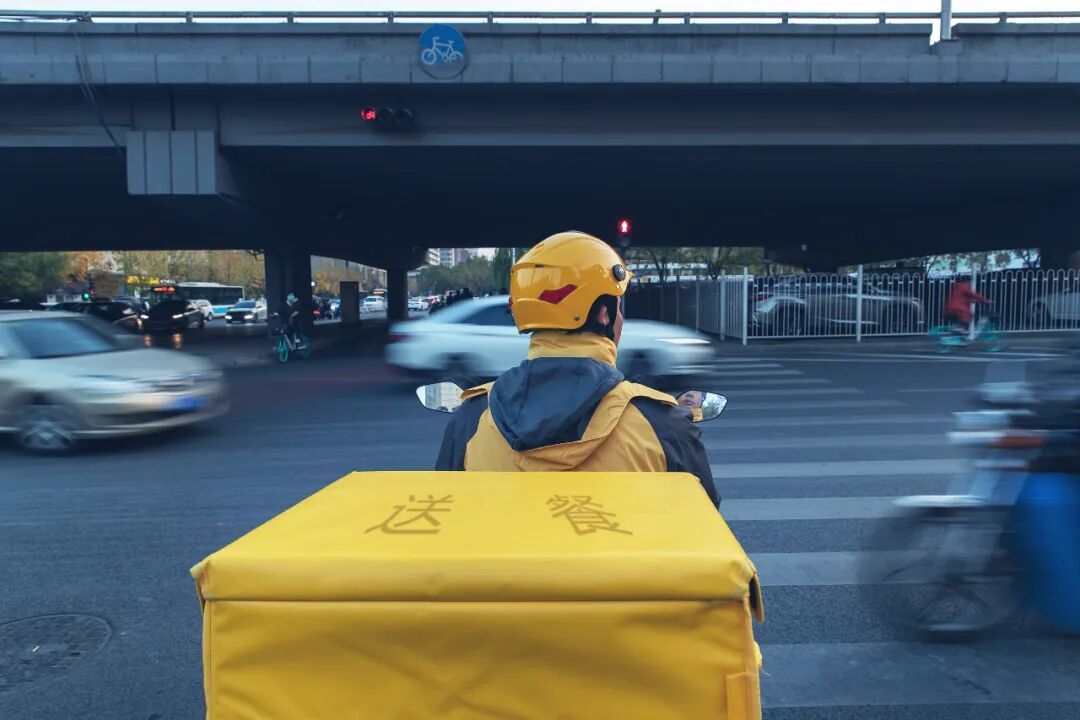
外卖平台骑手竞争

Search documents
外卖抢人大战,骑手成抢手资源?美团、淘宝闪购真金白银急挖人
Mei Ri Jing Ji Xin Wen· 2025-12-27 06:12
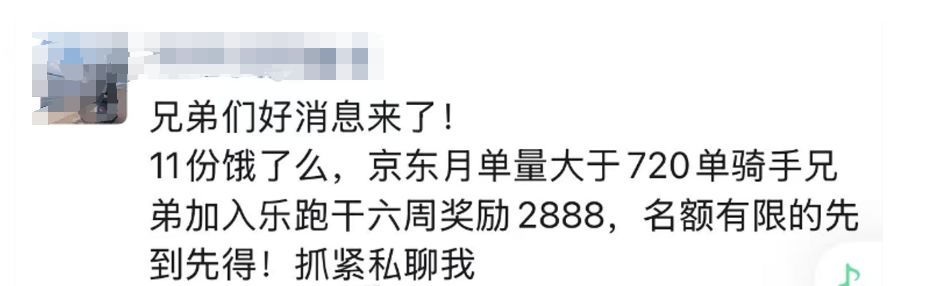
Core Viewpoint - The competition in the food delivery industry has intensified as companies like Meituan and Taobao Flash are offering substantial "transfer" bonuses to attract experienced riders, reflecting a shift from user subsidies to human resource competition [1][2][6] Group 1: Rider Recruitment Strategies - Meituan offers a reward of 2888 yuan for riders who switch from Ele.me or JD with a monthly order volume exceeding 720 [1][4] - Taobao Flash provides a 3000 yuan bonus for riders who have completed over 140 orders on competing platforms and join their service for four consecutive weeks, along with an additional 1000 yuan for the referrer [1][4] - The recruitment efforts are localized and not part of a nationwide campaign, indicating a targeted approach based on specific market conditions [5] Group 2: Industry Dynamics - The competition for riders is seen as a necessary response to the seasonal demand surge and operational challenges faced by delivery platforms [2][6] - The industry has witnessed a significant increase in rider mobility, with many riders switching platforms based on short-term incentives [6][9] - The overlap of active riders across platforms has increased significantly, indicating a trend of riders being in a "wait-and-see" mode regarding their employment choices [7] Group 3: Long-term Strategies and Welfare Improvements - Companies are beginning to focus on long-term rider retention strategies, including social security subsidies, housing support, and improved working conditions [8][9] - Meituan has announced a nationwide social security subsidy program and plans to invest 10 billion yuan over five years to enhance rider welfare [8] - JD has committed to investing 22 billion yuan over five years to provide housing solutions for delivery personnel [8] Group 4: Future Outlook - The industry is transitioning from a focus on short-term subsidies to a more sustainable model that emphasizes rider rights and welfare [9] - The stability and quality of the rider workforce are crucial for enhancing service quality and operational efficiency, which will be key differentiators in the competitive landscape [9]



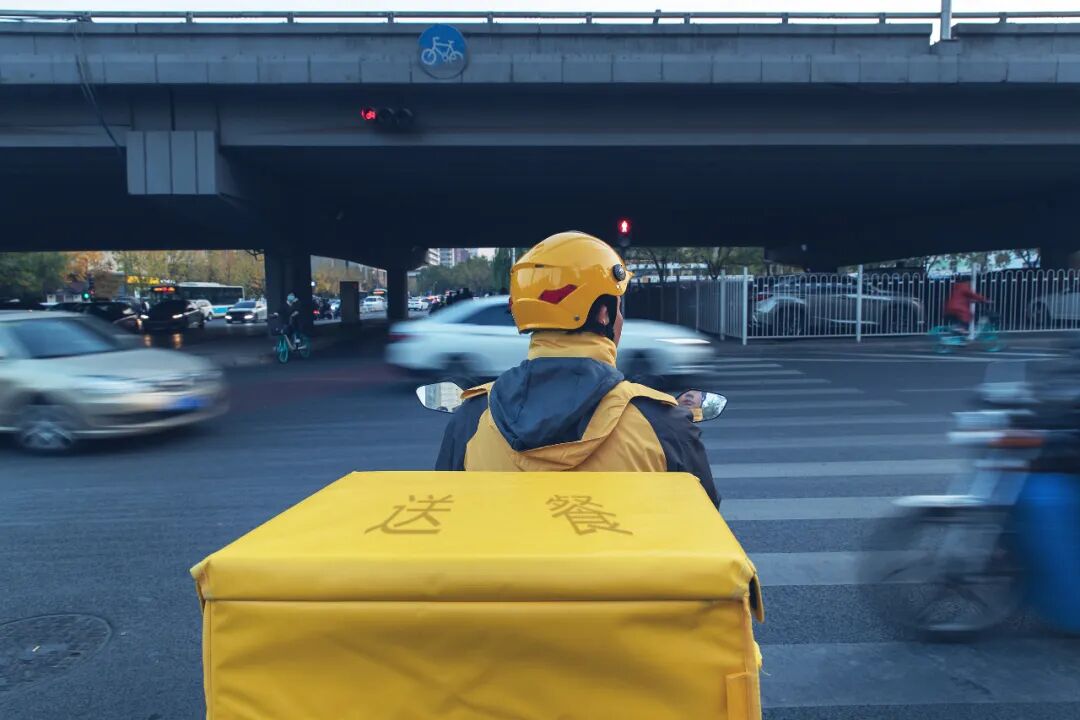
外卖抢人大战,骑手成“抢手资源”?北京城里,美团、淘宝闪购真金白银急挖人:“转会费”最高3000元、邀请人再奖1000元
Mei Ri Jing Ji Xin Wen· 2025-12-27 04:41
Core Viewpoint - The competition in the food delivery industry has intensified as companies like Meituan and Taobao Flash are offering substantial "transfer" bonuses to attract experienced riders, reflecting a shift from user subsidies to human resource competition [1][2][8] Group 1: Transfer Bonuses - Meituan offers a reward of 2888 yuan for riders who had over 720 orders on Ele.me or JD in November and join Meituan for six weeks [5] - Taobao Flash provides a 3000 yuan reward for riders who completed over 140 orders on competing platforms from December 15 to 21 and join its preferred program for four consecutive weeks, along with a 1000 yuan bonus for the referrer [4][5] - These recruitment incentives are limited to specific areas in Beijing and are not a nationwide initiative, indicating a targeted approach to address local rider shortages [7] Group 2: Industry Dynamics - The competition for riders is a response to the year-end surge in demand and operational capacity challenges, marking a deeper industry shift towards securing human resources [2][8] - The high turnover of riders, particularly those with less than one year of experience, is influenced by short-term financial incentives, while more experienced riders tend to prioritize stable order volumes and platform reliability [4][8] - The industry has seen a significant increase in rider overlap across platforms, indicating a trend where riders are more willing to switch based on benefits and conditions offered by different companies [9] Group 3: Long-term Strategies - Companies are beginning to implement long-term strategies to improve rider welfare, such as social security subsidies, housing support, and other benefits, moving away from solely relying on cash incentives [10][11] - The focus is shifting towards creating a stable and efficient rider ecosystem, which is crucial for enhancing service quality and user retention [11][12] - Analysts suggest that the future of competition will hinge on the ability to build a sustainable rider workforce through improved working conditions and benefits rather than just short-term financial rewards [10][11]

“转会费”最高3000元、邀请人再奖1000元!北京部分区域骑手成抢手资源 美团、淘宝闪购真金白银急挖人
Mei Ri Jing Ji Xin Wen· 2025-12-26 13:56
Core Viewpoint - The competition in the food delivery industry has intensified as companies like Meituan and Taobao Flash are offering substantial "transfer" bonuses to attract experienced delivery riders, reflecting a shift from user subsidies to human resource competition [1][2][5] Group 1: Rider Recruitment Strategies - Meituan offers a reward of 2888 yuan for riders who switch from Ele.me or JD with a monthly order volume exceeding 720, while Taobao Flash offers 3000 yuan for riders with over 140 orders in a week from competing platforms [1][3] - The recruitment efforts are localized and not part of a nationwide campaign, indicating a targeted approach based on rider distribution and order volume in specific areas [4] - The competition for riders is not just about immediate financial incentives but also about ensuring stable service quality and operational capacity during peak demand periods [5][6] Group 2: Industry Trends and Challenges - The food delivery industry is experiencing a shift where companies are not only competing for customers but also for skilled riders, highlighting the importance of rider stability and service quality as core competitive advantages [6][7] - The high turnover rate among riders, driven by attractive short-term incentives, poses challenges for long-term stability and operational efficiency within the industry [6][9] - Companies are increasingly recognizing the need to improve rider welfare and job satisfaction through benefits such as social security subsidies, housing support, and other human-centric initiatives [8][9] Group 3: Long-term Strategies - The industry is moving towards a more sustainable model that focuses on rider rights and long-term benefits rather than just short-term financial incentives [9] - Companies are implementing diverse retention strategies, including the cancellation of late penalties and the provision of housing guarantees, to build a more stable and efficient rider ecosystem [9][10] - The ability to create a stable and efficient rider workforce will be crucial for companies to differentiate themselves in a competitive market and influence the long-term market landscape [9][10]