外部支撑动摇

Search documents
美俄对话引欧洲被边缘化忧虑,同时面临多重压力
Sou Hu Cai Jing· 2025-12-18 07:15
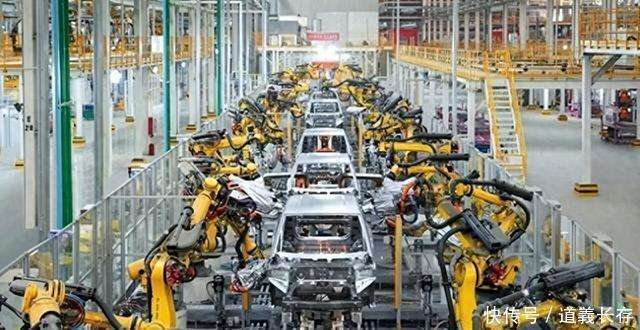
Core Viewpoint - Europe's current crisis is not a sudden decline but rather the culmination of long-term structural issues that have finally come to light [1] Group 1: Historical Context - Europe's initial capital accumulation was largely derived from wealth generated during the colonial era, including silver, spices, resources, and labor [3] - The industrial revolution, world wars, and reparations systems helped maintain Europe's advantageous position in the global resource landscape [3] Group 2: External Supports - Three external supports have historically underpinned modern Europe's high welfare society: 1. U.S. security guarantees post-World War II allowed Europe to significantly reduce defense budgets, reallocating funds to welfare and social spending [3] 2. Russian energy support provided cheap natural gas, enabling European industries to maintain a competitive cost structure [5] 3. China's supply chain and low-cost goods helped stabilize domestic prices and facilitated ongoing industrial upgrades [5] Group 3: Erosion of Supports - The first pillar, U.S. support, is weakening as America shifts towards domestic priorities, leading to increased pressure on Europe to assume more security responsibilities [7] - The second pillar, Russian energy support, collapsed following the Ukraine conflict, resulting in soaring energy prices and increased manufacturing costs, particularly affecting traditional industrial powerhouses like Germany and the Netherlands [7] - The third pillar, reliance on Chinese manufacturing, is being challenged as China moves towards high-end manufacturing, squeezing European market space and escalating trade tensions [7] Group 4: Consequences of Support Erosion - As these external supports falter, Europe faces significant disruptions in daily life, with industrial giants relocating production overseas and rising energy costs exacerbating financial burdens [9] - The number of bankrupt companies in Germany is increasing, youth unemployment in France is rising, and Southern European debt is nearing critical levels, prompting cuts to retirement ages, budgets, and welfare systems [10] - The underlying issue is that Europe's industrial framework relies on cheap energy, its social system on U.S. security, and its living costs on outsourced manufacturing, all of which are now unstable [10] Group 5: Future Challenges - Europe's past prosperity was largely a static result of long-term global subsidies, and with changes in external support, it must now learn to independently manage security, cope with high energy costs, compete with emerging manufacturing powers, and make difficult choices between high welfare and realistic support [12]