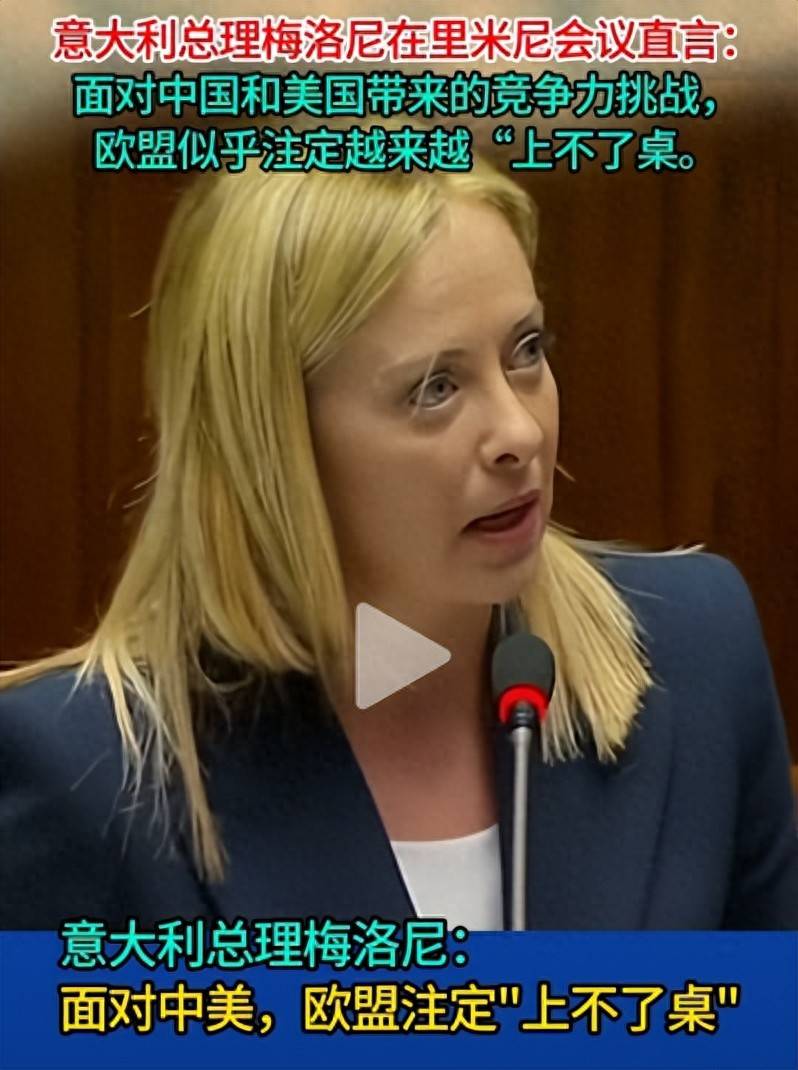
欧洲衰退

Search documents
为何说欧洲有可能最先倒下呢?
Sou Hu Cai Jing· 2026-02-10 07:10
Core Viewpoint - Europe, once a powerful region with significant historical influence, is facing a decline in its global standing due to various internal and external challenges, leading to predictions that it may be the first major region to collapse [1][3]. Group 1: Social Unrest - Social unrest is escalating in Europe, exemplified by the Yellow Vest movement in France, where a minor tax increase sparked nationwide protests. The rising costs of oil and natural gas have doubled, significantly increasing the living expenses for citizens [5]. - The accumulation of dissatisfaction among the lower classes due to rising prices and increasing unemployment rates is likely to result in more frequent social unrest across European nations [5]. Group 2: Refugee Crisis - The ongoing refugee crisis continues to pose significant challenges for Europe, as the continent has taken on a large number of refugees primarily from Muslim countries, Africa, and Eastern Europe, leading to structural social issues [7]. - Cultural, religious, and linguistic differences make it difficult for these refugee groups to integrate into European society, potentially leading to severe social conflicts and unrest if the situation worsens [7]. Group 3: Geopolitical Position - Europe has transitioned from being a key player in global affairs to becoming a pawn in the geopolitical strategies of larger powers, losing its ability to independently determine its fate [9]. - The internal political and economic disputes within Europe have not been effectively resolved, resulting in the region bearing the brunt of external pressures and becoming a victim of great power competition [9].


美俄对话引欧洲被边缘化忧虑,同时面临多重压力
Sou Hu Cai Jing· 2025-12-18 07:15
Core Viewpoint - Europe's current crisis is not a sudden decline but rather the culmination of long-term structural issues that have finally come to light [1] Group 1: Historical Context - Europe's initial capital accumulation was largely derived from wealth generated during the colonial era, including silver, spices, resources, and labor [3] - The industrial revolution, world wars, and reparations systems helped maintain Europe's advantageous position in the global resource landscape [3] Group 2: External Supports - Three external supports have historically underpinned modern Europe's high welfare society: 1. U.S. security guarantees post-World War II allowed Europe to significantly reduce defense budgets, reallocating funds to welfare and social spending [3] 2. Russian energy support provided cheap natural gas, enabling European industries to maintain a competitive cost structure [5] 3. China's supply chain and low-cost goods helped stabilize domestic prices and facilitated ongoing industrial upgrades [5] Group 3: Erosion of Supports - The first pillar, U.S. support, is weakening as America shifts towards domestic priorities, leading to increased pressure on Europe to assume more security responsibilities [7] - The second pillar, Russian energy support, collapsed following the Ukraine conflict, resulting in soaring energy prices and increased manufacturing costs, particularly affecting traditional industrial powerhouses like Germany and the Netherlands [7] - The third pillar, reliance on Chinese manufacturing, is being challenged as China moves towards high-end manufacturing, squeezing European market space and escalating trade tensions [7] Group 4: Consequences of Support Erosion - As these external supports falter, Europe faces significant disruptions in daily life, with industrial giants relocating production overseas and rising energy costs exacerbating financial burdens [9] - The number of bankrupt companies in Germany is increasing, youth unemployment in France is rising, and Southern European debt is nearing critical levels, prompting cuts to retirement ages, budgets, and welfare systems [10] - The underlying issue is that Europe's industrial framework relies on cheap energy, its social system on U.S. security, and its living costs on outsourced manufacturing, all of which are now unstable [10] Group 5: Future Challenges - Europe's past prosperity was largely a static result of long-term global subsidies, and with changes in external support, it must now learn to independently manage security, cope with high energy costs, compete with emerging manufacturing powers, and make difficult choices between high welfare and realistic support [12]
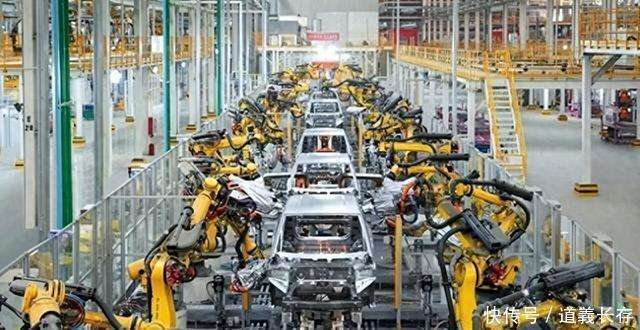
欧洲势力衰败,泽连斯基谈判破局无望,或许要向特朗普让步?
Sou Hu Cai Jing· 2025-12-16 08:41
Group 1 - The core viewpoint is that Europe is heading towards decline, and its resurgence may depend on the rise of far-right forces in power, which reflects deep philosophical and historical issues [1] - The ongoing stalemate in the Russia-Ukraine negotiations is highlighted, with Putin making territorial demands and Trump supporting his stance, while Ukraine relies heavily on support from Germany, the UK, and France [1][6] - The political landscape in Germany has changed significantly since 2014, with the rise of the Alternative for Germany (AfD) party, which may alter the political dynamics by 2029, potentially becoming part of a coalition government [5] Group 2 - The current situation in Europe is characterized by mutual dependence between Germany and France, contrasting with their historical leadership role in European unity [3] - The influx of refugees has led to social disorder in Germany, and the political response has been slower and less intense compared to the United States, affecting the overall stability of the region [3][5] - The decline in Germany's political and economic influence is evident, with the country struggling to provide support to Ukraine, leading to potential compromises with Trump and Putin [6] Group 3 - The potential for far-right forces to gain more support in Europe is seen as a key factor in addressing both domestic and foreign policy issues, with historical parallels drawn to the 1930s [5] - The upcoming negotiations between Zelensky and German Chancellor Merz are critical, but there is skepticism about the outcomes given Germany's weakened position [6] - The overall trend suggests that countries and companies need to assess the evolving political landscape in Europe when formulating their international strategies [6]
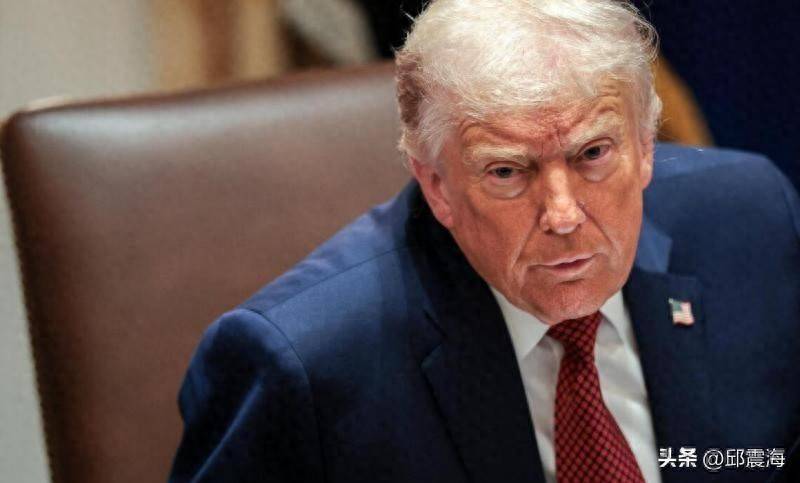
看懂梅洛尼的大实话,就懂了欧洲为何沦为菜单,欧盟的苦难才开始
Sou Hu Cai Jing· 2025-09-07 07:39
Core Viewpoint - European political leadership is experiencing a systemic decline, leading to a loss of competitiveness and influence in the global arena, particularly in the context of US-China tensions [2][6][13]. Group 1: Political Leadership and Decision-Making - The political capability of Europe has deteriorated to the extent that even India's Modi appears as a strategic master in comparison [6]. - The EU's decision-making process is paralyzed, as evidenced by the absence of major European leaders at a significant commemorative event in China, highlighting their inability to assert independent diplomatic stances [6][11]. - The collective political impotence is further illustrated by the lack of response from European leaders, including Macron, to perceived humiliations from the US, indicating a severe lack of political will [6][13]. Group 2: Political Landscape and Governance - The rise of inexperienced political figures in Europe, such as Lithuania's new Prime Minister and Estonia's Prime Minister, reflects a deep-seated dysfunction in the political ecosystem [8][11]. - The EU's requirement for unanimous voting among its 27 member states complicates significant decision-making, leading to a state of collective irrationality [11][13]. - The influence of US-controlled media and the fragmentation of public discourse around identity politics further exacerbate the challenges faced by European governance [11]. Group 3: Future Outlook and Challenges - The core issue lies in the collective disorientation of European political elites, which hampers the continent's ability to recover its former status [13]. - Without a transformative change, such as the dissolution of NATO or an escalation of the Russia-Ukraine conflict, Europe's decline is likely to continue, facing challenges in security, economy, and social cohesion [13][14].