低价商品

Search documents
美俄对话引欧洲被边缘化忧虑,同时面临多重压力
Sou Hu Cai Jing· 2025-12-18 07:15
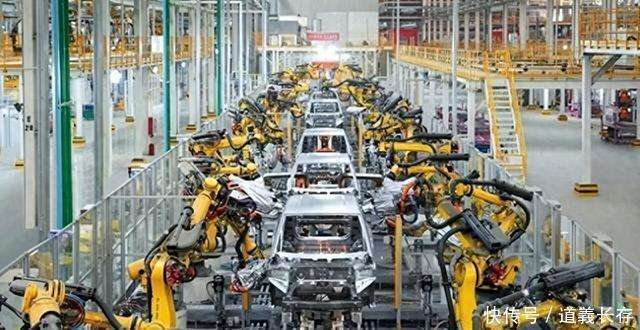
Core Viewpoint - Europe's current crisis is not a sudden decline but rather the culmination of long-term structural issues that have finally come to light [1] Group 1: Historical Context - Europe's initial capital accumulation was largely derived from wealth generated during the colonial era, including silver, spices, resources, and labor [3] - The industrial revolution, world wars, and reparations systems helped maintain Europe's advantageous position in the global resource landscape [3] Group 2: External Supports - Three external supports have historically underpinned modern Europe's high welfare society: 1. U.S. security guarantees post-World War II allowed Europe to significantly reduce defense budgets, reallocating funds to welfare and social spending [3] 2. Russian energy support provided cheap natural gas, enabling European industries to maintain a competitive cost structure [5] 3. China's supply chain and low-cost goods helped stabilize domestic prices and facilitated ongoing industrial upgrades [5] Group 3: Erosion of Supports - The first pillar, U.S. support, is weakening as America shifts towards domestic priorities, leading to increased pressure on Europe to assume more security responsibilities [7] - The second pillar, Russian energy support, collapsed following the Ukraine conflict, resulting in soaring energy prices and increased manufacturing costs, particularly affecting traditional industrial powerhouses like Germany and the Netherlands [7] - The third pillar, reliance on Chinese manufacturing, is being challenged as China moves towards high-end manufacturing, squeezing European market space and escalating trade tensions [7] Group 4: Consequences of Support Erosion - As these external supports falter, Europe faces significant disruptions in daily life, with industrial giants relocating production overseas and rising energy costs exacerbating financial burdens [9] - The number of bankrupt companies in Germany is increasing, youth unemployment in France is rising, and Southern European debt is nearing critical levels, prompting cuts to retirement ages, budgets, and welfare systems [10] - The underlying issue is that Europe's industrial framework relies on cheap energy, its social system on U.S. security, and its living costs on outsourced manufacturing, all of which are now unstable [10] Group 5: Future Challenges - Europe's past prosperity was largely a static result of long-term global subsidies, and with changes in external support, it must now learn to independently manage security, cope with high energy costs, compete with emerging manufacturing powers, and make difficult choices between high welfare and realistic support [12]

达乐公司因低价必需品需求强劲上调年度目标
Xin Lang Cai Jing· 2025-08-28 12:05
Core Viewpoint - Dollar General has raised its annual sales and profit forecasts, capitalizing on stable consumer demand across income levels amid tariff and inflation concerns in the U.S. market [1] Group 1: Company Performance - Dollar General's stock price rose approximately 6% in pre-market trading, with a year-to-date increase of nearly 47% [2] - The company reported a same-store sales growth of 2.8% year-on-year for the quarter ending August 1, surpassing the market expectation of 2.5% [3] - The adjusted earnings per share for the second quarter were $1.86, significantly higher than the market expectation of $1.57 [4] Group 2: Future Projections - Dollar General expects net sales growth to be between 4.3% and 4.8% for 2025, an increase from the previous forecast range of 3.7% to 4.7% [3] - The company anticipates annual earnings per share to reach between $5.80 and $6.30, up from the earlier target range of $5.20 to $5.80 [3] Group 3: Market Trends - Discount retailers like Dollar General tend to perform better during economic downturns as budget-conscious consumers shift to purchasing affordable essentials [2] - The trend of higher-income consumers shopping at discount stores is also observed, with Walmart attracting similar demographics [2]

亚马逊VS沃尔玛 美国零售业价格战蔓延
Bei Jing Shang Bao· 2025-07-07 15:02
Core Insights - The ongoing competition between Amazon and Walmart has intensified, with both companies launching significant promotional events to attract consumers [2][3] - Amazon's Prime Day is set to take place from July 8 to July 11, 2023, with an expected transaction volume of $23 billion, while Walmart will launch its "Walmart Deals" on the same day, extending its promotional period to July 13 [3][4] - The retail landscape is shifting as consumers prioritize lower prices due to economic pressures, leading to a "loyalty crisis" where price becomes the primary concern for shoppers [6][9] Amazon's Performance - In Q1 2025, Amazon's North American net sales reached $92.89 billion, a year-on-year increase of approximately 7.6%, but the operating profit growth slowed significantly [5] - The operating profit margin for Amazon in North America was only 6.3%, below market expectations, indicating a challenging environment for the company [5] Walmart's Growth - Walmart's e-commerce sales in the same quarter grew by 21% to $112.2 billion, achieving profitability for the first time in its e-commerce segment [5] - Walmart's market penetration in e-commerce has surged to 43%, making it the second-largest e-commerce platform in the U.S. after Amazon [5] Consumer Behavior Trends - A significant portion of American consumers are experiencing financial strain, with over half reporting their financial situation as "average" or "poor," leading to a decline in discretionary spending [6] - The trend of consumers seeking lower-priced goods has been noted, with discount retailers like Dollar General reporting a shift towards essential purchases [6] Retail Strategy Shifts - Retailers are increasingly focusing on online sales, with many closing underperforming physical stores to concentrate on profitable areas [7][8] - Companies like Kohl's have closed multiple stores as part of a strategy to enhance efficiency and profitability, despite ongoing sales declines [8] Future Outlook - The retail industry is expected to undergo significant changes, with a focus on fewer, higher-quality stores rather than a larger number of mediocre ones [9] - Retailers must adapt to evolving consumer preferences and economic conditions to remain competitive in the market [9]