多极化金融秩序

Search documents
柬埔寨带头把黄金运往东大!美元霸权又一根基要被刨了!
Sou Hu Cai Jing· 2025-11-07 23:07
Core Viewpoint - The global influence of the Chinese yuan is accelerating, with China leveraging gold as a key pivot to challenge the long-standing dominance of the US dollar in the global financial landscape, indicating the onset of a significant financial shift [1] Group 1: Cambodia's Gold Storage Initiative - Cambodia is set to become one of the first countries to store gold in China, marking a significant step in China's ambition to establish itself as a global gold hub [3] - The Cambodian central bank currently holds approximately 54 tons of gold, which constitutes a quarter of its $260 billion foreign exchange reserves, highlighting the importance of gold in its asset allocation [3] - Multiple countries have expressed interest in storing gold in China, indicating a strategic shift away from traditional gold centers like London [3][5] Group 2: Motivations Behind Cambodia's Decision - The decision aligns with the global trend of de-dollarization, as countries seek to reduce their dependence on the US dollar amid risks associated with dollar dominance, such as exchange rate volatility and unilateral sanctions [5] - Cambodia views storing gold in China as a safer option due to China's stable domestic environment, robust financial security systems, and non-interference in other countries' internal affairs [6] - The growing economic ties between China and ASEAN, coupled with China's military strength, present new opportunities for Cambodia as the global economic center shifts towards China [7] Group 3: Implications for Global Financial Order - This development signifies a transition towards a multi-polar financial order, moving away from dollar dominance, with gold playing a central role in this transformation [8] - The establishment of gold storage in Shenzhen creates a new "Eastern hub" in the international gold trading ecosystem, enhancing the yuan's position in global commodity markets [8] - The ongoing efforts to build a global gold custody center reflect a long-term strategy to reshape financial competition, focusing on gold as a connector for a more resilient and equitable cooperation system [8][9]


李显龙预言千层浪袭来,美联储急求降息,中美金融格局正在生变
Sou Hu Cai Jing· 2025-07-19 10:54
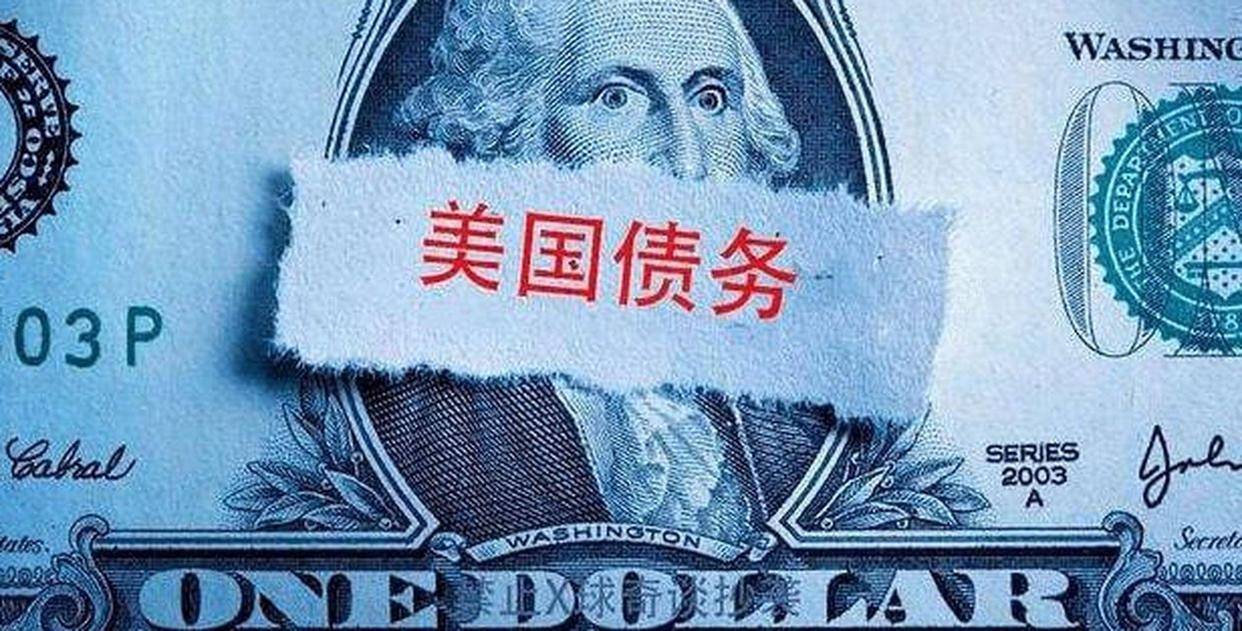
Group 1 - The article discusses the significant shift in the relationship between China and the United States over the past 17 years, highlighting China's transition from being a "white knight" that rescued the U.S. during the 2008 financial crisis to a more cautious and strategic player in the global financial landscape [1][3][28] - In 2008, China increased its holdings of U.S. Treasury bonds by $400 billion to support the U.S. financial system during a crisis, showcasing its role as a financial savior [3][5] - Currently, China has reduced its U.S. Treasury holdings by nearly 42% from its peak, dropping to $756.3 billion, and has increased its gold reserves by 7.39 million ounces over the past eight months, indicating a strategic shift away from reliance on U.S. debt [6][15][19] Group 2 - The Federal Reserve is under significant political pressure to lower interest rates, with officials acknowledging the need for rate cuts to alleviate financial strain, contrasting sharply with its previous stance of independence [5][10][12] - The article notes that the U.S. is facing unprecedented fiscal challenges, with interest payments on debt becoming a major burden, leading to a potential loss of confidence in the dollar as a safe haven [10][12][19] - China's increasing gold purchases and reduction in U.S. debt holdings reflect a broader trend among global central banks moving towards diversification and reducing dependence on the dollar, signaling a shift in financial power dynamics [17][19][24] Group 3 - The article references Singapore's Prime Minister Lee Hsien Loong's observation that the U.S. is isolating itself, while other nations are seeking to collaborate within a multilateral framework, indicating a shift in global economic alliances [21][24] - The transition from a dollar-dominated system to a more multipolar financial world is highlighted, with China leading the way in this transformation by diversifying its assets and reducing its reliance on the U.S. [22][24][28] - The conclusion emphasizes the importance of recognizing and adapting to these changes in the global financial landscape, suggesting that diversification in investment strategies is crucial for navigating future uncertainties [26][30]