大学

Search documents
AI逼疯00后,18岁少女放弃大学修马桶,Hinton又说对了
3 6 Ke· 2025-12-08 01:55
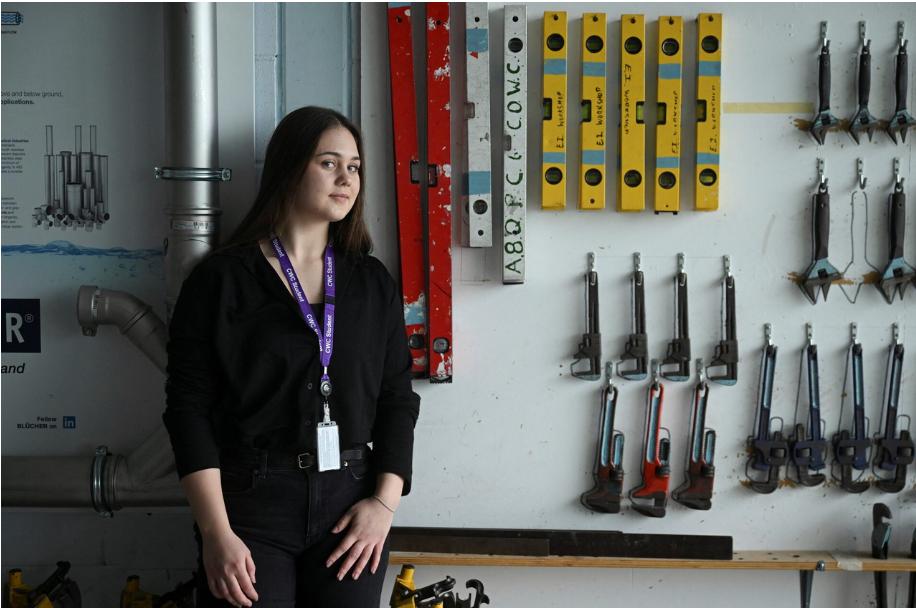
Core Viewpoint - The rise of AI in the workplace is prompting young individuals to shift from traditional white-collar career paths to skilled blue-collar jobs, as these roles are perceived to be more secure against automation [1][10][22]. Group 1: Shift in Career Choices - Increasing numbers of young people are abandoning the "university + white-collar job" model in favor of "vocational school + blue-collar job" due to fears of AI job displacement [1][14]. - The average salary for plumbers in the UK is £37,881 (approximately $50,169), which is competitive with the overall average salary of £39,039 across all industries [19]. - A survey by New America indicates that 66% of adults believe that a high school diploma or GED can lead to high-paying, stable jobs, up from 50% in 2018 [20]. Group 2: AI's Impact on Employment - 1 in 6 employers in the UK expect to reduce their workforce using AI tools within the next 12 months, particularly affecting entry-level white-collar jobs [11]. - AI is predicted to replace many entry-level positions in sectors like technology, finance, and law, leading to a decline in job opportunities for graduates in these fields [12][13]. - The demand for skilled trades is expected to remain high due to an aging workforce, making blue-collar jobs more attractive [18]. Group 3: Educational Trends - Enrollment in engineering, construction, and building environment courses at vocational institutions like Westminster City College has increased by 9.6% over the past three years [17]. - The cost of vocational education is significantly lower than that of traditional university education, often being 1/3 to 1/2 the cost, which is appealing to young people [17]. - The decline in university enrollment, with a 1.1% drop in the 2023/24 academic year, marks the first annual decrease in nearly a decade [17]. Group 4: Job Security and Future Prospects - Skilled trades are seen as a "safe harbor" against AI disruption, with roles like plumbing requiring hands-on skills that are difficult for AI to replicate [10][16]. - The potential for higher earnings through apprenticeships in skilled trades is becoming more recognized, challenging the traditional view that a university degree is the only path to success [19][22]. - The perception of blue-collar work is changing, with more individuals acknowledging the value and stability these jobs can provide in the face of AI advancements [22][23].

中泰资管天团 | 王路遥:考上大学就好了…吗?
中泰证券资管· 2025-07-24 09:42
Core Viewpoint - The transition from high school to university presents significant challenges, particularly in terms of decision-making and self-awareness, which are crucial for personal and professional development [2][3][5][6]. Group 1: Challenges in University Life - University life introduces a different kind of difficulty compared to high school, focusing more on methodology and choices rather than rote learning [5][7]. - Students often experience confusion and uncertainty regarding their direction and methods of effort, leading to a common feeling of "迷茫" (confusion) [3][6]. - The need for self-awareness and understanding one's unique traits becomes critical as students face various career paths and choices [6][9]. Group 2: Decision-Making and Methodology - The university environment requires students to develop their own methods for learning and problem-solving, moving beyond traditional textbook approaches [7][10]. - The process of making decisions in the securities market serves as a practical training ground for students, emphasizing the importance of self-examination and rational decision-making [9][10]. - Engaging with the securities market can enhance decision-making skills and provide a low-cost way to test personal judgments in real-world scenarios [11]. Group 3: Personal Growth and Responsibility - Graduating from high school marks the beginning of new challenges, where students must take on greater responsibilities and seek independence [11][12]. - The article encourages young individuals to actively participate in the securities market to gain insights and develop their decision-making capabilities [12].