
大宗商品新质生产力

Search documents
中国大宗商品行业如何提升国际影响力?这场大会给出最新指引
Xin Hua Cai Jing· 2025-12-19 15:35
Core Viewpoint - The 2025 International Development Conference for Bulk Commodities in Shanghai focuses on enhancing China's international influence in the bulk commodity sector and establishing credible trade rules. Group 1: Trade Volume and Economic Impact - From January to November 2023, Shanghai's bulk commodity spot trade volume reached 7.5 trillion yuan, accounting for over 50% of the city's total commodity sales [2] - The Shanghai Municipal Government aims for the bulk commodity trade scale to exceed 10 trillion yuan by 2027, as outlined in the "Three-Year Action Plan for the Transformation and Upgrade of Shanghai's Bulk Commodity Trade (2025-2027)" [2] Group 2: Policy and Innovation - The Shanghai government has implemented various practical measures to create a credible trade ecosystem, including supply chain finance, data storage on blockchain, and invoice cross-checking [2] - Future initiatives will focus on cultivating new categories of green bulk commodity trade and building a global supply chain network [2] Group 3: Market Trends and Projections - The total logistics volume in China is expected to reach approximately 380 trillion yuan by 2025, with bulk commodity sales projected to surpass 100 trillion yuan for the first time [6] - The China Bulk Commodity Price Index is forecasted to average 112.1 points in 2025, indicating a slight decrease of 0.1% from the previous year, with 10 out of 50 monitored commodities expected to see price increases [10] Group 4: Industry Challenges and Opportunities - The bulk commodity market is experiencing new development opportunities due to advancements in digital technology and the transition to high-quality economic growth [3] - The resilience of the bulk commodity supply chain is essential for enhancing the value chain, with a focus on extending to downstream industries and meeting consumer demand [11] Group 5: Conference Activities - The conference includes six parallel sessions covering topics such as credible trade rule construction, international development of non-ferrous and ferrous metals, and supply chain finance [12]

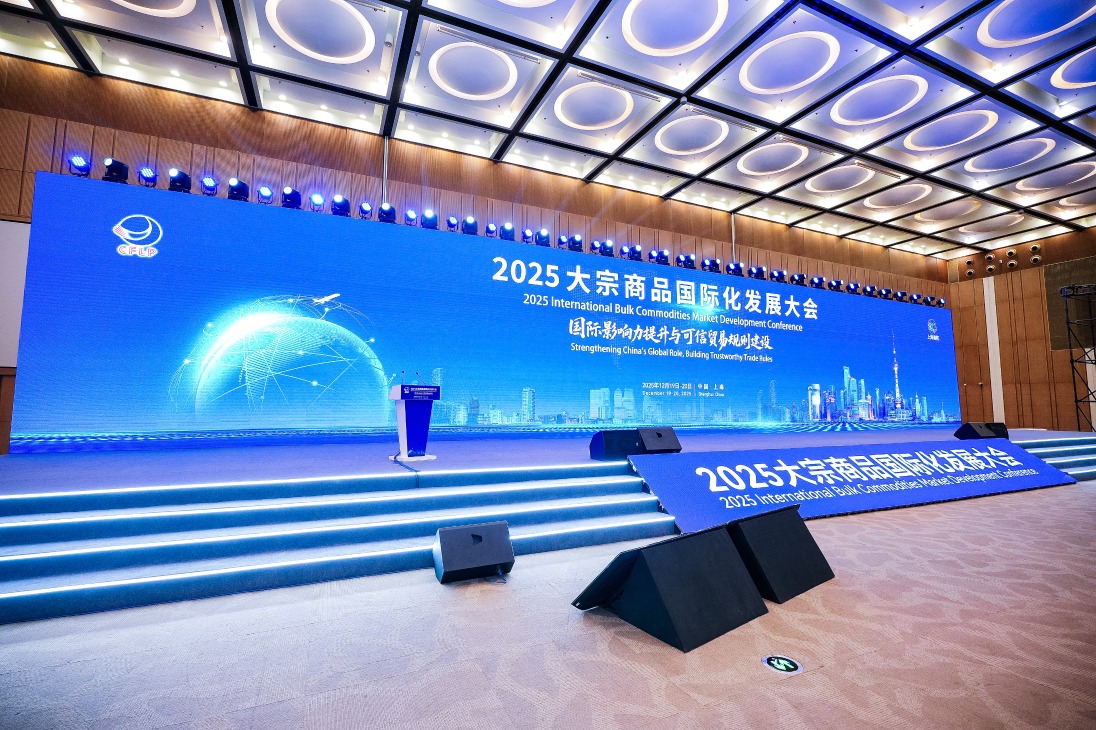
2025大宗商品国际化发展大会在普陀开幕
Guo Ji Jin Rong Bao· 2025-12-19 13:20
Core Viewpoint - The 2025 International Development Conference for Bulk Commodities was held in Putuo District, where a framework agreement was signed between the Putuo District People's Government and the China Logistics and Purchasing Federation to enhance cooperation in bulk commodity trade innovation and industry ecosystem construction, aiming to provide replicable and promotable practices for the national bulk commodity industry's standardized and international development [1]. Group 1 - Shanghai serves as a link for the domestic and international dual circulation strategy, implementing practical measures to build a credible trade ecosystem, including functions like de-nuclear supply chain finance and data storage on the blockchain [6]. - The next steps include leveraging Shanghai's financial market and national-level trading and clearing infrastructure to promote "finance + innovation" dual empowerment and accelerate the cultivation of new categories in green bulk commodity trade [6]. - The goal is to establish a global industrial chain and supply network, expand global warehousing and distribution nodes, and enhance the risk prevention baseline while optimizing the credible trade environment for bulk commodities [6]. Group 2 - The China Logistics and Purchasing Federation emphasizes the need for the bulk commodity supply chain to keep pace with global economic transformation and enhance global resource allocation capabilities [7]. - The Putuo District aims to build a robust supply chain industry system for bulk commodity trade, focusing on digital transformation and blockchain integration to create a more trustworthy trade environment [7]. - The district is committed to resource sharing and complementary advantages among various entities to inject continuous momentum into the high-quality development of the industry [7]. Group 3 - Putuo District is actively constructing a comprehensive industrial ecosystem covering trade, logistics, finance, and technology, leveraging its ecological and cultural advantages [8]. - The conference featured discussions on key dimensions such as "top-level institutional design," "value chain enhancement," and "building discourse power" to decode the paths for enhancing international influence and establishing credible trade rules [8]. - Six parallel activities were organized, focusing on topics like credible trade rule construction and the internationalization of various metal sectors, along with field visits and results exhibitions [8].
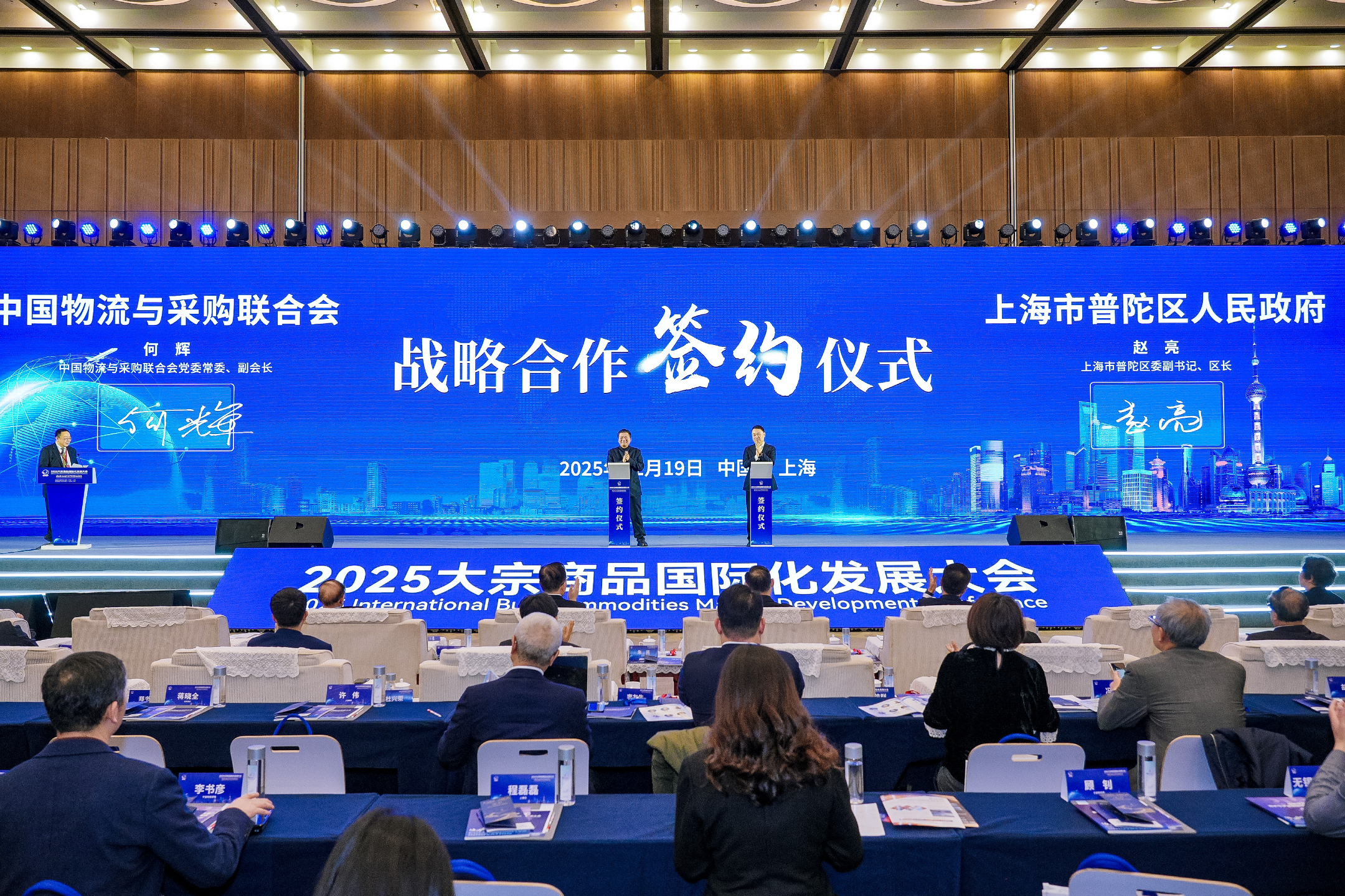
中物联何辉:2025年全社会物流总额预计达380万亿元
Xin Hua Cai Jing· 2025-12-19 06:15
Core Insights - The total logistics volume in China is expected to reach approximately 380 trillion yuan by 2025, with the sales of bulk commodity production materials projected to exceed 1 trillion yuan for the first time, highlighting the market's resilience against external risks and its role as a core engine for global bulk commodity trade growth [1][4]. Group 1: Current Logistics Performance - From January to October this year, China's total social logistics volume reached 293.7 trillion yuan, marking a year-on-year increase of 5.1%, indicating steady expansion in logistics demand and ongoing structural optimization [4]. - The total revenue of the logistics industry was 11.8 trillion yuan, reflecting a year-on-year growth of 4.5%, demonstrating steady improvement in the quality and efficiency of industry development [4]. - The China Bulk Commodity Price Index (CBPI) stood at 114.1 points in November 2025, with a month-on-month increase of 0.8% and a year-on-year increase of 1.6%, indicating a recovery in supply-demand relationships and enhanced business confidence [4]. Group 2: Challenges and Opportunities - The global bulk commodity supply chain has developed an interdependent structure, but challenges from global economic uncertainties, geopolitical tensions, and financial market fluctuations remain significant [4]. - Trust deficits in trade are increasingly seen as a major constraint on global economic growth, necessitating a restructured international trade rule system centered on trust to promote sustainable global economic development [4][5]. Group 3: Future Development Strategies - To enhance the global bulk commodity supply chain, three key strategies are proposed: 1. Accelerate the development of new productive forces in bulk commodities, integrating modern supply chains and digital economies while fostering high-quality talent skilled in AI, big data, and blockchain [5][6]. 2. Improve global resource allocation capabilities by leveraging China's vast market advantages and enhancing the competitiveness of bulk commodity circulation enterprises through various financial strategies [6]. 3. Establish a fair, stable, and sustainable global supply chain by utilizing digital technologies to create new mechanisms for shared interests and risk-sharing, while promoting green and low-carbon development [6].
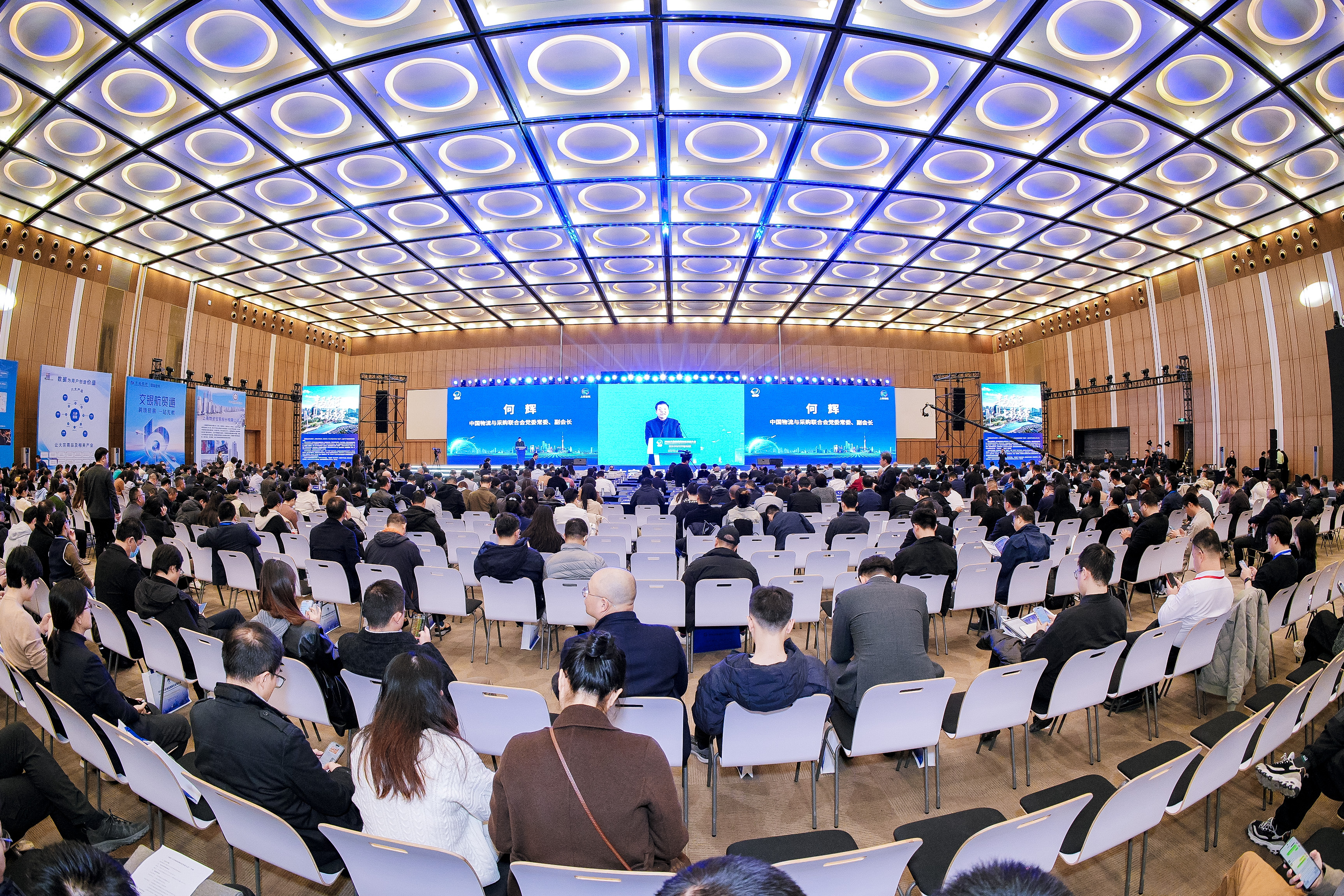
中物联何辉:2025年全社会物流总额预计达380万亿元 亟待加快可信贸易规则建设
Xin Hua Cai Jing· 2025-12-19 05:49
Core Insights - The total logistics volume in China is expected to reach approximately 380 trillion yuan by 2025, with the sales of bulk commodity production materials projected to exceed 1 trillion yuan for the first time, highlighting the resilience and potential of China's economy amidst global uncertainties [1][2] - From January to October this year, China's total social logistics volume reached 293.7 trillion yuan, a year-on-year increase of 5.1%, indicating steady expansion in logistics demand and continuous optimization of structure [1] - The China Bulk Commodity Price Index (CBPI) stood at 114.1 points in November 2025, reflecting a month-on-month increase of 0.8% and a year-on-year increase of 1.6%, demonstrating improved supply-demand relationships in the domestic industry [1] Industry Development Strategies - Accelerate the cultivation of new productive forces in bulk commodities, integrating trustworthy trade concepts throughout the global resource allocation process, and fostering high-quality development through the use of digital technologies [3] - Enhance global resource allocation capabilities in bulk commodities by leveraging China's large market advantages and promoting international capacity cooperation, aiming to strengthen the competitiveness of bulk commodity circulation enterprises [3][4] - Create a fair, stable, and sustainable global supply chain by utilizing digital technologies to establish new mechanisms for shared interests and risk-sharing, while promoting green and low-carbon development in various sectors [4]