大电池+小增程器

Search documents
又有重磅新品发布!增程车越造越多,但销量有点“涨不动了”;会被纯电车取代吗?多位专家解读→
Mei Ri Jing Ji Xin Wen· 2025-10-28 13:12
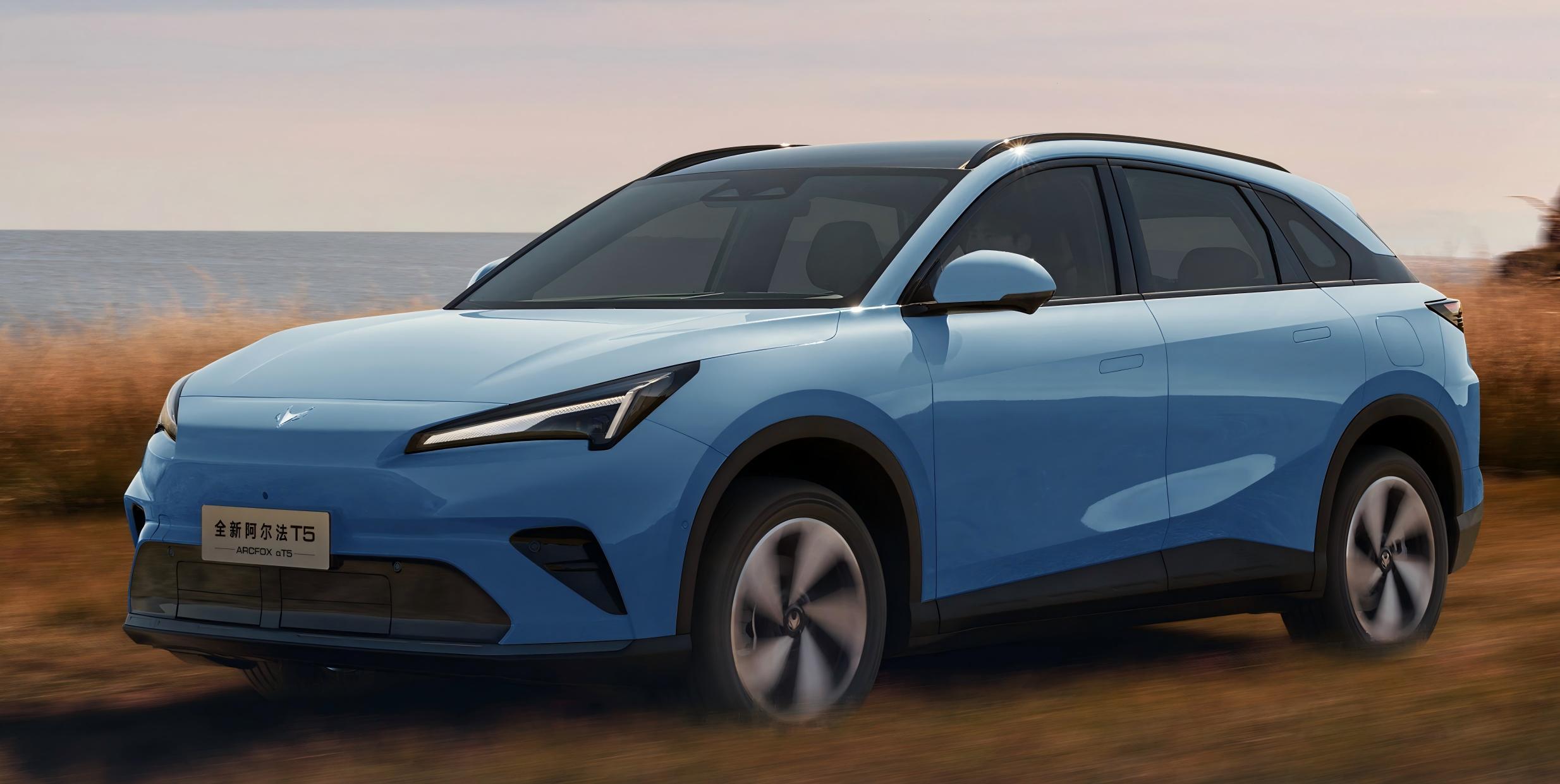
Core Viewpoint - The market for range-extended electric vehicles (EREVs) is experiencing slower growth compared to pure electric vehicles (BEVs), with an increasing number of manufacturers entering the EREV segment, yet the sales growth of EREVs is lagging behind that of BEVs and plug-in hybrid electric vehicles (PHEVs) [1][3][12]. Market Overview - The new Arcfox Alpha T5, a mid-size SUV featuring a range-extended power system, was launched on October 28, marking the brand's first model with this technology [1]. - Xiaopeng Motors is set to unveil the Xiaopeng X9 super range extender in November, while GAC Aion's i60 will also debut in the same month, both being the brands' first forays into range-extended vehicles [3]. - By 2025, over 20 range-extended models are expected to be released or planned, indicating a growing interest in this segment [3]. Sales Data - In September, the wholesale sales of pure electric vehicles reached 947,000 units, a year-on-year increase of 32.4% and a month-on-month increase of 16.2%. In contrast, EREV sales were 129,000 units, with a year-on-year growth of 8.7% and a month-on-month increase of 24.1% [3][4]. - The market share of pure electric vehicles was 63% in September, while EREVs accounted for 9%, showing a decline in market share for EREVs compared to previous periods [5]. Competitive Landscape - EREV manufacturers are shifting their strategies to enhance battery capacity and electric range, moving from a "small battery + large range extender" model to a "large battery + small range extender" approach [7][10]. - Recent models like the ZunJie S800 and Xiaopeng X9 feature significantly larger battery capacities compared to earlier EREV models, which may enhance their competitiveness against BEVs [9]. Future Trends - There is a consensus that EREVs will continue to have a role in the market, particularly for consumers in areas with limited charging infrastructure [11][12]. - The automotive industry is expected to see a shift towards pure electric vehicles, with projections indicating that by 2040, 80% of new energy vehicles will be pure electric [13].

增程车越造越多但销量“涨不动了”!刚入场的极狐、小鹏等还有机会吗?
Mei Ri Jing Ji Xin Wen· 2025-10-28 08:48
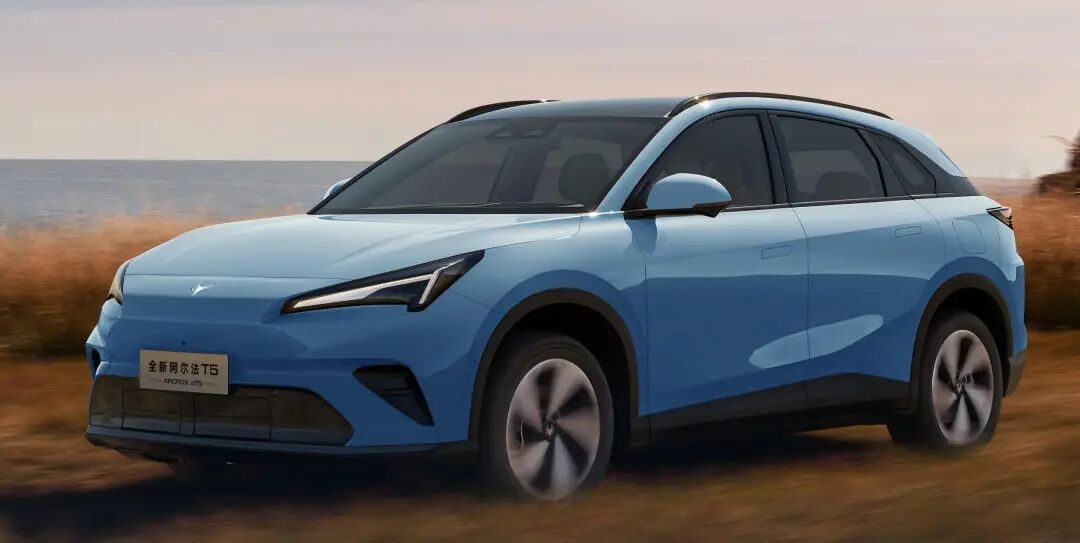
Core Viewpoint - The launch of new models with range-extended power systems indicates a growing interest in this segment, but the market for range-extended vehicles is showing signs of stagnation in sales growth compared to pure electric vehicles [1][3][4]. Industry Overview - The new Arcfox Alpha T5, a mid-size SUV, is the first model from the brand to feature a range-extended power system, highlighting a trend among manufacturers to explore this technology [1]. - Other brands like XPeng and GAC Aion are also set to introduce their first range-extended models in November, indicating a competitive push in this segment [3]. Sales Data - In September, wholesale sales of pure electric vehicles reached 947,000 units, a year-on-year increase of 32.4% and a month-on-month increase of 16.2%. In contrast, range-extended vehicle sales were 129,000 units, with a year-on-year growth of only 8.7% [4][5]. - The market share of pure electric vehicles was 63% in September, while range-extended vehicles accounted for only 9%, reflecting a decline in their market presence [7]. Market Trends - The number of announced or planned range-extended models is expected to exceed 20 by 2025, indicating a crowded market [3]. - Despite the influx of new models, the growth rate of range-extended vehicles is lagging behind that of pure electric vehicles, which are benefiting from lower battery costs and technological advancements [7][8]. Technological Developments - Manufacturers are shifting towards larger battery capacities in range-extended vehicles, moving from "small battery + large range extender" to "large battery + small range extender" configurations [9][10]. - The introduction of 800V or 900V architectures in lower-priced models is expected to enhance charging speeds, addressing consumer concerns about charging infrastructure [8]. Future Outlook - There is a consensus that range-extended vehicles will continue to have a place in the market, particularly for consumers in areas with limited charging infrastructure [12][13]. - Projections suggest that by 2040, pure electric vehicles will dominate the market, with an expected penetration rate of 85%, of which 80% will be pure electric models [13].