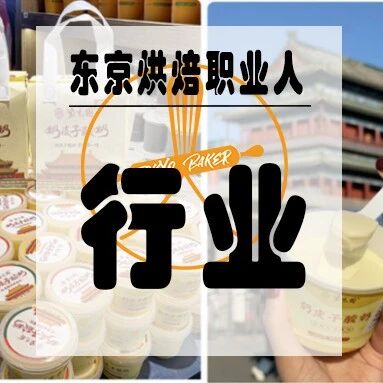
奶皮子+

Search documents
不止糖葫芦,奶茶、烘焙以及汉堡也裹上了奶皮子
东京烘焙职业人· 2025-11-14 08:33
Core Viewpoint - The article highlights the rapid rise of "Nai Pi Zi Tang Hu Lu" (milk skin candied hawthorn) as a trending dessert in China, driven by its unique flavor and visual appeal, leading to significant consumer demand and market opportunities [6][11][25]. Group 1: Product Popularity - "Nai Pi Zi Tang Hu Lu" has become a top trending product, with social media buzz generating over 600 million views on platforms like Douyin [7][11]. - The product's price has surged, with offline sales reaching 48 yuan per skewer and online prices being speculated at 99 yuan, indicating high demand despite the elevated cost [11][14]. - Long queues at stores across cities like Shanghai and Nanjing reflect the product's popularity, with some consumers waiting up to 70 minutes to purchase [9][10]. Group 2: Product Innovation - The product features two key upgrades: a layer of milk skin made from fresh milk that enhances flavor and texture, and the introduction of various innovative fillings beyond traditional hawthorn [15][18]. - The combination of flavors and textures creates a multi-layered taste experience, appealing to consumers' desire for both taste and aesthetics [19][20]. - The visual appeal of the product, with vibrant colors and creative shapes, enhances its marketability as a "photo-worthy" item [23][24]. Group 3: Market Expansion - The success of "Nai Pi Zi Tang Hu Lu" has prompted other food and beverage brands to explore "Nai Pi Zi" as a core element in their product lines, leading to a diverse range of offerings [25][26]. - Tea brands have successfully integrated milk skin into their products, resulting in significant sales increases, such as a 60% rise in sales for a new product combining milk skin and hawthorn [26][29]. - The baking sector is also innovating with milk skin, creating products like milk skin cakes and rolls that cater to consumer preferences for unique flavors and textures [34][36]. Group 4: Underlying Factors for Success - The article attributes the rise of milk skin products to low innovation costs and a well-established supply chain, making it easier for brands to experiment with new offerings [55][56]. - The unique taste and clean ingredient profile of milk skin resonate with consumers seeking natural and additive-free products, enhancing its appeal [65][66]. - The versatility of milk skin allows for various consumption methods, from direct eating to incorporation in drinks and desserts, contributing to its popularity [67][68]. Group 5: Challenges Ahead - The lack of standardized definitions for "Nai Pi Zi" poses challenges for industry-wide consistency and scalability [76][78]. - High production costs, with approximately 3 kilograms of milk needed to produce 1 kilogram of milk skin, limit widespread adoption [79][80]. - The high-fat content of milk skin may conflict with current health trends, and the reliance on novelty may hinder long-term consumer loyalty [82][83]. Conclusion - The "Nai Pi Zi" phenomenon illustrates the potential for local ingredients to drive market trends, suggesting a replicable model for future product innovations in the food industry [88][89].