孤独症康复

Search documents
叩开“星娃”心门
Xin Lang Cai Jing· 2026-02-06 16:47
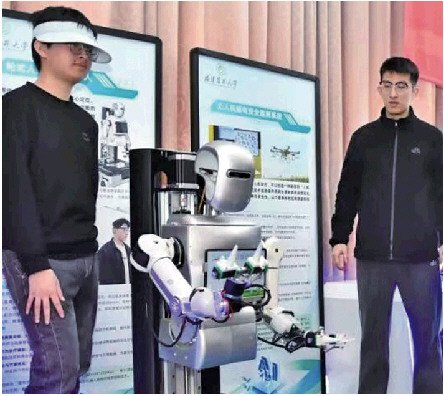
Core Insights - The article highlights the introduction of the Fuxiaozhi F1-D humanoid robot, which integrates non-invasive brain-computer interface technology to address early intervention challenges for autism in China, potentially benefiting over 13 million patients, especially young children [2][6]. Group 1: Autism Intervention Challenges - Approximately 60% of autistic children show significant symptoms before the age of three, but due to uneven medical resource distribution and public awareness, the average diagnosis age is delayed to 4-5 years, missing the critical intervention window [2]. - Current autism rehabilitation faces several bottlenecks, including reliance on therapists' personal experience, lack of objective quantification standards, and a scarcity of professional rehabilitation resources, with only about 35% of autistic patients aged 0-17 receiving systematic support [2]. Group 2: Fuxiaozhi F1-D Technology - The Fuxiaozhi F1-D features a "mind-reading" capability through a non-invasive, easy-to-wear "smart hat" that captures weak brain signals, which are then interpreted and translated into actions by the robot [3][4]. - The robot can respond to children's emotional states and attention levels, providing engaging feedback during rehabilitation, thus transforming traditional training into a game-like experience [5]. Group 3: Personalized Interaction and Data Utilization - Fuxiaozhi F1-D employs a personalized interaction model, adapting to each child's unique needs, such as adjusting sound levels for sound-sensitive children, thereby addressing the "one-size-fits-all" approach in traditional training [5]. - The system collects and analyzes brainwave, movement, and behavior data, offering unprecedented objective metrics for early screening and rehabilitation effectiveness, moving away from subjective assessments [5]. Group 4: Broader Industry Context - The introduction of Fuxiaozhi F1-D signifies a broader application of brain-computer interface technology in autism rehabilitation across China, with other systems like "Xingbinle" and "Autism Brain-Machine Assisted Diagnosis System" also emerging [7]. - The Chinese government's "14th Five-Year Plan" includes brain-computer interfaces as a key growth area, indicating a shift towards integrating advanced technologies in rehabilitation practices [7]. Group 5: Future Prospects - Future iterations of Fuxiaozhi may incorporate more advanced features, such as multi-sensory positive reinforcement and early risk warning systems, potentially shifting the focus from treatment to prevention [9][10]. - The integration of brain-computer interfaces with AI and big data technologies is expected to lead to more innovations like Fuxiaozhi, helping autistic children find their place in society [10].

在疾病的深渊里,这个家庭接住了彼此:一个双相母亲与两个星星孩子的重生
Xin Lang Cai Jing· 2026-01-17 00:13
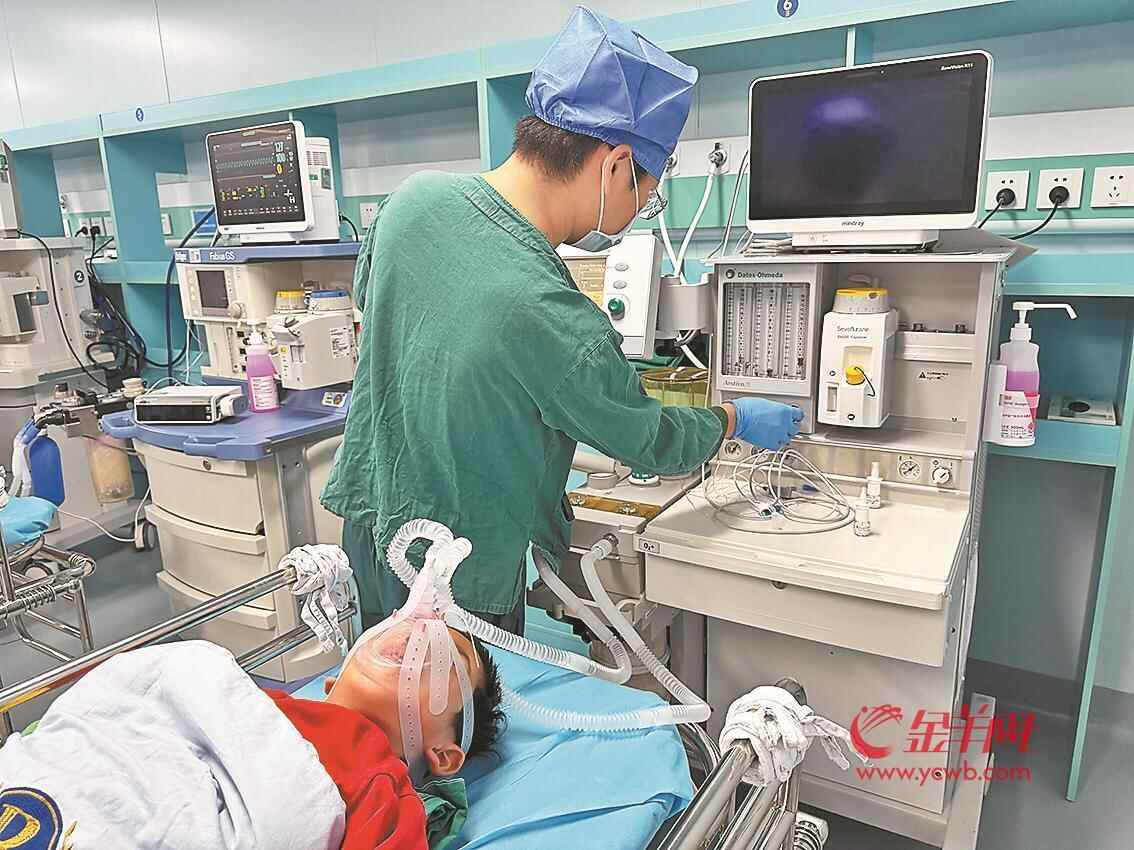
Core Viewpoint - The article highlights the challenges and progress of a family dealing with autism and mental health issues, focusing on the innovative treatment approach using low-concentration sevoflurane, which has shown promising results in improving the conditions of the children and the mother [9][11]. Group 1: Family Background and Challenges - The mother, diagnosed with bipolar disorder, and her two children, both diagnosed with autism, face significant emotional and financial challenges in their daily lives [2][3]. - The family initially struggled with the daughter's autism diagnosis, leading to a series of costly and ineffective treatments that added to their stress [3][6]. - The mother experienced her own mental health issues, which compounded the family's difficulties, leading to a chaotic home environment [7][8]. Group 2: Treatment Journey - The family relocated to Shenzhen to access a rehabilitation subsidy for autism, but faced setbacks when their chosen rehabilitation center closed unexpectedly [5][6]. - After discovering a new treatment method involving low-concentration sevoflurane, the family saw significant improvements in the children's behavior and communication skills [9][10]. - The treatment not only benefited the children but also improved the mother's mental health, allowing her to regain stability and actively participate in her children's lives [10][11]. Group 3: Clinical Support and Future Outlook - The sevoflurane treatment is backed by clinical research, showing effective results in improving core symptoms of autism without significant side effects [11]. - Ongoing clinical trials aim to further validate the treatment's efficacy and safety, indicating a growing interest and potential in this area of autism therapy [11]. - The family expresses hope for the future, planning to continue treatments and stabilize their home environment, with aspirations for the father to return to work in game development [11].
苦练营销技能 打拼美好生活
Xin Lang Cai Jing· 2025-12-27 16:35
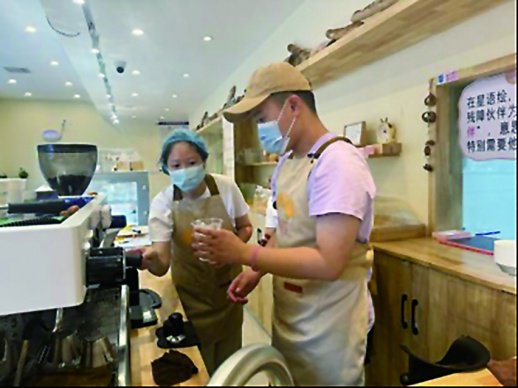
Core Viewpoint - The story highlights how a bakery in Changsha, operated by a rehabilitation center, provides employment opportunities for young adults with autism, allowing them to gain self-worth and contribute to society through their work [2][3]. Group 1: Employment and Rehabilitation - The bakery employs young adults with autism, referred to as "star children," enabling them to earn money through meaningful work [3]. - The center's founder, Chen Rong, emphasizes the importance of integrating these individuals into society and providing them with dignified employment opportunities [3][4]. - The bakery offers various roles, including coffee making and packaging, to support the employment of older individuals with autism [3][4]. Group 2: Marketing and Business Strategy - The bakery is actively training its staff in marketing skills to attract repeat customers and improve business performance [2][4]. - Strategies include extending operating hours, optimizing production based on sales data, and introducing promotional items during holidays [4][5]. - Parents of the young employees are also leveraging their networks to increase orders from local businesses [5]. Group 3: Community and Social Impact - The initiative aims to inspire others facing similar challenges, encouraging them to lead fulfilling lives [5]. - Chen Rong calls for greater societal support for the families and educators of children with autism, highlighting the need for community awareness and assistance [5].
“用花叶浆染温度”,安徽省芜湖市残疾人非遗文创作品亮相故宫
Hua Xia Shi Bao· 2025-07-22 15:09
Core Viewpoint - The exhibition "徽风皖韵鸠兹泽瑞" showcases the cultural heritage and creative works of the disabled community in Wuhu, emphasizing the integration of traditional craftsmanship with modern therapeutic practices for individuals with autism [1][8]. Group 1: Exhibition Overview - The exhibition is held at the Palace Museum's cultural and creative integration hall and features traditional Huizhou-style architecture, displaying various handicrafts such as Wuhu's natural dye scarves and intricate paper cuts [2][3]. - The event has been ongoing since July 18 and will last for 30 days, attracting numerous visitors [1]. Group 2: Artistic and Therapeutic Aspects - The Wuhu Autism Association's "Star Youth" has been involved in creating natural dye scarves, utilizing traditional techniques that date back to the Ming Dynasty [3]. - The process of making these scarves serves as a therapeutic activity for individuals with autism, helping them develop motor skills and emotional regulation through hands-on engagement with nature [5][6]. Group 3: Future Development and Market Potential - The "Star Youth" aims to expand their product range beyond scarves to include larger decorative items, reflecting a desire to integrate their creations into everyday life [7]. - There is a focus on enhancing the quality and market competitiveness of their products, with aspirations to reach a broader audience and improve the livelihoods of disabled individuals [8].