非遗文化

Search documents
这9款包包,惊艳世界,却只有中国女人能驾驭
凤凰网财经· 2026-03-10 13:53
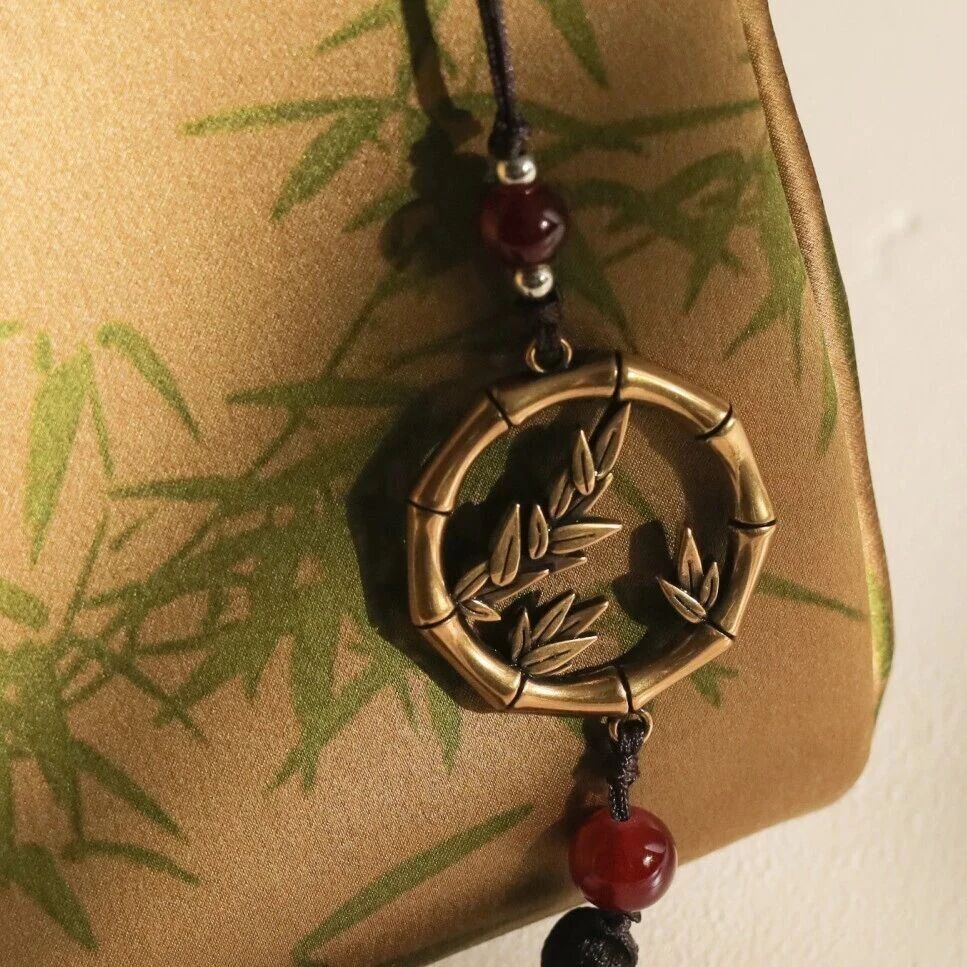
Core Viewpoint - The article emphasizes the resurgence of Xiangyun silk, a traditional Chinese fabric, as a fashionable choice for women, particularly as a gift for International Women's Day, highlighting its cultural significance and aesthetic appeal [2][22][129]. Group 1: Cultural Significance and Aesthetic Appeal - Xiangyun silk has been described as a "carryable piece of art," celebrating the unique charm of women and serving as a perfect gift [9][14]. - The fabric is rooted in ancient craftsmanship, with a production process that includes traditional methods such as "three steams, nine boils, and eighteen sun-dryings" [25]. - The article notes that each piece of Xiangyun silk embodies the essence of nature and craftsmanship, making it a luxurious yet culturally rich accessory [29][31]. Group 2: Product Offerings and Pricing - The article presents nine distinct styles of Xiangyun silk bags, each priced at a special Women's Day discount starting from 299 yuan, significantly lower than their original prices [11][131]. - Limited availability is highlighted, with only 50 units of each design, encouraging quick purchases [12]. - The bags are marketed as suitable for various occasions, from casual outings to formal events, enhancing the wearer's elegance and style [20][37]. Group 3: Quality and Practicality - The bags are made from high-quality materials, including a blend of silk and other fabrics, ensuring durability and ease of maintenance [33][35]. - The article emphasizes the practicality of the bags, noting their appropriate size for everyday use and versatility in styling [48][69]. - The craftsmanship is compared favorably to high-end brands, with attention to detail and quality that meets or exceeds market standards [123][127].

水亭门缘何成为春节“顶流”?
Xin Lang Cai Jing· 2026-02-27 17:29
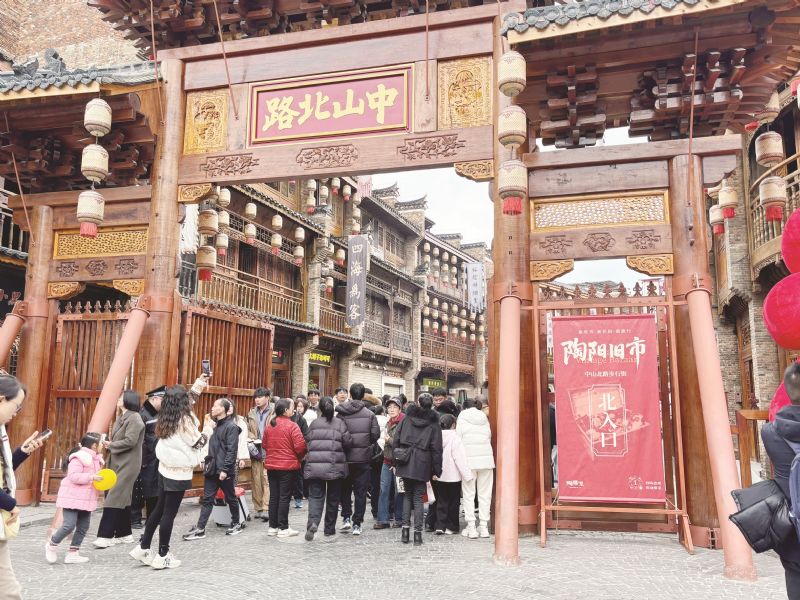
Core Viewpoint - The article highlights the successful integration of intangible cultural heritage (ICH) into tourism in Quzhou, particularly during the Spring Festival, resulting in a significant increase in visitor numbers and cultural engagement [1][4]. Group 1: Visitor Statistics and Impact - During the Spring Festival, Quzhou received 3.145 million visitors, marking a 37% year-on-year increase [1]. - The peak daily visitor count at the core scenic area, including the historic Water Pavilion Gate, reached 125,900 on the fourth day of the New Year, with over 60% of visitors coming during nighttime [1][2]. - The overall visitor increase during the Spring Festival was 57.51%, indicating a robust growth in the cultural tourism sector [4]. Group 2: Cultural Integration and Experience - Quzhou transformed into a "living museum" of ICH, showcasing various traditional performances from across China, including local and national heritage projects [2][3]. - The high-density and high-quality performances created a strong gathering effect, allowing visitors to engage interactively with the cultural displays, enhancing their experience [2]. - Local cultural expressions, such as the Xi'an Gaoqiang and Wuyue opera, were highlighted, demonstrating the vitality of local traditions and their appeal to younger audiences [3]. Group 3: Economic and Social Impact - The cultural events led to increased economic activity, with local businesses, such as a Hanfu store, reporting significant sales during the festival, indicating a shift in consumer behavior towards traditional culture [4]. - The integration of ICH into modern consumer experiences has transformed it from static displays to dynamic, shareable cultural products, contributing to economic growth [4]. - The success of Quzhou's cultural tourism strategy illustrates the importance of leveraging local heritage to enhance city attractiveness and competitiveness in the tourism market [4][5].
元宵有约!新会大泽同和村 “粤美村晚” 与您喜乐相聚
Nan Fang Nong Cun Bao· 2026-02-27 12:04
Core Viewpoint - The "Yue Mei Village Evening" event will be held in the Tonghe Hakka Village of the Daze Town from March 2 to 3, 2026, celebrating the Lantern Festival with various cultural activities and promoting local tourism [3][4][60]. Event Details - The event is part of the "Yue Mei Village Evening" initiative, which aims to enhance cultural engagement and tourism in the region [4][63]. - Activities will include traditional performances, a Hakka feast, and lion dance performances, showcasing local customs and attracting visitors [19][58]. Cultural Significance - The Lantern Festival celebration in Tonghe has a history dating back to the Qing Dynasty, emphasizing the importance of local traditions and community bonding [44][46]. - The event is expected to enhance the festive atmosphere and strengthen community ties among Hakka villagers [57]. Economic Impact - The festival is anticipated to attract tourists and photography enthusiasts, contributing to the local economy through the promotion of Hakka delicacies and cultural experiences [58][59].

没放过鞭炮的城巴佬,不去广西这里就亏了
3 6 Ke· 2026-02-27 09:28
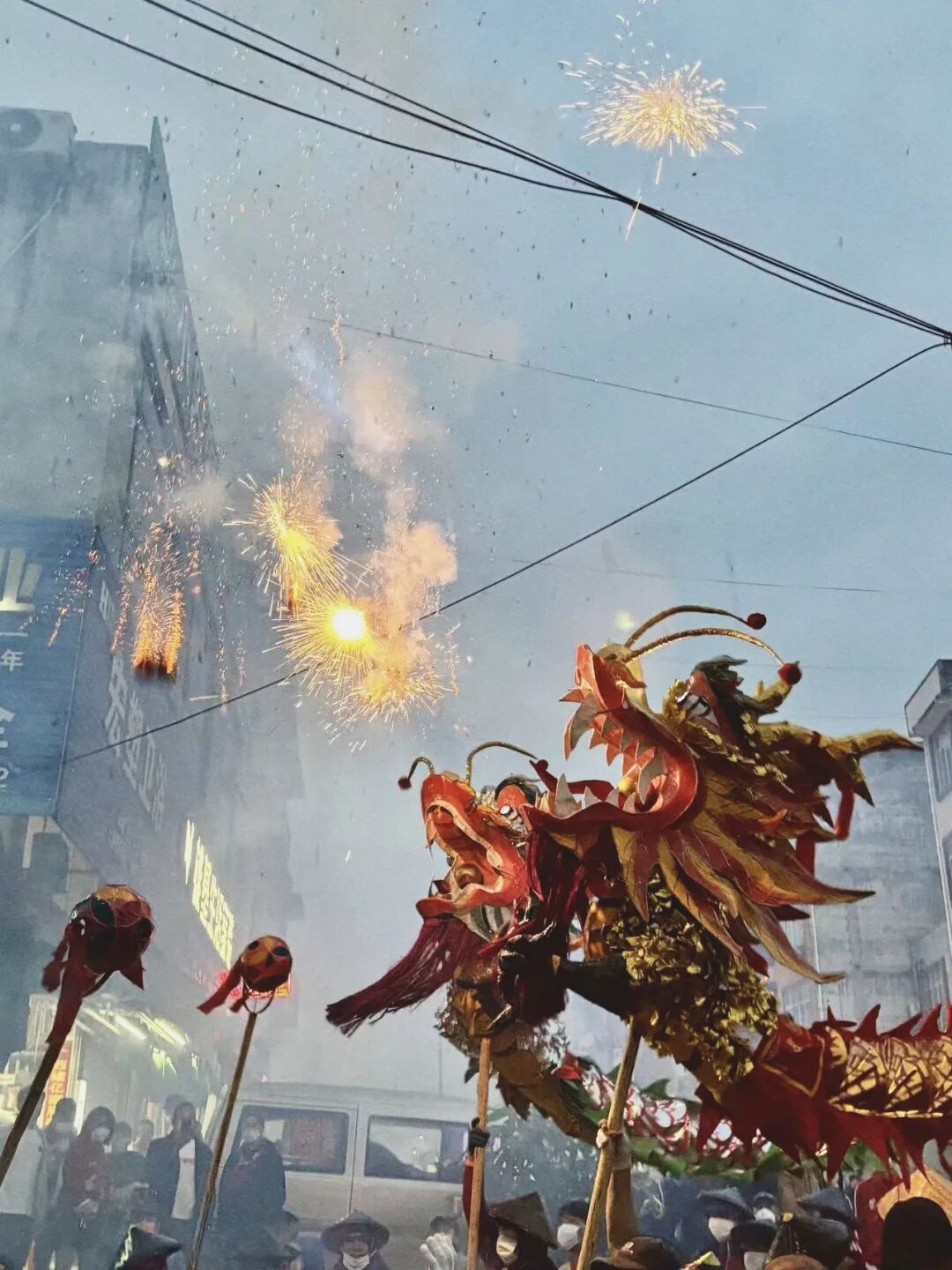
Core Viewpoint - The "Pao Long Festival" in Guangxi has gained significant popularity on social media, being described as a "game for the brave" and an "Eastern carnival" from Guangxi, despite its long-standing cultural significance and history of over a thousand years [1]. Group 1: Festival Overview - The Pao Long Festival is celebrated annually, particularly in Binjiang County, which is recognized as the birthplace of the festival, featuring a rich history of bamboo weaving dating back to the Tang Dynasty [3]. - The festival is characterized by grand celebrations, with numerous activities and a high number of Pao Longs, particularly on the eleventh day of the lunar new year [3]. Group 2: Cultural Significance - For locals, the Pao Long Festival is not merely a recent trend but a vital occasion for community bonding and expressing good wishes for the new year, deeply rooted in tradition [1]. - The festival includes various customs, such as the "Hundred Family Banquet," where local families come together to celebrate, showcasing the communal spirit [32]. Group 3: Local Economy and Tourism - The rise of the Pao Long culture has led to significant changes in local commerce, with the emergence of creative shops and workshops, attracting tourists year-round [20]. - The local economy benefits from the festival, with various food stalls and souvenir shops thriving during the celebrations, indicating a positive impact on the community's livelihood [9][20]. Group 4: Safety and Regulations - The festival organizers ensure safety by using specially designed firecrackers with low gunpowder content, enhancing the safety of the Pao Long activities [25]. - Participants are advised to take precautions, such as wearing masks and using ear protection, to mitigate the risks associated with the loud fireworks [26].
铁花耀太行 年味润三晋
Xin Lang Cai Jing· 2026-02-27 04:57
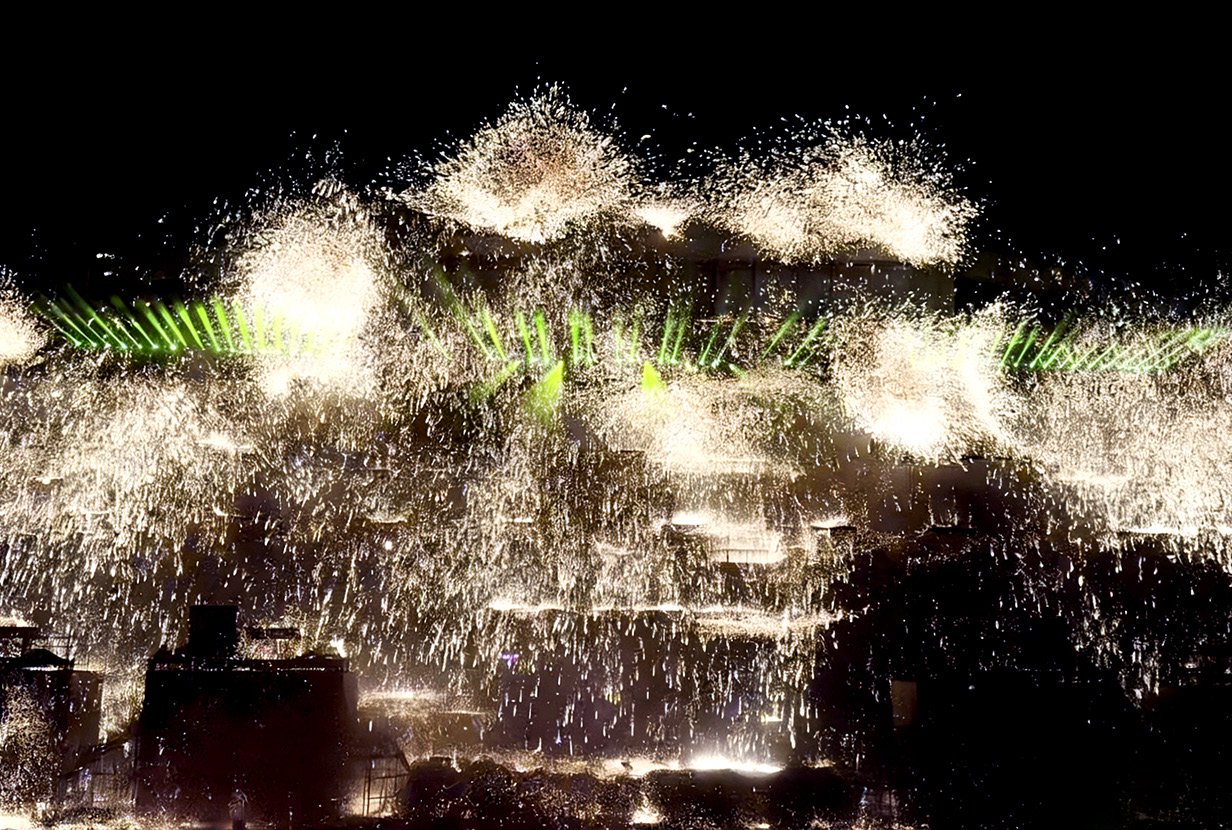
Core Viewpoint - The celebration of traditional customs during the Spring Festival in the ancient villages of the Taihang Mountains showcases a vibrant blend of cultural heritage and modern festivities, highlighted by the spectacular "Iron Flower" performance, which symbolizes the deep-rooted cultural essence and warmth of local life [2][3][4]. Group 1: Cultural Significance - The "Iron Flower" performance is a representation of a thousand-year-old intangible cultural heritage, embodying the cultural roots and the warmth of local traditions [3][4]. - The event merges traditional beauty with the joy of everyday life, creating a dreamlike atmosphere that captivates both locals and visitors [3][4]. Group 2: Community Engagement - The streets are filled with people eagerly participating in the festivities, reflecting a strong community spirit and a shared anticipation for the New Year celebrations [2][3]. - The vibrant atmosphere is enhanced by the presence of food stalls and the sounds of laughter and conversation, emphasizing the warmth and togetherness of family reunions during the festival [3][4]. Group 3: Visual and Sensory Experience - The performance features high-temperature molten iron being struck into the night sky, creating a stunning visual display that leaves the audience in awe [2]. - The decorations, including red lanterns and warm yellow lights, transform the village into a festive sea of color, enhancing the celebratory mood [3].
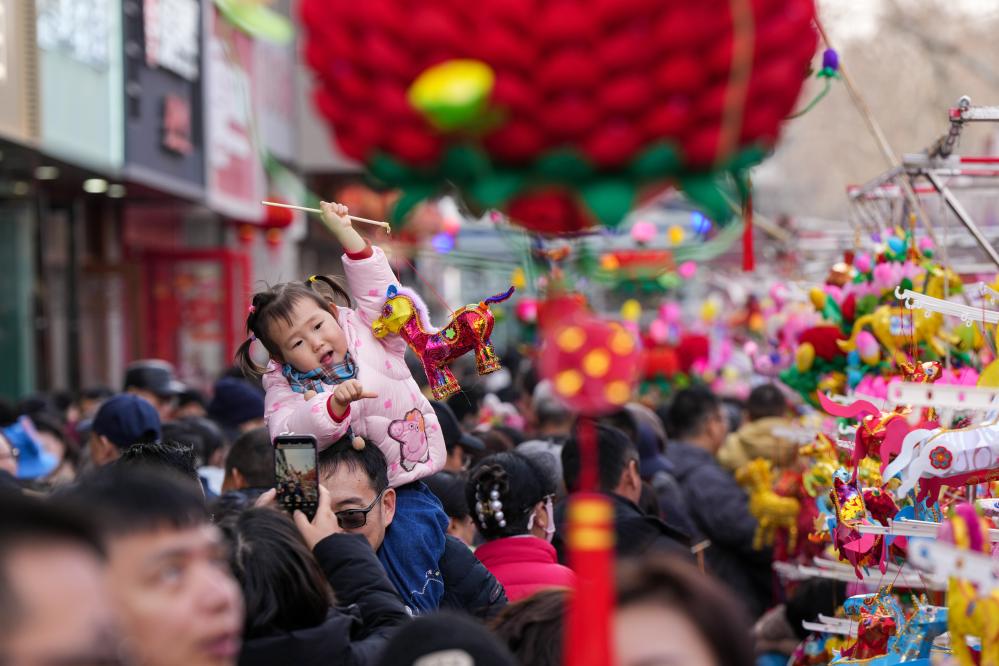
厂甸庙会闹新春
Xin Lang Cai Jing· 2026-02-27 02:55
Group 1 - The core theme of the article highlights the vibrant atmosphere of the Factory Dian Temple Fair in Beijing, showcasing a blend of traditional culture and modern experiences during the Spring Festival [1][2]. - The Factory Dian Temple Fair, with a history of 400 years, is recognized as a national intangible cultural heritage event, attracting large crowds and featuring various traditional activities and local delicacies [1]. - This year's fair includes 155 market stalls, with renowned brands and innovative cultural products, emphasizing the integration of heritage and contemporary experiences [1][2]. Group 2 - The event director, Yuan Zihang, emphasizes the fair's focus on cultural elements, combining horse year culture, intangible heritage, and immersive interactions to enhance visitor engagement [2]. - The fair encourages visitors to not only purchase items but also to learn traditional crafts, thereby embedding cultural appreciation in the younger generation [2].
文化中国行丨非遗贺新春 九州年味浓
Xin Hua Wang· 2026-02-26 22:18
Core Insights - The article highlights the vibrant cultural atmosphere during the Spring Festival in China, particularly focusing on the traditional lantern festival in Nanjing and various cultural events across the country [1][2][3]. Group 1: Lantern Festival in Nanjing - The Nanjing Qinhuai Lantern Festival attracted 4 million visitors during the Spring Festival holiday, showcasing a rich cultural experience with over 1,700 years of history [1]. - The festival featured intricate lantern designs, including a 15-meter high lantern group and a "blessing tree" made of nearly a thousand lanterns, creating a nostalgic atmosphere for visitors [1][2]. Group 2: Cultural Performances and Activities - The large-scale performance "Dream Back to Hongzhou" in Nanchang integrated traditional elements like iron flower performances and modern stage technology, enhancing the festive experience [2][3]. - The Maoling Museum in Shaanxi hosted a cultural event centered around the theme of "horse," attracting 27,937 visitors and offering interactive experiences related to Han culture and heritage [3]. Group 3: Community Engagement and Tradition - In Inner Mongolia, a folk art performance titled "Horse Treading Spring Wind, Prosperous Songs" involved over 500 local farmers, showcasing traditional dance and music, emphasizing community participation in cultural heritage [5]. - The event featured a blend of Mongolian and Han cultural elements, with performances like dragon dances and high stilt shows, highlighting the importance of cultural exchange and celebration during the New Year [5].
指尖上的非遗年味: 我在夫子庙扎花灯
Xin Lang Cai Jing· 2026-02-26 16:38
Core Viewpoint - The article highlights the traditional craft of making flower lanterns, specifically the zodiac horse lanterns, emphasizing the intricate process and the dedication of artisans like Sun Song, who is a representative inheritor of intangible cultural heritage [1][5]. Group 1: Craftsmanship and Process - The making of a zodiac horse lantern involves 32 detailed steps, including design, template creation, wire shaping, welding, and decoration, showcasing the complexity and artistry involved [5]. - Sun Song's approach to crafting lanterns reflects a commitment to quality, as he adjusts his designs based on feedback from his grandchildren, indicating a market-driven focus on aesthetics [5]. Group 2: Market and Cultural Significance - In the Fuzimiao area, there are 47 registered flower lantern makers, with over 30 varieties of horse lanterns available, each with unique characteristics, indicating a vibrant local industry [5]. - The price of a small horse lantern ranges from 40 to 50 yuan, primarily purchased by parents for children, symbolizing good fortune during the New Year celebrations [5].
兴宁上灯再度亮相央视!
Nan Fang Nong Cun Bao· 2026-02-26 12:35
Core Viewpoint - The "Xingning Lantern Festival" has gained national attention by being featured on CCTV, showcasing the unique cultural heritage of Hakka customs and the significance of lantern-making as a form of artistic expression and community celebration [2][4][16]. Group 1: Cultural Significance - The festival, known as "Shangdeng," celebrates the prosperity of families and communities through the symbolism of lanterns, which represent good fortune and family growth [9][10]. - The event has a rich history of over 800 years and was included in the Guangdong Province Intangible Cultural Heritage List in 2018, highlighting its importance in local culture [11][12]. Group 2: Festival Activities - The festival activities span from the seventh to the twenty-second day of the first lunar month, featuring various stages such as lantern requests, lighting, and warm-up events, making it a unique celebration in the Hakka region [10][11]. - During the festival, ancestral homes are decorated with lanterns, and traditional performances like dragon and lion dances take place, attracting both local residents and overseas Hakka descendants [14][15][17]. Group 3: Promotion and Future Events - The promotional short film aired on CCTV-2 and CCTV-17 starting February 23, following a documentary that aired during the Spring Festival, further enhancing the visibility of the festival [7][8]. - Upcoming "Shangdeng+" series activities include various cultural experiences and events aimed at inviting visitors to participate in the festival, promoting cultural identity and tourism [18][20].
春节文旅市场“马”力全开 “瓷都”吸客375万人次揽金31.2亿
Xin Lang Cai Jing· 2026-02-26 00:06
Core Insights - The article highlights the vibrant cultural and tourism activities in Jingdezhen during the Spring Festival, showcasing the city's rich ceramic heritage and attracting a significant number of visitors [2][3][4]. Group 1: Tourism and Visitor Statistics - Jingdezhen received a total of 3.75 million visitors during the Spring Festival, generating a tourism revenue of 3.12 billion yuan [2]. - The city hosted over 100 unique cultural and tourism events, emphasizing its cultural appeal and revival during the holiday season [2]. Group 2: Cultural Activities and Experiences - The city integrated various activities such as markets, exhibitions, and interactive experiences centered around ceramic culture, enhancing the festive atmosphere [3][4]. - Traditional performances like "Intangible Cultural Heritage Hundred Plays" and interactive projects like "Clay Transport Challenge" were popular among families, allowing visitors to engage with the cultural heritage [4][5]. Group 3: Technological Integration and Museum Exhibitions - Museums in Jingdezhen launched high-quality exhibitions, including the "Horse Dance New Year" showcasing hundreds of horse culture-themed artifacts, enhancing the cultural depth of the visit [5]. - The use of VR technology in exhibitions provided an immersive experience, allowing visitors to explore the history and craftsmanship of ceramics interactively [6]. Group 4: Visitor Experience and Services - The city implemented various visitor services, including information centers and clear signage, to ensure a smooth and enjoyable experience for tourists [6]. - Feedback from visitors indicated a strong appreciation for the blend of traditional culture and modern interactive experiences, making the trip memorable [5][6].