守正出新

Search documents
盐帮菜让人舌尖“炸裂”的魅力何在
Xin Lang Cai Jing· 2026-01-20 19:54
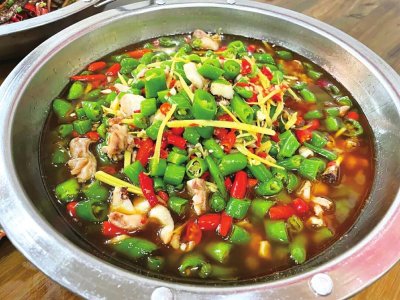
Core Viewpoint - The article highlights the unique culinary heritage of Zigong, particularly focusing on the "Salt Gang" cuisine, which includes distinctive cooking techniques and flavors that have gained national recognition and commercial success. Group 1: Salt Gang Cuisine Overview - Zigong cuisine, known as "Salt Gang" cuisine, is a significant part of Sichuan cuisine, standing alongside the Chengdu and Chongqing styles [4] - The core of "Salt Gang" cuisine is the salt-based cooking methods that emphasize rich flavors and unique techniques, resulting in various dishes like "cold eat," "fresh pot," and "fire explosion" [4][5] Group 2: Cold Eat Series - The "cold eat" series, with "cold eat rabbit" as its flagship dish, features a variety of cold dishes that are characterized by their unique flavor profiles [5] - The preparation involves careful salting and marinating to enhance the freshness and texture of the ingredients, creating a distinctive taste that has been recognized as a national geographical indication product since 2014 [5][6] - The brand value of "Zigong cold eat rabbit" has surpassed 20 billion yuan, with projected sales revenue of nearly 9 billion yuan in 2024, marking it as a prominent representation of Zigong cuisine on a national scale [6] Group 3: Fresh Pot Series - The "fresh pot" series, represented by "fresh pot rabbit," introduces a new flavor profile to Sichuan cuisine, utilizing fresh ingredients and a unique cooking method that emphasizes the use of fresh peppers and ginger [6][7] - This cooking technique, derived from the traditional "live crossing" method, creates a vibrant and flavorful dish that appeals to modern tastes [7] Group 4: Fire Explosion Series - The "fire explosion" series showcases the technique of high-temperature quick frying, with dishes like "fire explosion kidney" and "fire explosion liver" being particularly popular among younger consumers and tourists [7] - This method ensures the freshness of the ingredients while enhancing the complex aromas of spices, resulting in a memorable taste experience [7][8] Group 5: Modern Adaptation of Salt Gang Cuisine - Salt Gang cuisine has evolved beyond traditional flavors, incorporating modern aesthetics and presentation to meet contemporary consumer preferences [8] - The cuisine balances traditional craftsmanship with innovative elements, showcasing a blend of heritage and modernity that appeals to a wider audience [8]

必胜客在2025 | 从“庆祝餐厅“到“每日之选”
Guan Cha Zhe Wang· 2025-12-30 12:07
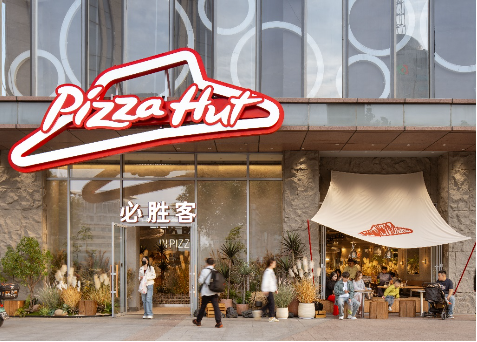
Core Insights - The article highlights the strategic evolution and expansion of Pizza Hut in China, emphasizing its adaptation to changing consumer preferences and market dynamics. Group 1: Brand Evolution and Market Positioning - Pizza Hut has transformed from a high-end dining experience to a daily dining choice, aiming to provide high-quality Western cuisine at competitive prices [9][11] - The brand's expansion strategy is characterized by rapid growth, with plans to increase the number of stores from 3,000 to 4,000 in just over two years, targeting 6,000 by 2028 [6][15] - The collaboration with popular IPs and themed promotions has helped Pizza Hut maintain a strong connection with consumers, reinforcing its brand identity over 35 years [4][5] Group 2: Operational Strategies and Innovations - The introduction of the "WOW store" model targets lower-tier markets and single diners, focusing on daily low prices and menu innovation [8] - A robust franchise system is being utilized to penetrate areas that are difficult for the company to reach directly, leveraging local partners for operational efficiency [8] - Pizza Hut's supply chain, supported by Yum China, includes 33 logistics centers, enabling efficient distribution and quality control across over 5,000 towns [8] Group 3: Financial Performance and Market Response - In the first three quarters of 2025, same-store traffic increased by 17% year-on-year, demonstrating the effectiveness of operational improvements and strategic pricing adjustments [11] - Despite price reductions, the restaurant's profit margins have increased, indicating a successful balance between cost management and value delivery [11] Group 4: Digital Transformation and Customer Engagement - The rise of delivery services has become a significant part of Pizza Hut's business model, with over half of sales coming from delivery and takeout [13] - The company is focusing on transforming its membership program to enhance customer loyalty beyond discounts, creating a sense of belonging among its 200 million members [13] - AI technology is being integrated into operations, such as the AI smart manager "Q Rui," to optimize scheduling and inventory management, improving overall service quality [14] Group 5: Future Aspirations and Community Engagement - Pizza Hut aims to double its profits by 2029, reflecting a strong growth ambition in the competitive Chinese dining market [16][17] - The company is also launching community initiatives, such as the "Little Red Hat Project," to engage youth in volunteerism and social responsibility [17]
必胜客在2025|从“庆祝餐厅”到“每日之选”
Xin Lang Cai Jing· 2025-12-30 11:15
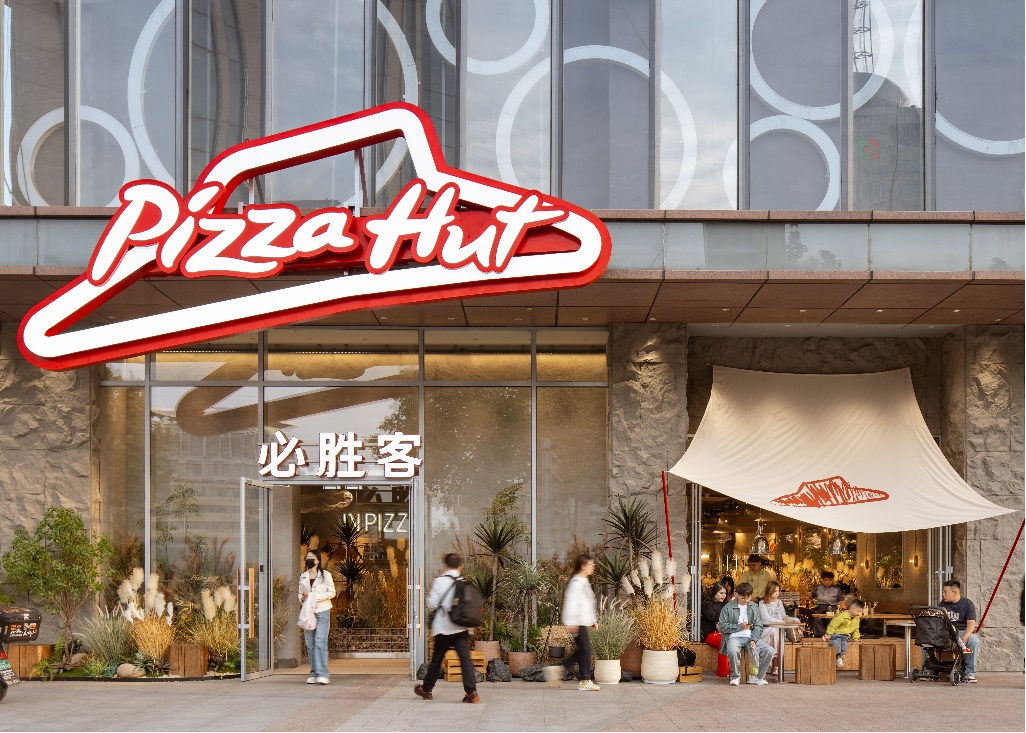
Core Insights - The article highlights the rapid expansion and strategic evolution of Pizza Hut in China, emphasizing its transformation from a premium dining option to an everyday choice for consumers [4][5][25]. Group 1: Expansion Strategy - Pizza Hut has accelerated its store openings, reaching 4,000 locations in just over two years, with a target of 6,000 by 2028 [5][22]. - The brand's expansion is driven by deep market insights, recognizing the shift in consumer preferences from occasional high-end dining to affordable, everyday options [5][22]. - The introduction of the "WOW store" model targets lower-tier markets and single diners, focusing on daily low prices and menu innovation [7][24]. Group 2: Value Repositioning - Recent price adjustments are part of a strategic "value return" initiative, aiming to redefine consumer perceptions of Pizza Hut as a provider of high-quality yet affordable dining experiences [8][25]. - The brand's goal is to transition from being seen as a special occasion restaurant to a regular dining choice for consumers [8][25]. Group 3: Menu Innovation - Pizza Hut maintains a balance between classic offerings and innovative new products, appealing to both nostalgic customers and younger consumers [10][28]. - New menu items, such as unique pizzas, are designed to enhance social media engagement and attract a younger demographic [11][29]. Group 4: Digital Transformation - The rise of delivery services has significantly changed Pizza Hut's business model, with over half of sales now coming from delivery and takeout [13][30]. - The company leverages advanced technology, including AI and automation, to enhance operational efficiency and improve customer service [14][31]. Group 5: Future Ambitions - Pizza Hut aims to double its profits by 2029, reflecting confidence in the growing capacity of the Chinese dining market [15][32]. - The brand is also launching a new community initiative, the "Little Red Hat Project," to engage youth in volunteer activities [15][32].