
实体经济增长放缓

Search documents
“股神”巴菲特的衰退指标发出2026年首个重大警报!警惕市场突然猛烈回调
Sou Hu Cai Jing· 2026-01-14 07:25
Group 1 - The Buffett Indicator has reached approximately 224%, marking a historical high, indicating that the total market capitalization of U.S. stocks exceeds twice the size of the U.S. economy [1][4] - This extreme deviation from historical norms often precedes significant market pressure and potential economic downturns [1][4] - The indicator has been rising since 2010, reflecting prolonged loose monetary policy, corporate valuation expansion, and strong investor preference for risk assets [4] Group 2 - The recent surge in the Buffett Indicator is particularly concerning as it coincides with signs of slowing growth in certain sectors of the real economy [5] - When market capitalization expands at a rate faster than GDP for an extended period, it often suggests that the implied expectations in stock prices may be overly optimistic [5]

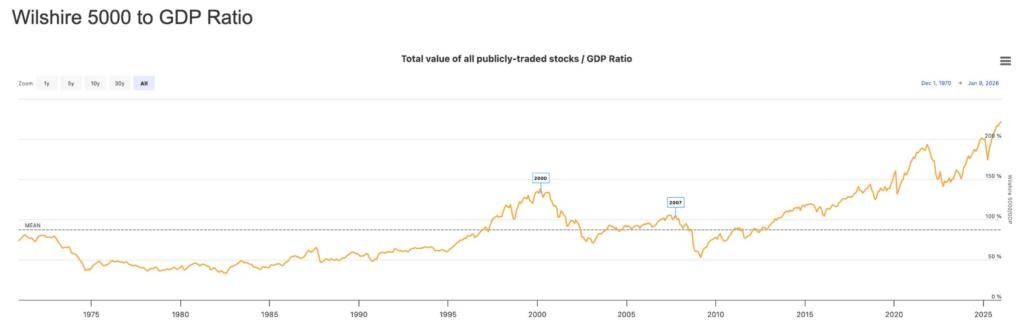
全球经济面临挑战不确定性增加
Jing Ji Ri Bao· 2025-07-14 22:07
Group 1: Economic Challenges - The global economy is facing a slowdown in real economic growth, characterized by low potential output growth, fiscal vulnerabilities, and increased macro-financial risks [1][2] - Factors contributing to the slowdown include declining productivity, aging populations, and challenges posed by technological changes [2] - Trade fragmentation and rising protectionism are exacerbating the decline in economic and productivity growth, leading to increased sensitivity of output changes to inflation [2] Group 2: Fiscal Vulnerabilities - Many countries are experiencing high levels of public debt, reaching or exceeding peacetime highs, which increases their vulnerability to inflation and financial stability [2] - The sustainability of fiscal policies is becoming a pressing issue due to rising costs associated with aging populations, pensions, healthcare, and infrastructure investments [2] - Maintaining fiscal sustainability is crucial for reducing risks and ensuring economic stability [2] Group 3: Macro-Financial Risks - There is a shift from bank-based financial intermediation to non-bank financial sectors, leading to increased credit and liquidity risks in non-bank financial institutions [3] - The rapid growth of private credit funds and the role of non-bank financial institutions in cross-border transactions contribute to heightened vulnerabilities in financial markets [3] - Recommendations include reducing market rigidity, increasing public investment, strengthening fiscal frameworks, and ensuring debt sustainability to address these challenges [3]