
家校协同

Search documents
孩子快乐上学,家长更要轻装上阵
Xin Lang Cai Jing· 2026-02-02 08:44
Core Viewpoint - The incident involving the collection of 263.3 yuan highlights the hidden issues in the relationship between schools and families, emphasizing the need for transparency in educational fees and the importance of returning to the essence of education [1][2][4] Group 1: Issues in School-Family Relations - The 263.3 yuan incident is not an isolated case but reflects a broader issue of the distortion of parent committees and the phenomenon of illegal fees in education [2] - Examples of excessive fees include a school in Shanxi planning to raise over 5,000 yuan for teachers' gifts and another in Anhui collecting 80,000 yuan in class fees, indicating a trend of coercive fundraising under the guise of voluntary contributions [2] - The Ministry of Education has established clear regulations prohibiting schools and parent committees from collecting fees outside of an approved list, yet some schools neglect supervision, allowing these practices to continue [2] Group 2: Educational Burden Reduction - The essence of educational burden reduction is a transformation towards "school-family collaboration," where both schools and parents share responsibilities [3] - Initiatives like the multi-dimensional homework system in Nanyang and the "five dimensions" homework model in Fuzhou aim to clarify the boundaries of responsibilities between schools and families, allowing parents to transition from being "academic overseers" to "companions" [3] - A supportive social environment is crucial for alleviating parental anxiety regarding educational quality and children's futures, which can be achieved by moving away from a narrow focus on grades and exam results [3] Group 3: Educational Reform Opportunities - The 263.3 yuan incident serves as both a warning and an opportunity for reform, reminding stakeholders that the goal of education should be to ensure children enjoy learning and parents feel less burdened [4] - Educational burden reduction involves not only decreasing academic pressure on students but also alleviating the psychological burdens on parents, necessitating a comprehensive restructuring of the educational ecosystem [4] - It is essential to uphold the original intent of education, fostering trust between schools and families, and ensuring that responsibilities are appropriately assigned to create a conducive environment for children's growth [4]
江北推出“码上食光”陪餐制
Feng Huang Wang Cai Jing· 2026-01-13 12:51
Core Viewpoint - The "Code on Food" program in Jiangbei District allows parents to experience school meals alongside their children, enhancing transparency and trust in school nutrition [1][2] Group 1: Program Implementation - The "Code on Food" program enables parents to scan a QR code to book a visit to schools and share meals with their children [1] - The initiative is currently being piloted in four schools in Jiangbei District, with plans for district-wide implementation in the spring semester [2] Group 2: Parental Feedback and School Response - Parents have the opportunity to provide feedback through a "Parent Meal Feedback Form," which is crucial for the program's oversight mechanism [1] - The school has established a "48-hour rapid response" mechanism to address parental suggestions, ensuring a closed-loop management system for feedback [1][2] - Monthly summaries of feedback are compiled to continuously improve cafeteria services, reflecting a commitment to meeting the needs of both parents and students [2]
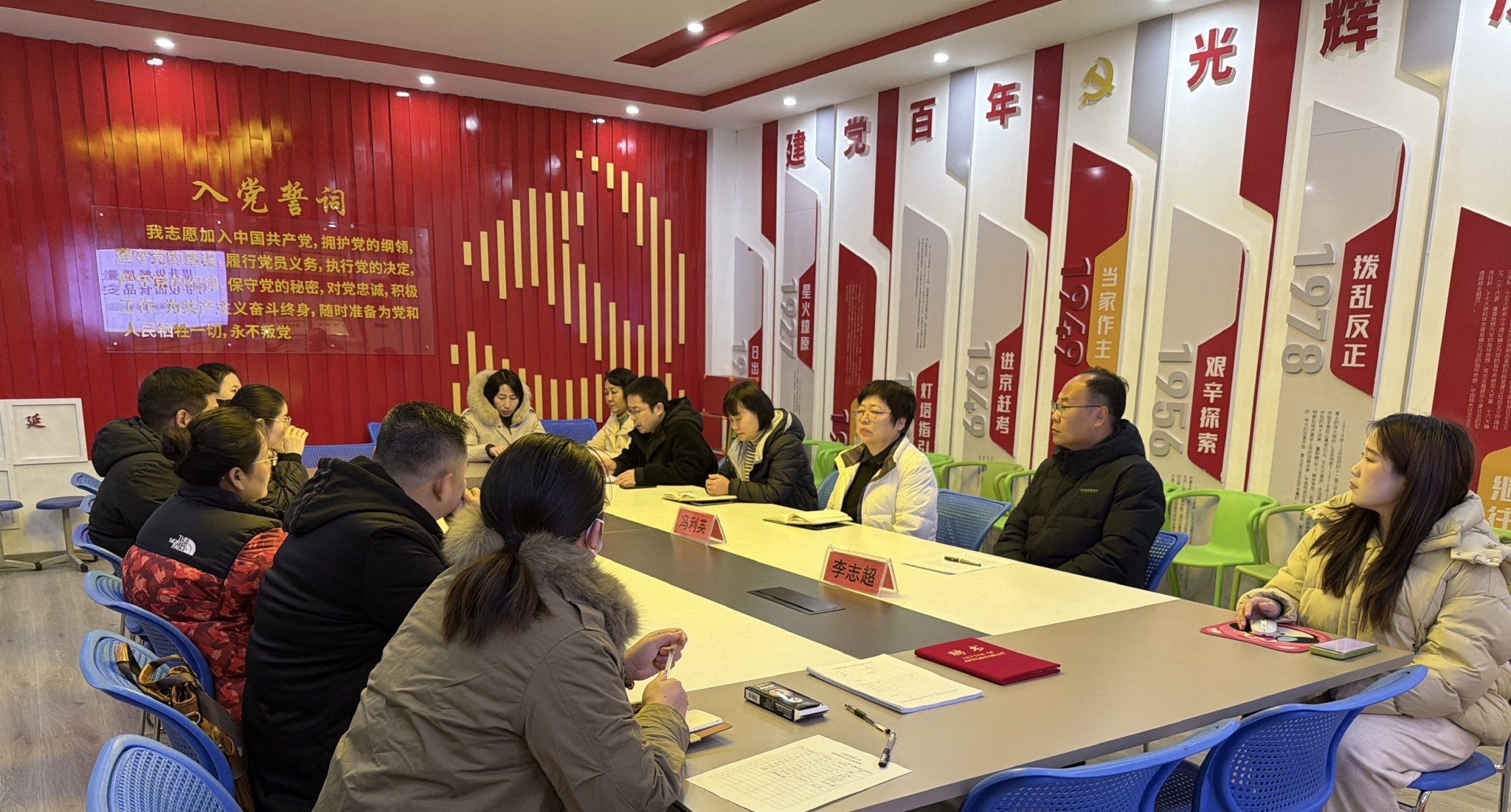
家校携手,共筑美好“食”光——管城区外国语牧歌小学召开膳食委员会专题会议
Xin Lang Cai Jing· 2025-12-28 03:56
Core Insights - The article discusses the successful convening of the Dietary Committee meeting at the Foreign Language Muge Primary School in Zhengzhou, focusing on enhancing student dietary health through collaborative efforts [1] Group 1: Meeting Overview - The meeting featured school leaders, committee members, and teacher representatives discussing student dietary health through various interactive formats [1] - New committee members were formally appointed, emphasizing their commitment to overseeing children's dietary health [4] Group 2: Responsibilities and Transparency - The Dietary Committee's responsibilities include supervising the school canteen's financial management and food safety, as well as evaluating meal quality and nutritional balance [4][5] - The office director provided a detailed report on the canteen's financial situation, inviting parents to review accounts and raise inquiries [5] Group 3: Food Safety Measures - The school's food safety director outlined comprehensive measures for food safety, including strict adherence to safety standards at every stage from ingredient sourcing to meal preparation [5] - Emphasis was placed on the importance of collaboration between the school and parents to create a robust safety net for food safety [5] Group 4: Interactive Feedback - During the interactive session, committee members discussed topics such as food safety and meal quality, with parents expressing satisfaction with the school's food safety efforts [8] - The principal reiterated the committee's supervisory role and encouraged members to translate their responsibilities into daily monitoring actions [8] Group 5: Practical Engagement - After the meeting, committee members observed the meal serving process and dined with students, providing feedback on the taste and nutritional balance of the meals [11] - The school aims to continuously optimize its dietary service system, focusing on student health and parental oversight [11]

当大学遇上“家长会”“家长群”
Zhong Guo Qing Nian Bao· 2025-10-14 22:42
Core Viewpoint - The emergence of parent meetings in universities has become a new norm, reflecting a shift in the relationship between parents and educational institutions, with parents increasingly involved in their children's university experience [2][8][21]. Group 1: Parent Meetings - Parent meetings are now held in at least 50 universities and colleges for the 2025 academic year, indicating a growing trend in higher education [1][2]. - These meetings are characterized by a focus on changing roles, learning to let go, and paying attention to students' mental health [2][10]. - The format of these meetings resembles lectures rather than traditional parent-teacher conferences, aiming to alleviate parental anxiety [2][10]. Group 2: Parent Groups - Informal parent groups have emerged, allowing parents to share information and support each other, with some groups exceeding 200 members [3][4]. - Discussions in these groups often revolve around practical matters such as dormitory arrangements and student well-being [3][4]. - Parents express a desire for official parent groups to facilitate better communication regarding important academic events [4][5]. Group 3: Parental Involvement - There is a noticeable increase in parental involvement in students' university lives, with parents often seeking information that students may not share [5][12]. - Some parents exhibit excessive concern, leading to feelings of surveillance among students, which can strain relationships [4][5]. - The role of parents has evolved, with many now actively participating in discussions about their children's academic and social lives [12][20]. Group 4: Educational Institutions' Response - Universities are adapting to this increased parental involvement by establishing parent groups and facilitating communication, although this raises questions about boundaries and student independence [16][18]. - Some educators express concerns that this trend may undermine students' ability to take responsibility for their own lives [17][20]. - The concept of "dual engagement" is highlighted, where both parents and institutions are navigating the complexities of supporting students in their transition to adulthood [12][21]. Group 5: Challenges and Concerns - The rise of parent groups has led to challenges, including potential conflicts among parents and the pressure on educators to manage these dynamics [24][26]. - There is a growing concern that the increased involvement of parents may lead to heightened anxiety for both students and parents, complicating the educational experience [11][20]. - The need for a balanced approach to parent involvement is emphasized, with calls for clearer boundaries and respect for students' autonomy [18][24].

北京市发布中小学生“身心健康二十条” 促进德智体美劳全面发展
Zhong Guo Jing Ying Bao· 2025-05-14 14:59
Core Viewpoint - The "Twenty Measures for Promoting the Physical and Mental Health Development of Primary and Secondary School Students" focuses on a comprehensive approach to enhance students' well-being through collaboration among schools, families, and society [1][2]. Group 1: Key Measures - The measures include diverse teaching methods, improvement of student growth records, and the use of AI technology for family education [1]. - Specific tasks are outlined for families, schools, and society to create a supportive environment for students' health [3]. - The initiative emphasizes the importance of home-school collaboration, including a home visit system for students facing various challenges [3]. Group 2: Health Indicators and Support - The measures will integrate student health indicators into educational planning and increase funding support for health initiatives [5]. - Schools are encouraged to develop tailored health improvement plans and evaluate their effectiveness based on student health outcomes [5]. Group 3: Focus on Physical Education - The initiative highlights the importance of physical education, mandating specific weekly physical education classes across different school levels [6]. - The focus on physical activity is part of a broader strategy to address rising issues such as obesity and mental health among students [6]. Group 4: Technological Integration - The introduction of the "Jingwa" intelligent system will utilize AI to analyze students' daily activities and dietary habits, providing tailored health services [7].