
家风家训

Search documents
四渡赤水红军故事入选
Xin Lang Cai Jing· 2025-12-28 19:25
Core Viewpoint - The seventh batch of provincial intangible cultural heritage representative projects has been officially announced, including 107 projects, with 68 newly selected and 39 expanded projects [5]. Group 1: Overview of New Projects - The newly included projects reflect significant breakthroughs, such as the story of the Red Army's four crossings of the Chishui River in the category of folk literature, and various traditional skills like the restoration techniques for Sichuan bronze ware and ancient stone carvings [5]. - The selection process aims to address previous omissions and adapt to contemporary needs, showcasing a trend of "filling gaps" in the recognition of traditional projects [6]. Group 2: Focus on Traditional Medicine - A notable number of projects recognized this time are related to traditional medicine, highlighting Sichuan's historical significance as a center for Chinese medicine [6]. - The inclusion of projects related to spiritual healing, such as Tibetan medicine end-of-life care therapy, indicates a growing recognition of previously overlooked areas [6]. Group 3: Cultural Heritage Integration - The selection process emphasizes the integration of cultural heritage and intangible cultural heritage protection, promoting mutual enhancement between the two [7]. - Projects like the restoration techniques for Sichuan bronze ware and traditional architecture reflect the evolving social demands and the importance of these skills in archaeological work [7]. Group 4: Family Values and Morality - New projects in the category of folk customs, such as family values and teachings, highlight their relevance in modern Chinese society and their role in moral education [8]. - Family values serve as a cultural continuity and a moral framework, adapting to contemporary societal changes while maintaining their significance [8].

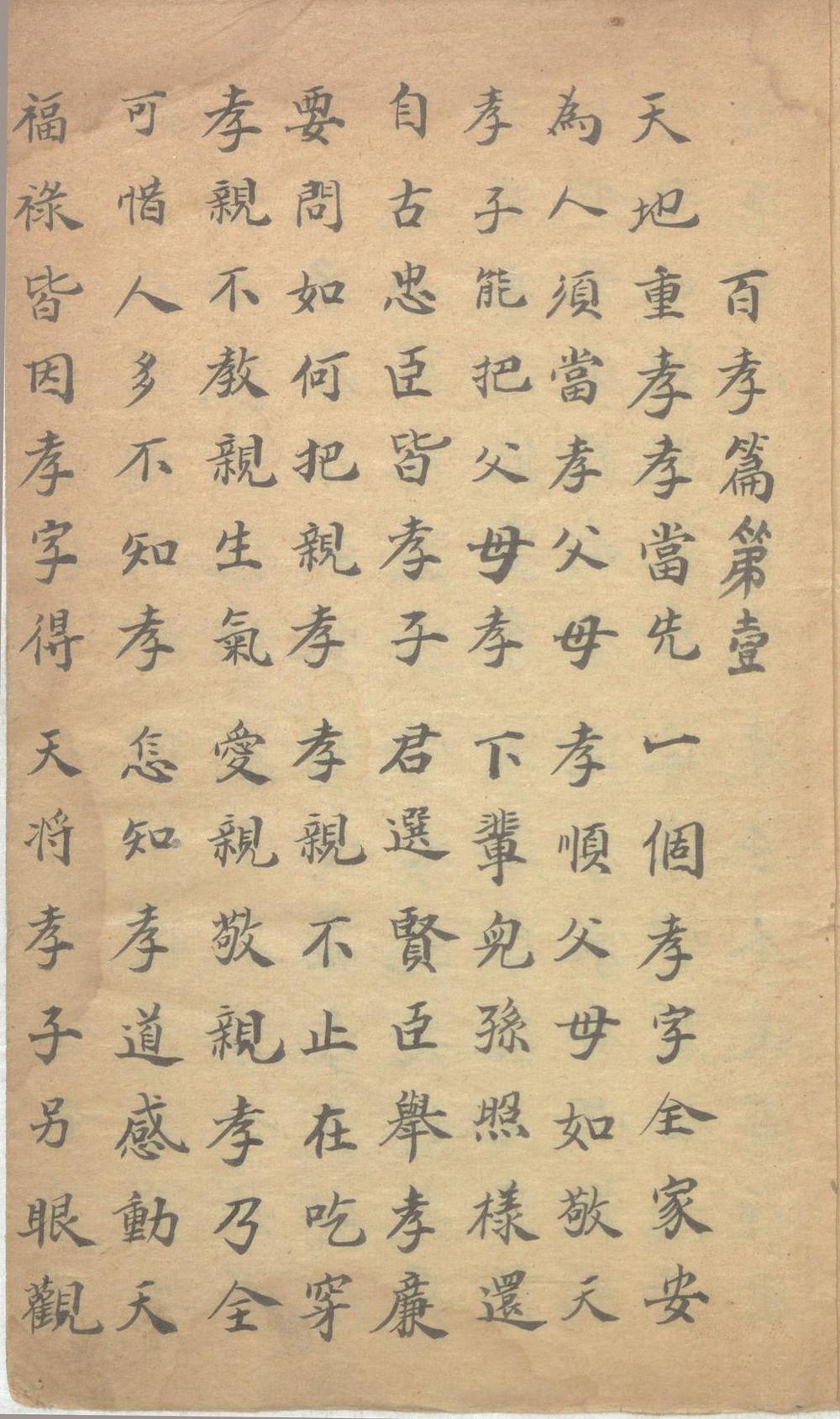
礼俗建构与教化传承:太行山家训类蒙书的类型、特征及时代价值 (上)
Xin Lang Cai Jing· 2025-12-27 01:14
Core Viewpoint - The article emphasizes the significance of family traditions and teachings (家风家训) in Chinese culture, highlighting their role in moral education and societal governance, as well as their reflection of Confucian values [6][7]. Group 1: Types of Family Teachings - The Taixing Mountain documents categorize family teachings into four main types: common people's teachings, craftsmen's teachings, women's teachings, and children's teachings, forming a comprehensive educational system that reflects traditional governance ideals [7][8]. - These categories are interrelated and serve the overarching goal of "cultivating oneself, regulating the family, governing the state, and achieving peace in the world" [7]. Group 2: Common People's Teachings - Common people's teachings focus on transforming abstract ethical principles into practical life practices, with texts like "Hundred Sentences" and "Family Must Reads" providing accessible moral guidance [8][9]. - The "Hundred Sentences" emphasizes family ethics, linking moral cultivation directly to family prosperity, while "Family Must Reads" includes various moral teachings and practical advice for daily life [9][10]. - The teachings utilize simple language and rhyme to enhance memorability and effectiveness, addressing topics such as education, hard work, and social responsibilities [10]. Group 3: Craftsmen's Teachings - Craftsmen's teachings focus on professional ethics and social responsibilities alongside skill development, with texts like "Ten Character Text" and "Farmers' Miscellaneous Characters" outlining societal expectations for various professions [11]. - These teachings aim to instill a sense of duty and ethical conduct within different occupational groups, contributing to a structured moral framework in society [11].
楼道“亮家训” 邻里“心贴心”
Hang Zhou Ri Bao· 2025-12-04 02:32
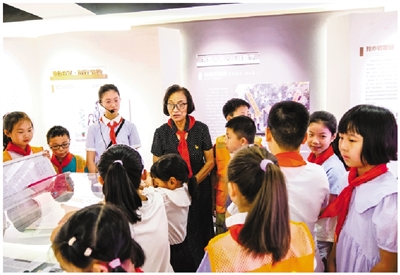
Core Viewpoint - The article highlights the importance of family values and community spirit in the Zheda Yubi community, showcasing how initiatives like the "family style corridor" have fostered neighborly relationships and cultural transmission [3][4][7]. Group A: Typical Cases - The initiative led by 79-year-old Zhou Hongying emphasizes open doors and neighborly support, reflecting a strong community bond where families do not lock their doors during the day [4]. - Zhou Hongying founded the "Three Harmonies Exchange Room" in 2011 to mediate community conflicts, promoting the idea that good family values can prevent disputes [4]. - The "family style corridor" project began in 2016, encouraging families to display their family values at their doorsteps, which has now expanded to 14 households [4][6]. Group B: Regional Highlights - The Zheda Yubi community's family style culture is part of a broader initiative in the Gongshu District to promote family values, with over 200 cultural practice sites established [7][8]. - The Gongshu District Family Style Museum, which has received nearly 65,000 visitors, serves as a key location for family value education, showcasing traditional family stories and modern interpretations [7]. - Various streets in the district are collaborating to create community events that promote traditional customs and neighborly interactions, enhancing the overall community spirit [8].
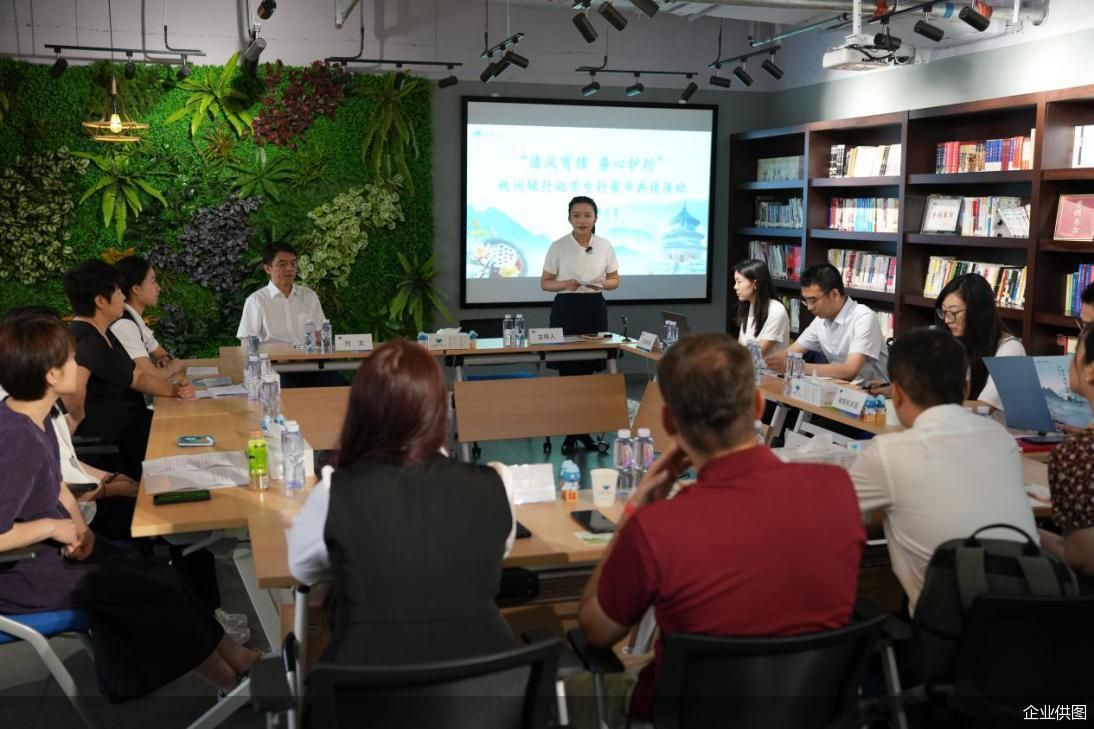
清风有信 廉心护行
Bei Jing Shang Bao· 2025-12-02 10:29
Group 1 - The article emphasizes the importance of family values and integrity in the workplace, showcasing activities that promote these ideals among employees [1][20] - A series of family letters were shared, highlighting personal stories that reflect the significance of family support and moral guidance in professional life [18][20] - The event aimed to strengthen employees' awareness of integrity and self-discipline through the sharing of family letters and experiences [1][20] Group 2 - Employees expressed their gratitude towards family members for their support and understanding, which has been crucial in their professional journeys [12][14] - The initiative included various activities that integrate traditional Chinese culture and values into the corporate environment, fostering a culture of integrity [20] - The event concluded with encouragement for young employees to remember their family's expectations and to uphold integrity in their professional conduct [18][20]
《村庄里的家风家训故事》收录全国123个案例 常熟蒋巷村成功入选
Su Zhou Ri Bao· 2025-11-14 23:44
Core Viewpoint - The article highlights the selection of Jiangxiang Village's family values and teachings as part of the "Stories of Family Values in Villages" initiative, emphasizing the importance of integrity, diligence, and community harmony in rural governance and cultural development [1] Summary by Relevant Sections Family Values and Teachings - Jiangxiang Village's family teachings are derived from the "Jiang Family Teachings," which consist of sixty principles that emphasize integrity, proper conduct, hard work, and harmonious coexistence [1] - Key teachings include: "Without trust, all is void," stressing the importance of integrity; "Walk the right path with a warm heart," guiding moral behavior; "Poverty does not take root, wealth is not born," encouraging a spirit of hard work; and "Three winds nourish each other, harmony coexists," reflecting the integration of party, family, and social values [1] Community Development Initiatives - The town of Shitang has been promoting rural cultural development by using Jiangxiang Village's family values as a model, integrating socialist core values into rural governance [1] - Efforts include identifying and promoting "Civilized Families" and "Moral Models," making the spirit of family teachings widely known [1] - The "Family Values + Civilized Practice" model is implemented through village-level practice stations and cultural halls, facilitating activities such as family teaching story sharing and community service initiatives [1] Compilation of Family Values Stories - The "Stories of Family Values in Villages" was organized by the Ministry of Agriculture and Rural Affairs, collecting submissions nationwide and ultimately including 123 exemplary family value cases [1]
家风故事|评估中心赵明月:“把方便留给别人,把困难留给自己”,这句家训父亲用一生来践行
Zhong Guo Huan Jing Bao· 2025-11-05 03:12
Group 1 - The article highlights the dedication and bravery of a father who has served as a party member for 28 years, emphasizing his commitment to public service in challenging environments [1] - It describes a significant forest fire incident in 2006 where the father took decisive action to control the fire, showcasing his leadership and selflessness [1] - The article also recounts a severe flood in 2010, where the father led efforts to protect lives and property, demonstrating his courage and quick thinking in crisis situations [2] Group 2 - The narrative includes a personal loss, as the father was unable to attend his grandmother's funeral due to the flood, highlighting the emotional toll of his responsibilities [3] - A key family value is presented through the grandmother's advice to prioritize others' convenience over one's own difficulties, which has influenced the father's actions and serves as a guiding principle for future generations [3]
聆听跨越时空的家风故事(解码·家书中的廉洁文化)
Ren Min Ri Bao· 2025-08-05 22:21
Core Viewpoint - The article highlights the significance of family values and integrity as exemplified by the revolutionary figure Xie Jueya, emphasizing the importance of education, hard work, and moral conduct in both family and public service [2][6]. Group 1: Family Values and Education - Xie Jueya's letters to his family stress the importance of hard work and self-reliance, encouraging his children to engage in labor and develop practical skills [2][3]. - A story about Xie Jueya helping his son with homework illustrates his commitment to education and instilling a strong work ethic in his children [3]. Group 2: Integrity and Public Service - Xie Jueya emphasized the need for his family to maintain integrity and avoid corruption, highlighting the distinction between public duty and personal gain [4][5]. - He discouraged his children from relying on government positions for personal benefits, promoting the idea of being a "servant" to the community rather than seeking personal advancement [5]. Group 3: Cultural and Educational Initiatives - The local government is integrating lessons from Xie Jueya's life into training programs for party members, focusing on building a culture of integrity and resistance to corruption [6].
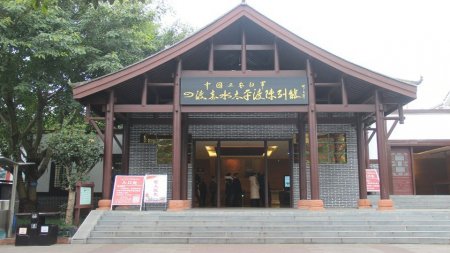
文化中国行丨从素炒豆腐到三苏文脉 千年家训解码家国情怀
Yang Shi Xin Wen Ke Hu Duan· 2025-05-15 07:44
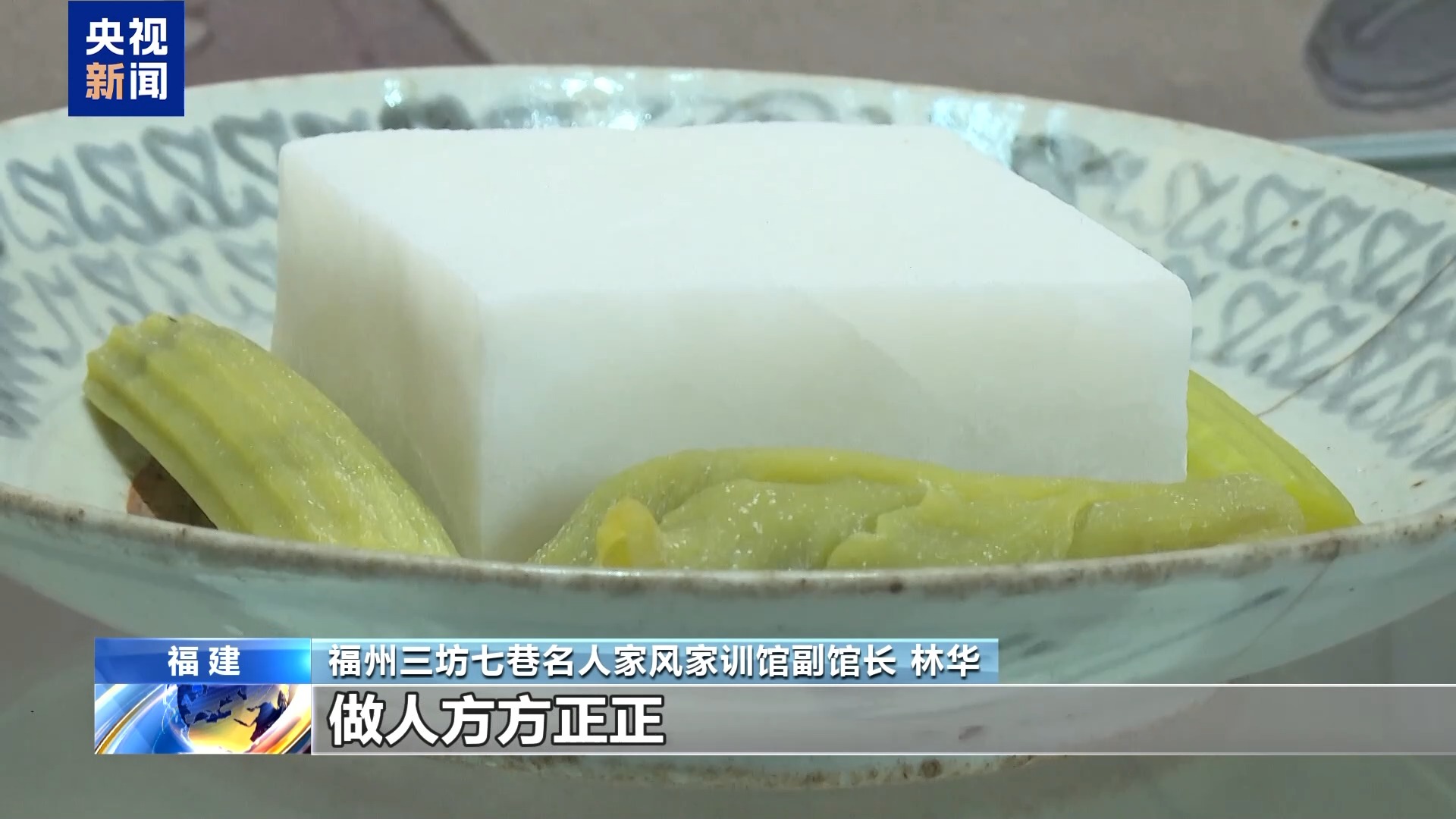
Core Viewpoint - The article emphasizes the importance of family values and teachings in Chinese culture, highlighting their role in shaping moral character and cultural identity over thousands of years [11][15]. Group 1: Historical Context - Chinese family teachings, known as "家训," originated in the pre-Qin period and matured during the Jin to Tang dynasties, flourishing in the Song and Yuan dynasties, with a history spanning thousands of years [11]. - Over 120 types of publicly published ancient family teachings have been recorded, reflecting the unique familial and national sentiments of the Chinese people [11]. Group 2: Notable Examples - The Fuzhou Mingren Family Values and Teachings Museum showcases over 50 notable figures' family teachings, including Lin Zexu's tradition of eating vegetarian stir-fried tofu on New Year's Eve, symbolizing integrity and righteousness [3][5]. - The teachings of the Su family from Meishan, which include principles such as filial piety and integrity, are rooted in Confucian culture and emphasize personal conduct and family harmony [9]. Group 3: Cultural Significance - The teachings serve not only as guidelines for individual families but also hold broader societal significance, promoting virtues that resonate with the collective cultural identity of the Chinese people [11][15]. - The "Huizhou Thousand-Year Clan Archives," recognized in the 2024 Asia-Pacific Memory of the World Register, documents the historical interactions of the Huizhou clans, emphasizing moral cultivation and the importance of family lineage [13].
门楣之上家国情(人文茶座)
Ren Min Ri Bao· 2025-04-26 21:58
Core Viewpoint - The article emphasizes the significance of traditional family values and cultural heritage as reflected in the inscriptions on door beams, which serve as a testament to the moral principles and historical legacies passed down through generations [1][2][3]. Group 1: Cultural Significance - The inscriptions on door beams encapsulate the virtues and moral teachings of ancestors, becoming a cultural gene that flows through generations [1]. - Traditional values such as "仁义礼智信" (benevolence, righteousness, propriety, wisdom, trustworthiness) have been ingrained in family character and contribute to the collective cultural identity of the nation [1][2]. Group 2: Modern Relevance - The family teachings inscribed on door beams have evolved to resonate with contemporary societal values, promoting integrity and altruism in modern contexts [2]. - Examples of families, such as the Huang family in Guangdong and the He family in Jiangsu, illustrate how traditional values continue to influence community engagement and social responsibility today [2]. Group 3: Historical Legacy - The article highlights the historical context of family values, showcasing how families have contributed to national causes, such as the Chen family in Fujian, who have a long-standing tradition of loyalty and service to the country [2][3]. - The enduring nature of these values is reflected in the commitment of descendants to uphold family honor and contribute positively to society [2].