居住舒适度

Search documents
农村老话“富不买一楼,穷不买顶楼”,这是老人家的买房之道?
Sou Hu Cai Jing· 2025-11-24 09:00
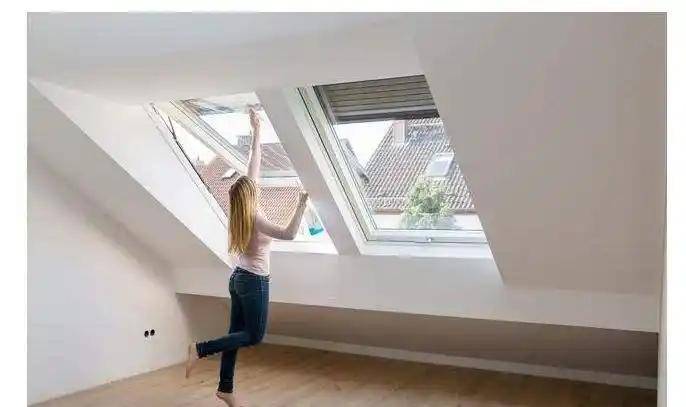
Core Viewpoint - The traditional saying "the rich do not buy the first floor, and the poor do not buy the top floor" reflects the collective wisdom of Chinese homebuyers, highlighting the advantages and disadvantages of different floor choices in the real estate market [1][3][10] Summary by Sections First Floor Considerations - The first floor offers easy access but suffers from issues like high humidity during rainy seasons, privacy concerns, and noise pollution, making it less desirable for quality living [3][6][10] - A survey indicated that 34% of older residential communities have water backflow issues on the first floor, posing a significant risk [3][6] Top Floor Considerations - The top floor provides great views and sunlight but faces challenges such as temperature extremes, increased heating costs, and potential water leakage [4][7][10] - Data shows that temperatures on the top floor can be 3-5°C lower in winter and 4-7°C higher in summer compared to standard floors, leading to higher energy consumption [4][6] Market Trends and Changing Perspectives - Modern building technologies have improved the living conditions of both first and top floors, with features like gardens for first-floor units and terraces for top-floor units increasing their appeal [7][10] - The preference for middle floors, often referred to as "golden floors," remains strong due to their balanced advantages in lighting, ventilation, and noise reduction [9][10] Family Needs and Lifestyle Factors - Family structure and lifestyle significantly influence floor choice; for instance, families with elderly or young children may prefer the first floor for convenience, while younger individuals may favor the top floor for privacy and views [9][10] - The market reflects a general preference for middle floors, aligning with the traditional wisdom that suggests avoiding the extremes of the first and top floors [9][10]

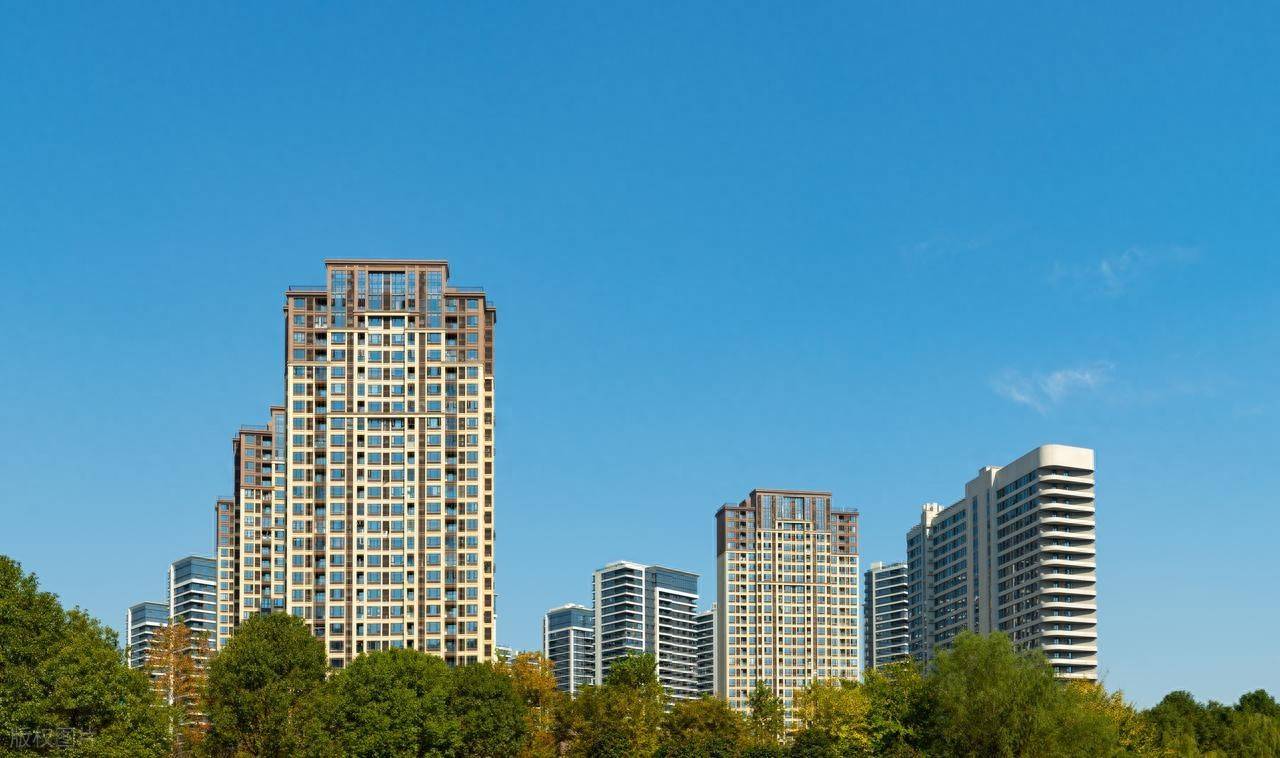
人穷买顶楼、人傻买一楼?这3个楼层才是最好的?内行:你选错了吗?
Sou Hu Cai Jing· 2025-10-29 17:42
Core Insights - The article discusses the importance of floor selection in residential buildings, highlighting the impact on living experience and satisfaction levels among homeowners [1][3][4] Summary by Sections Floor Satisfaction Rankings - According to the Ministry of Housing and Urban-Rural Development's 2025 report, the most satisfactory residential floors are 6-7, 10-12, and 3-5, while the least satisfactory are 1-2 and the top floor [1] Factors Influencing Floor Selection - **Lighting and Ventilation**: Floors 6-10 receive the most sunlight (average 6.8 hours/day) and have the best ventilation (2.3 air changes/hour), while 1-2 floors receive only 4.5 hours of sunlight [3] - **Noise Levels**: Noise levels are highest on floors 1-3 (average 68 dB), decreasing to 58 dB on floors 4-9, and below 55 dB on floors 10 and above [4] - **Energy Consumption**: Top floor residents face 30% higher heating and cooling costs compared to middle floors, while bottom floor residents incur 15% higher costs due to moisture and temperature effects [4] Safety and Accessibility - High-rise buildings (10+ floors) have a 15% lower fire rescue success rate compared to low-rise buildings, and residents on floors 7 and below can evacuate more quickly during emergencies [6] - Elderly individuals and those with mobility issues are advised to choose lower floors to reduce reliance on elevators, which have an average failure rate of 1.2 times per month [6] Psychological Factors - Residents living above the 20th floor report a 12% higher incidence of depressive symptoms compared to those on lower floors, attributed to feelings of isolation and difficulty accessing amenities [6] Ideal Floor Recommendations - **Multi-story Buildings**: Floors 3-5 are optimal for low-rise buildings without elevators, balancing comfort and accessibility [8] - **Small High-rises**: Floors 6-9 are ideal for small high-rises, avoiding noise and providing good views [10] - **High-rise Buildings**: For buildings over 20 floors, floors 10-15 are recommended for better views and air quality while avoiding high wind discomfort [12] Additional Considerations - Floor value can vary based on orientation and city location, with northern cities favoring middle floors for heating efficiency and southern cities avoiding top floors due to heat [13] - The age of the building also affects floor selection, with newer constructions offering better insulation and soundproofing [13] Conclusion - The article emphasizes that there is no universally perfect floor; the best choice depends on individual needs and circumstances, encouraging potential buyers to assess their specific requirements before making a decision [14]
2025年有一种痛苦叫买了“连廊中间户”!入住3年,太后悔了,有些话不吐不快
Sou Hu Cai Jing· 2025-08-19 05:28
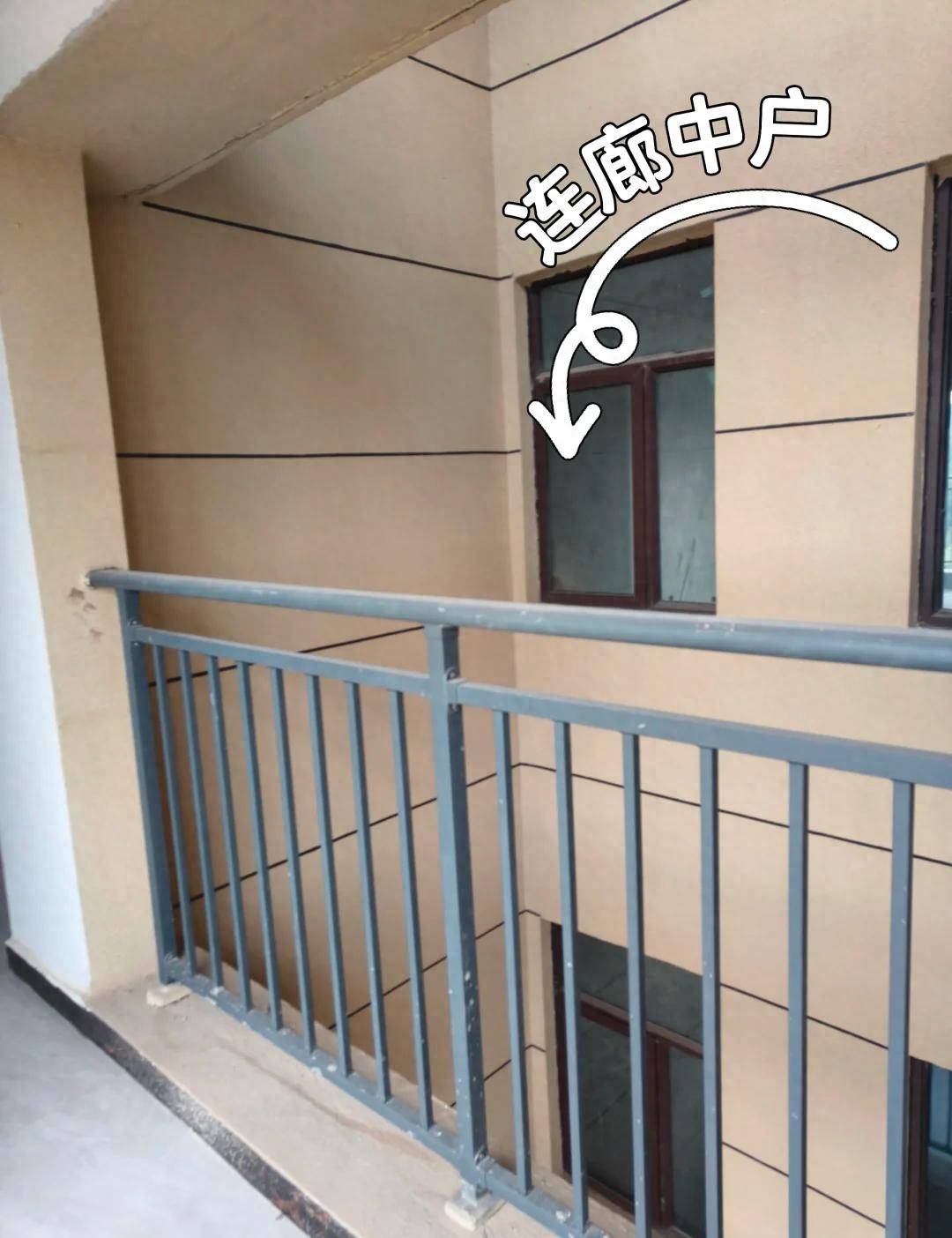
Group 1 - The core viewpoint of the article highlights the shift in homebuyers' priorities, with comfort in living conditions becoming the primary focus, leading to regrets among those who purchased middle corridor units [1] Group 2 - Middle corridor units are generally priced lower than corner units, offering better cost-performance ratios, allowing buyers to save money for renovations or furniture [4] - The layout of middle corridor units tends to be more rectangular, maximizing space utilization and facilitating easier decoration [6] - Middle corridor units are quieter due to being surrounded by other units, providing a more peaceful living environment [8] Group 3 - Regrets about moving into middle corridor units stem from safety concerns, particularly the risks associated with high corridors and inadequate protective barriers [10] - North-facing windows in middle corridor units often result in poor lighting due to obstruction from the corridor structure, affecting both light and ventilation [14] - Privacy issues arise as neighbors can easily see into kitchens and bathrooms, leading to discomfort for residents [18] - Common areas like corridors can become cluttered with personal items, creating safety hazards and reducing accessibility [24]
北区三宗优质住宅地块接连挂牌,“缺地”的房企抓紧啦!
Sou Hu Cai Jing· 2025-05-16 21:36
Core Insights - The article discusses the planned supply of residential land in Yuncheng City, with a total of 16 plots covering approximately 778 acres by 2025 [1] - Recent developments include the listing of three residential plots in the central urban area, all located in the northern district, with sizes of 24 acres, 53 acres, and 119 acres [3][4] - The largest plot of 119 acres is recognized as the most premium land, with a starting price of approximately 2.93 million per acre [4] Group 1 - The Economic Development Zone has already listed a 59-acre residential plot, with results expected soon [2] - The three newly listed plots have similar indicators, including a floor area ratio (FAR) of 2.9 and a height limit of 80 meters [4][5] - The smaller 24-acre plot has a building density of 30%, while the other two plots have a density of 20% [5][6] Group 2 - Recent trends in land listings show a significant reduction in floor area ratios to below 3.0, typically at 2.9, and a decrease in height limits from 100 meters to 80 meters, indicating improved living comfort in future developments [5] - The average size of the listed plots is around 50 acres, which may not satisfy all buyers [6] - The article emphasizes the importance of building density as a key land indicator, with lower densities allowing for more green space and better living conditions [8][10]