山寨汽车

Search documents
被曝停工停产,又一国产车企凉凉
36氪· 2025-09-04 23:57
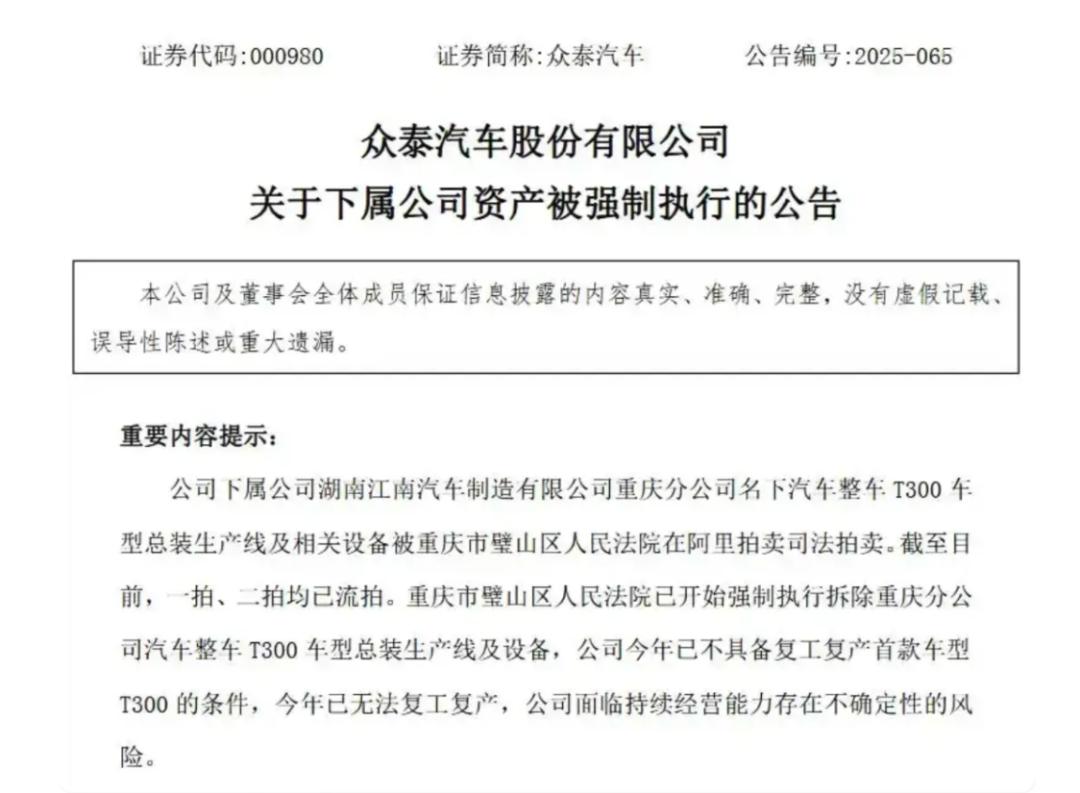
Core Viewpoint - The rise and fall of Zotye Auto exemplifies the consequences of relying on imitation rather than innovation in the automotive industry, leading to its eventual decline and potential exit from the market [3][21][24] Group 1: Company History and Strategy - Zotye Auto, originally a parts manufacturer, transitioned into vehicle production by acquiring production lines and licenses, achieving significant early success through imitation of luxury brands [11][13] - The company gained notoriety for its "high imitation" vehicles, such as the SR9, which closely resembled the Porsche Macan, leading to substantial sales and a peak market value exceeding 30 billion [9][13] - Despite initial success, Zotye's strategy of "borrowing" designs without investing in technology or service led to stagnation and quality issues as consumer expectations evolved [15][17] Group 2: Market Performance and Decline - Zotye's sales peaked at 333,100 units in 2016 but began a steep decline, with sales dropping to 231,900 in 2018 and further to 153,000 in 2019, culminating in only 14 units sold in 2024, a 98.74% year-on-year decrease [13][17][21] - The company has reported continuous net losses since 2019, with a total loss of 1 billion in the previous year, while executive compensation increased to 9.55 million, raising concerns among stakeholders [21][23] Group 3: Industry Implications - Zotye's downfall serves as a cautionary tale for other automotive companies that rely on imitation, highlighting the need for genuine innovation and adaptation to changing consumer demands [21][23][24] - The automotive industry is witnessing a shift where consumers are increasingly rejecting "borrowed" designs, indicating that the strategy of imitation is becoming less viable [23][24]


被曝停工停产,又一国产车企凉凉
3 6 Ke· 2025-09-04 00:00
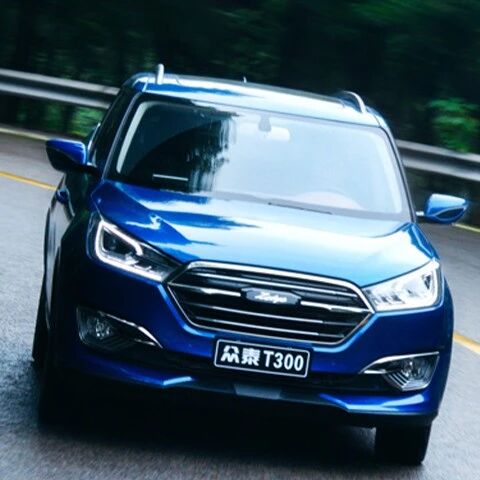
Core Viewpoint - The decline of Zotye Auto, once known as the "King of Imitation Cars," reflects the consequences of short-sighted strategies in a fiercely competitive market, where imitation does not guarantee long-term success [3][5][10]. Company History and Strategy - Zotye Auto originated from Tieniu Group, initially focusing on automotive parts before acquiring production lines and gaining manufacturing qualifications, leading to the launch of its first car, Jiangnan Aotu, in 2007 [7]. - The company gained fame by imitating luxury car models, such as the SR9, which closely resembled Porsche's Macan, allowing it to achieve significant sales and a peak market value of 30 billion yuan [5][9]. - In 2016, Zotye's annual sales reached 333,100 units, making it the ninth largest domestic brand in China [9]. Market Performance and Decline - Despite initial success, Zotye's reliance on imitation led to a lack of innovation and quality issues, resulting in a significant decline in sales: from 231,900 units in 2018 to just 14 units in 2024, a drop of 98.74% [12][15]. - The company has reported continuous net losses since 2019, with a total loss of 1 billion yuan, while executive salaries increased to 9.55 million yuan, raising concerns among stakeholders [15][16]. Industry Implications - Zotye's downfall serves as a cautionary tale for the automotive industry, highlighting that the strategy of imitation is no longer viable as consumer expectations evolve [15][16]. - The current market sentiment reflects a growing skepticism towards companies that rely on "borrowing" designs rather than investing in original development [16][17].