山水林田湖草沙生命共同体

Search documents
多方施策守护好生态系统
Jing Ji Ri Bao· 2026-02-11 21:59
Core Viewpoint - The article emphasizes the importance of integrated ecological protection and restoration efforts in China, highlighting the need for a harmonious coexistence between nature and society to achieve sustainable development and a beautiful China [1][2]. Group 1: Integrated Ecological Protection - China's approach to ecological protection involves a comprehensive system that integrates various natural elements, enhancing stability and sustainability [1][2]. - The governance model focuses on collaborative efforts across different ecological factors, moving away from isolated management to a full-chain coordination of mountains, rivers, forests, fields, lakes, grasslands, and deserts [2]. - The "Three North" project has successfully fixed 57 million acres of desertified land in 2024, showcasing the effectiveness of long-term ecological restoration efforts [2]. Group 2: International Comparison - Other countries, such as the United States and Germany, have adopted different ecological governance models, often focusing on single elements or industrial pollution, which may lack the comprehensive approach seen in China [3]. - China's unique governance model emphasizes the overall protection and systematic restoration of land, ensuring the integrity of ecosystems and the sustainability of socio-economic development [3]. Group 3: Challenges and Solutions - Despite notable achievements, challenges remain in enhancing the understanding and methods of integrated ecological protection and balancing it with high-quality economic development [4]. - There is a need for improved top-level design to address immediate ecological issues while recognizing the long-term nature of ecosystem restoration [4]. - Strengthening technical support through a unified digital monitoring platform and fostering international cooperation are essential for advancing ecological protection efforts [5].
持续深入推进生态系统优化,不断把生态优势转化为发展优势
Zhong Guo Huan Jing Bao· 2026-01-26 05:38
Core Viewpoint - The article emphasizes the importance of accelerating comprehensive green transformation in economic and social development to build a beautiful China, highlighting the need for continuous pollution prevention and ecological system optimization [1] Group 1: Ecological System Optimization - Ecological system optimization is a deepening and practical application of the concept of a life community involving mountains, rivers, forests, fields, lakes, grass, and deserts, focusing on respecting, conforming to, and protecting nature [2] - The goal is to enhance the diversity, stability, and sustainability of ecosystems, transforming ecological advantages into developmental advantages, thereby injecting green momentum into high-quality development [2] Group 2: Macro Scale Strategies - At the macro level, optimizing the spatial layout of ecosystems is essential to establish an ecological security network that aligns with national land spatial patterns [3] - Key strategies include coordinating spatial layouts, promoting high-quality development of natural protected areas, enforcing rigid ecological protection red lines, and constructing ecological corridors and networks [3] Group 3: Meso Scale Strategies - At the meso level, improving the integrity of ecosystems involves differentiated protection and restoration measures, enhancing ecosystem resilience, and increasing biodiversity levels [4] - Strategies include strict conservation in healthy ecological areas, prioritizing natural recovery in damaged areas, and optimizing biodiversity protection measures [4] Group 4: Micro Scale Strategies - At the micro level, optimizing ecosystem processes focuses on enhancing energy flow, material cycling, and information transmission within ecosystems [5] - This includes maintaining natural development processes, improving species habitat conditions, and promoting genetic exchange among species to protect genetic diversity [5] Group 5: Overall Significance - The optimization of ecosystems marks a new phase in ecological protection, addressing current ecological shortcomings and planning for long-term development [5] - It supports green transformation and the harmonious coexistence of humans and nature, enhancing ecosystem health, resilience, and service functions while establishing a robust national ecological security barrier [5]
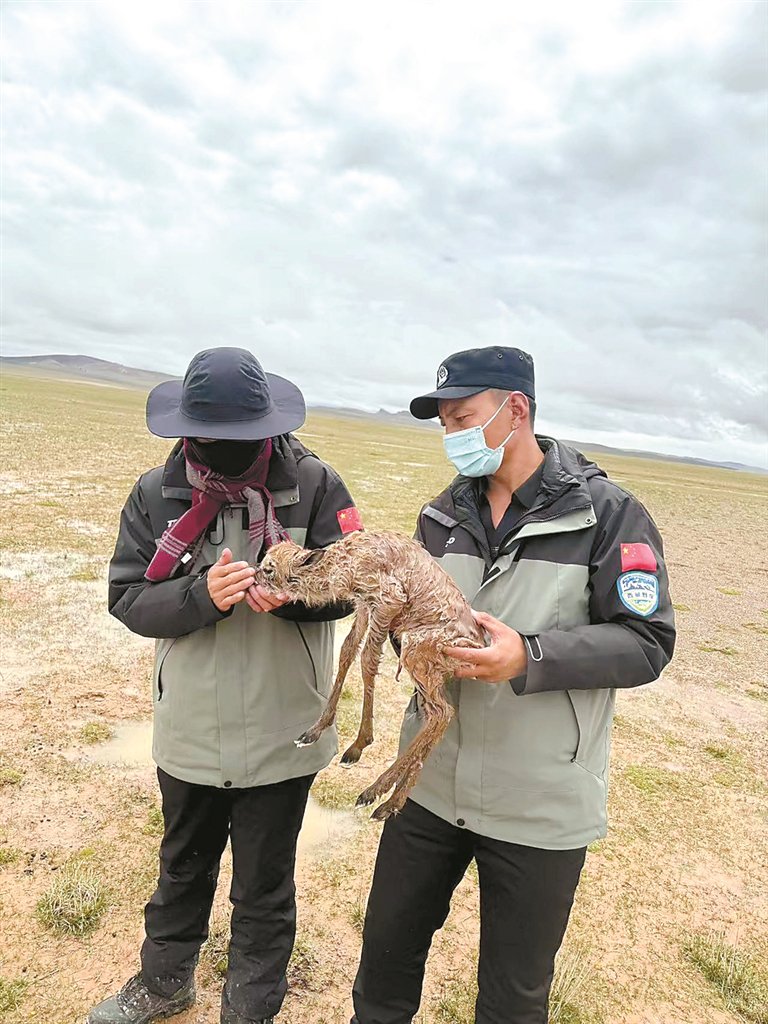
萨太尔管护站站长平措益西谈2025年收获,草原生态持续改善
Xin Lang Cai Jing· 2026-01-03 01:44
Core Viewpoint - The article highlights the successful management and ecological conservation efforts of the Satay Station in Amdo County, showcasing the dedication and teamwork of its members in protecting the environment and supporting local herders [3][5][6]. Group 1: Management and Team Structure - The Satay Station consists of 10 members, with clear roles and responsibilities, including a dedicated financial manager and skilled cooks, demonstrating effective organization in a remote area [4]. - Each member contributes 600 yuan monthly for living expenses, and the station purchases livestock from local herders, fostering a supportive relationship with the community [5]. Group 2: Ecological Conservation Efforts - The station has successfully prevented any fire incidents in the grasslands, emphasizing the importance of vigilance against both human-caused and natural fires [5]. - The overall health of the grasslands has improved, with increased vegetation and wildlife presence, attributed to the relocation of the community and proactive environmental management [6]. Group 3: Community and Personal Reflections - The article reflects on the personal growth and satisfaction of the station's members, who find joy in their work and the improvements in their living conditions, symbolizing a deeper connection to their environment [6].

自然资源支撑力有力,山东“十四五”海洋经济总量稳居全国前二
Feng Huang Wang Cai Jing· 2025-12-10 08:04
Core Viewpoint - The harmonious coexistence of humans and nature is a key feature and essential requirement of Chinese-style modernization, with Shandong's natural resource work providing strong support for the province's green, low-carbon, and high-quality development during the 14th Five-Year Plan period [1] Group 1: Sustainable Development Initiatives - Shandong has advanced the "multi-planning integration" reform, creating a sustainable development "spatial blueprint" that integrates various planning types [1] - The province has initiated the "three zones and three lines" delineation pilot, covering 54.5% of the land area with permanent basic farmland, ecological protection red lines, and urban development boundaries [1] - A comprehensive "four-level three-type" land spatial planning system has been established, ensuring a more rational layout of urban, agricultural, and ecological spaces [2] Group 2: Economic and Infrastructure Development - Since the 14th Five-Year Plan, Shandong has approved 2.086 million acres of construction land and 245,000 acres of industrial sea use, supporting major infrastructure projects [3] - The marine production value has increased from 1.3 trillion yuan in 2020 to 1.8 trillion yuan in 2024, contributing 23.9% to the province's economic growth [3] Group 3: Environmental Protection and Resource Management - Shandong has implemented a "three-in-one" protection strategy for arable land, quality, and ecology, maintaining stable forest coverage and reducing desertification [4] - The province has restored 900,000 acres of wetlands and 66.9 kilometers of coastline, and has made significant progress in ecological protection and restoration projects [4] - The government has promoted efficient land use, with a 20.4% decrease in construction land use per unit of GDP since the 14th Five-Year Plan [5] Group 4: Governance and Community Engagement - Shandong has enhanced its natural resource governance capabilities, ensuring the protection of citizens' rights and interests through unified land rights registration and management [5] - The province has shifted its regulatory approach towards prevention and strict enforcement, aiming for comprehensive management across all stages [5] Group 5: Future Development Plans - The recent provincial party congress has outlined a promising blueprint for Shandong's development over the next five years, focusing on high-quality growth and new contributions to modernization [6]
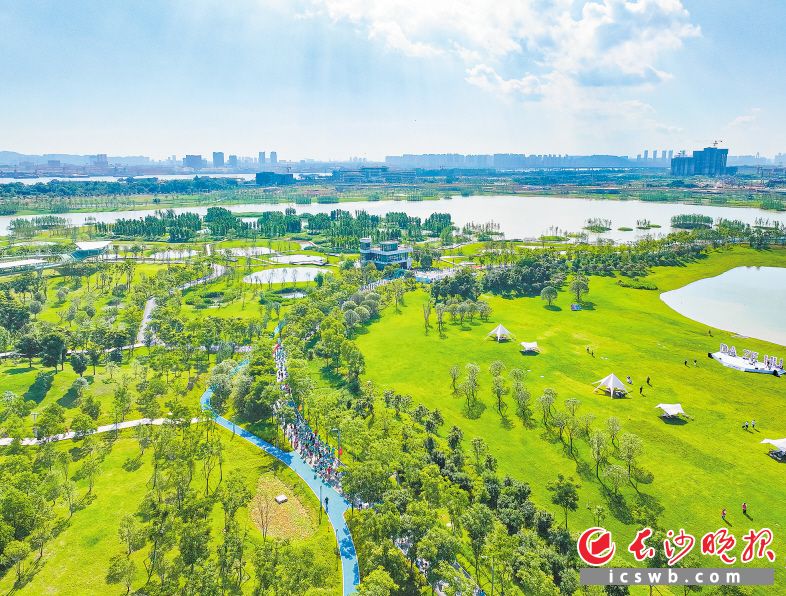
长沙大力践行山水林田湖草沙生命共同体理念,生态底色更加鲜亮
Chang Sha Wan Bao· 2025-08-16 03:10
Group 1 - The article emphasizes the importance of ecological restoration and sustainable development in Changsha, highlighting the transformation of urban spaces into green areas and the integration of nature into city planning [2][3][4] - The "Green Water and Green Mountains are Golden Mountains and Silver Mountains" concept is being actively implemented in Changsha, promoting ecological safety and enhancing the city's natural beauty [2][4] - The overall spatial planning for Changsha, approved by the State Council, outlines a clear blueprint for future urban development, focusing on ecological protection and restoration [3][4] Group 2 - The ecological protection red line in Changsha covers 783.82 square kilometers, primarily in the eastern and northern regions, establishing a secure ecological framework for the city [4] - The article details the successful ecological restoration of the Jin Qiao Phosphate Mine, which has transformed from a damaged site into a green area with a 90% reclamation rate and the planting of 6,800 trees [5][6] - Changsha has completed the ecological restoration of 217.02 hectares of historical abandoned mines and 107.61 hectares of mines with responsible parties, achieving full coverage of green mine creation [6] Group 3 - The article highlights the integration of ecological restoration with tourism and cultural landscapes, exemplified by the construction of the world's largest deep pit amusement park, which has generated significant economic benefits [8] - The successful case studies of ecological product value realization in Changsha serve as replicable models for other regions, showcasing the potential for economic growth through ecological restoration [8] - The local government is committed to enhancing the planning and management of natural resources, aiming to improve the ecological environment and the quality of life for residents [9]