工业文明

Search documents
追悼那个年代工业文明的人性扭曲
Xin Lang Cai Jing· 2026-02-20 21:44
Core Viewpoint - The novel "Good Weather" by Su Tong serves as a reflection and critique of the industrial civilization's impact on Chinese society, particularly highlighting the disconnection between urban and rural experiences during a specific historical period [6][9]. Summary by Relevant Sections Historical Context - The narrative is set during a time when the West was experiencing an ecological revolution, while China remained unaware, still celebrating the remnants of the Great Leap Forward [6][7]. - The novel contrasts the pride associated with industrial symbols, such as the tall smokestacks in Shanghai, with the environmental degradation they represent [7]. Themes and Analysis - The title "Good Weather" is interpreted as a metaphor for the underlying negative realities of the time, suggesting that what is perceived as good may actually be harmful [4][9]. - The novel explores the dichotomy between urban and rural life, using the smokestacks as a boundary that symbolizes social and environmental disparities [7][9]. - It critiques the lack of awareness among people living in industrialized areas regarding the detrimental effects of pollution, which they mistakenly associate with progress and prosperity [9][10]. Literary Contribution - "Good Weather" is noted as the first significant literary work in contemporary Chinese literature to reflect on the disasters brought by industrial civilization, emphasizing the human cost of such progress [9][10]. - The author employs artistic transformation and metaphors to question human nature and the relationship between people and their environment, revealing deeper philosophical insights [9][10].


吉林长春:“星星去哪儿”带领特殊儿童走进一汽工业文旅
Huan Qiu Wang· 2025-06-24 10:11
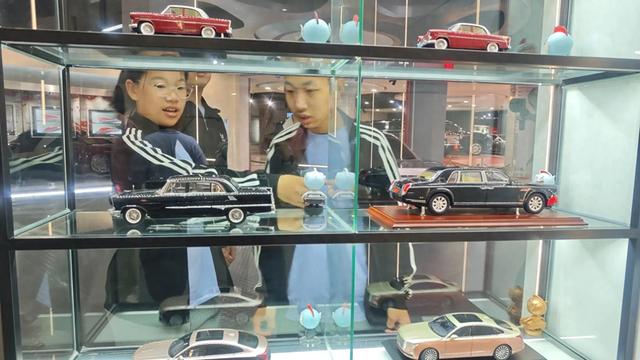
Group 1 - The event "Red Flag Original Intention, Star Language Together - Where Are the Stars Going" was a public welfare activity aimed at introducing children with autism to the automotive industry and technology [3] - Over 20 children from Changchun Xingyan Tongyu Special Education School participated in the event, exploring the Red Flag Cultural Museum and the Red Flag Prosperity Factory [3] - The museum showcased the history of the Red Flag brand, highlighting its evolution from historical vehicles to new energy models, instilling a sense of courage in the children [3][5] Group 2 - The children were introduced to the highly automated production environment at the Red Flag Prosperity Factory, where a vehicle is produced every 54 seconds, showcasing the power of precision and persistence [3] - Observations from teachers indicated a positive change in the children's behavior, as they became more engaged and curious about their surroundings during the visit [5] - The event aimed to plant seeds of care and legacy in the children, fostering a connection between them and the craftsmanship of the automotive industry [5]

为什么要做文旅?为什么不能一直做文旅?
创业邦· 2025-06-22 03:01
Core Viewpoint - The article discusses the unique case of Liuba County in Shaanxi Province, which has experienced a reversal of urbanization trends through the development of its tourism and cultural industries, leading to population inflow and economic growth [4][22]. Summary by Sections Background of Liuba County - Liuba County is characterized by its ecological advantages, with a forest coverage rate of 92.03%, but it faces challenges such as a small population of 34,500 and limited financial resources primarily reliant on state transfers [5][6]. Population Trends - Since 2021, the outflow of population has significantly halted, with a net inflow of talent and workers returning to the county, totaling 2,142 individuals from various backgrounds [8]. Tourism Development Strategy - The county's leadership recognized the need to transition from traditional tourism to modern cultural tourism, leading to the introduction of the boutique homestay brand "Yinju Xiangli" in 2019, which transformed local accommodations and attracted urban visitors [10][11]. Economic Impact - During peak seasons, the county sees daily visitor numbers reaching 50,000, with average spending exceeding 800 yuan per person, significantly boosting local businesses [13][19]. Community Empowerment - The local government initiated the "Four One Hundred" project to support entrepreneurship among residents, resulting in the establishment of 200 homestays and an overall investment of 200 million yuan, generating over 1 billion yuan in annual revenue from the homestay sector [19][21]. Integration of Industries - Liuba County's approach emphasizes the integration of tourism with local agricultural and ecological products, creating a sustainable economic model that benefits the community and preserves local culture [27][30]. Future Outlook - The county's GDP reached 2.679 billion yuan in 2024, with a per capita GDP of 77,700 yuan, positioning it as a leader in the region and showcasing the success of its reverse urbanization strategy [21][22].